The Story
Why it exists.
The beginning
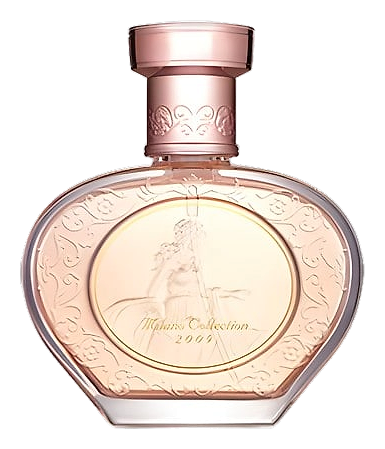
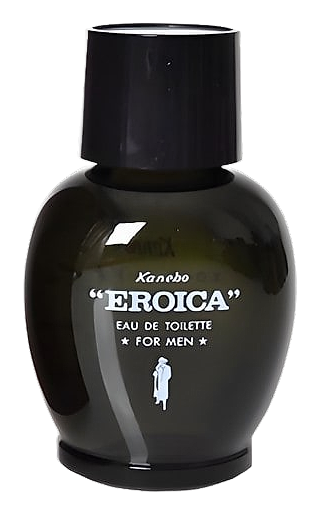
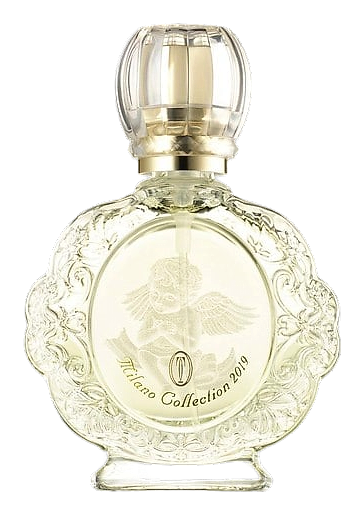
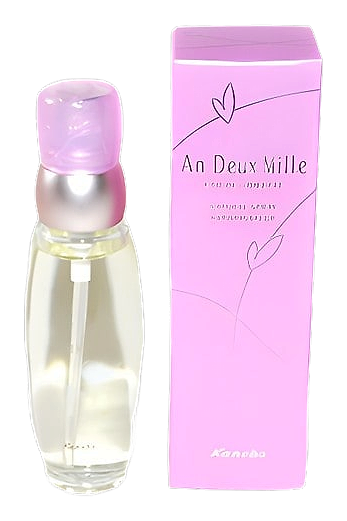
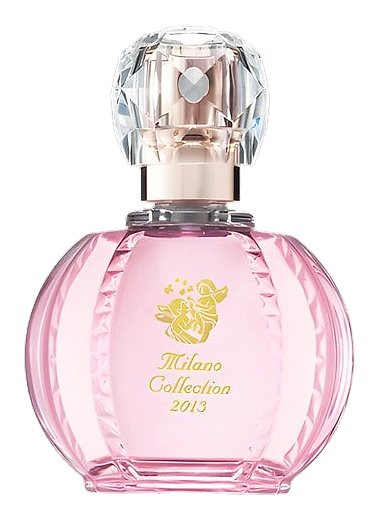
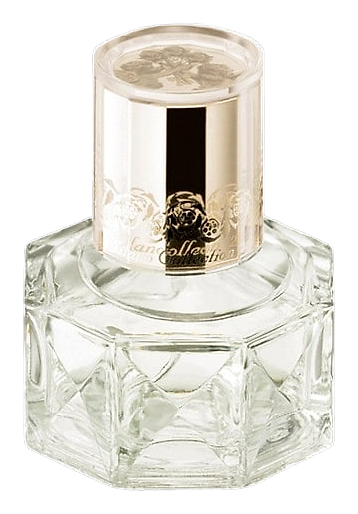
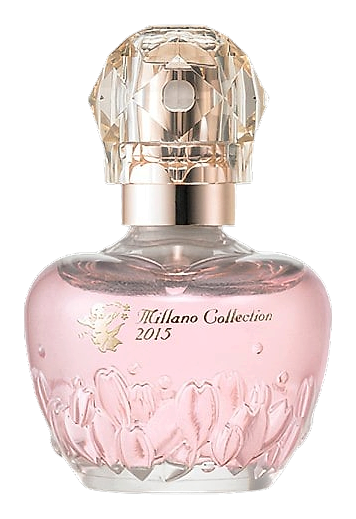
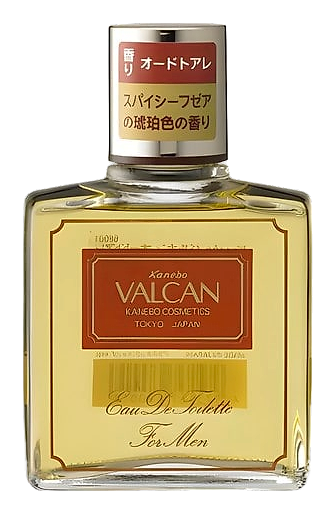
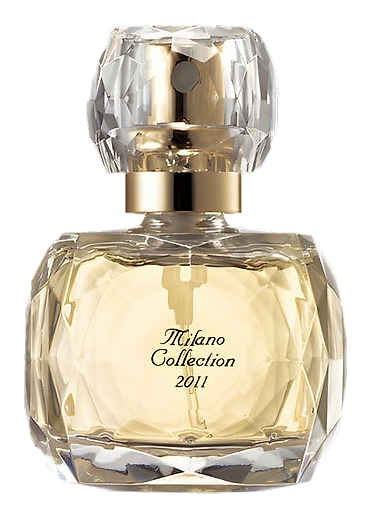
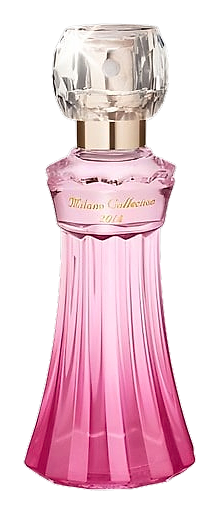
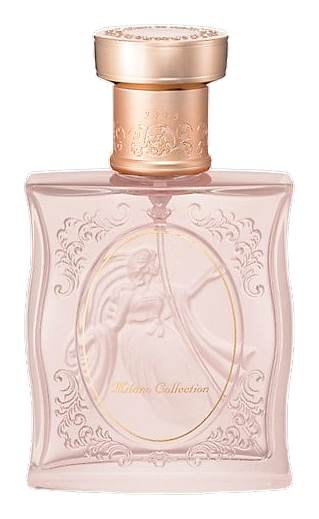
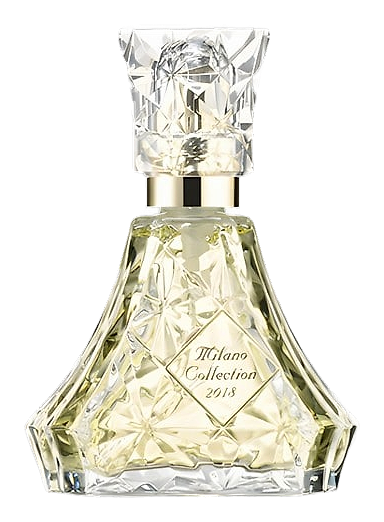
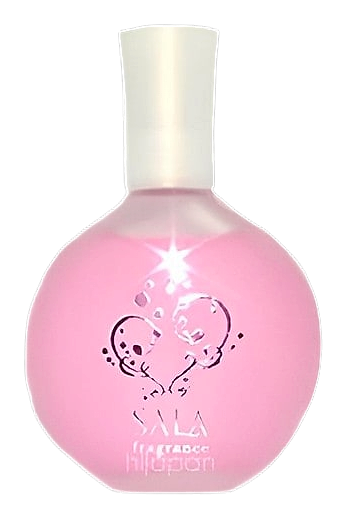
Sala arrived in 2009 from Kanebo. By the time Sala debuted, the brand had already built a portfolio that included Kyoto, Eroica, and the Milano Collection series. Sala sits within that catalogue, a compact composition released as a women's fragrance. The production has since been discontinued, which lends the fragrance a kind of quiet afterlife, still drifting through vintage bottles and private collections where it survives more as rumour than as current availability. There's a particular mood that surrounds a discontinued release like Sala, something between presence and absence. The juice hasn't changed. The formula sits exactly where it sat the day it left official circulation, sealed in glass, waiting. What's shifted is the context around it.
What's striking about Sala is how deliberately narrow it is. Three structural layers, nothing more: fruits at the top, Damask rose at the heart, ambergris at the base. Most compositions this stripped-down rely on sheer material quality to carry the weight, and Kanebo appears to have understood that. The Damask rose is the spine here, a flower with presence, capable of holding attention through hours of wear without the crutch of supporting complexity. The fruit opening reads almost like a softening gesture, bringing sweetness into the upper register before the rose arrives.
The evolution
Sala opens with that fruit note, and on first spray it reads almost like a chilled dessert, bright, slightly syrupy, nowhere near as sugary as it sounds. There's a juiciness there, but it's cool and restrained, nothing tropical or loud. The fruit phase runs through the opening minutes, present without becoming insistent, a sweetness that frames itself against the cooler air around it. Then the Damask rose arrives, and it doesn't tiptoe in. It takes over the composition completely, pushing the fruit back until it becomes a supporting hum rather than the headline. The rose phase is where Sala lives for most of its lifespan, dense, slightly waxy, with that classic Damask pepperiness showing up around the edges. It's not a green rose, not a jammy rose, something closer to a rose pressed between old pages.
Cultural impact
Sala represents the quieter end of Kanebo's catalogue, a composition released as a women's fragrance in 2009 and later discontinued. It appeals to a specific kind of wearer, someone drawn to density over decoration, who prefers a rose that reads salted rather than sugared. The fragrance's structure, just three layers with the Damask rose at the centre, gives it a kind of architectural clarity that more elaborate compositions tend to obscure.