The Story
Why it exists.
The beginning
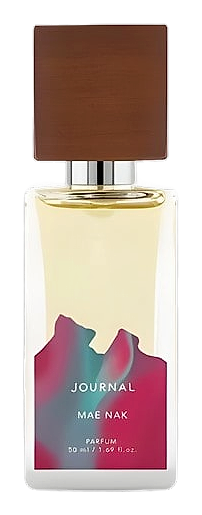
Mae Nak takes its name from one of Thailand's most enduring ghost stories, a woman who loved so deeply she refused to stop loving, even after death. She's the spirit who waits, who remembers, who reaches through the wall between living and gone. Mae Nak reads like a page torn from the most romantic chapter of that legend. The perfume treats scent as a way to enter her story, and what emerges is something closer to devotion than dread. Each note bends toward the idea of a love that persists past its own ending. Not a horror story. A love letter, written in smoke and white flowers, that refuses to close. The composition holds that contradiction gently, never tipping into spectacle. There's grief in it, yes, but the kind that wears perfume because it still wants to be noticed.
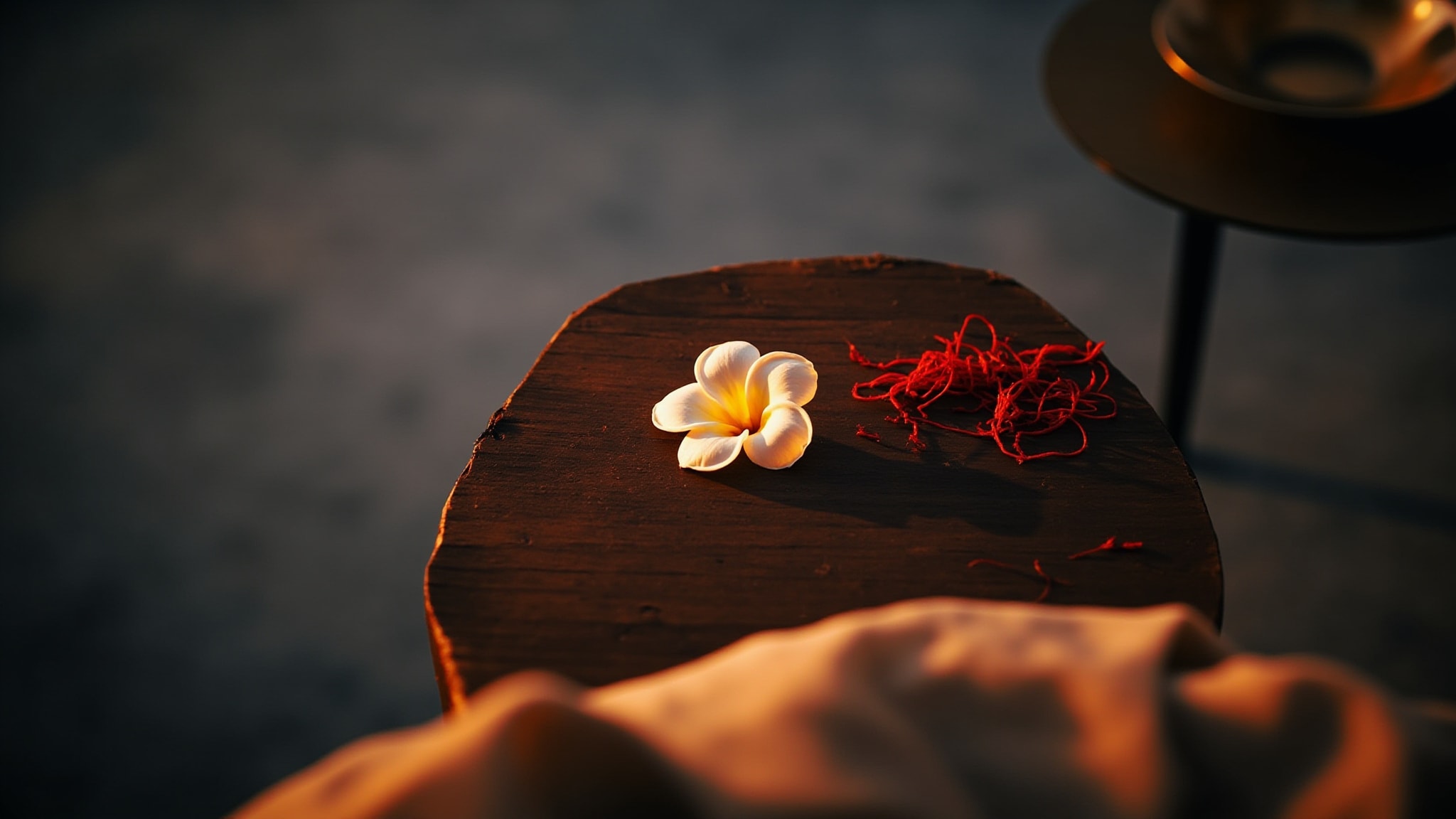
What makes this composition work is the tension between devotion and decay, and you can feel it in how the notes refuse to settle. The opening pulls you toward the living world with lemon brightness and rose sweetness, but the champa and frangipani drag the scent toward something ceremonial, something offered and left burning. The heart, where juniper and geranium and patchouli meet, acts as a threshold you cross without realizing. Neither fully alive nor fully gone.
The evolution
The first ten minutes are almost disorienting in their freshness. Lemon cuts sharp at the very top, almost citrus-peel bright, and the rose opens sweet and dewy beside it, like two old friends arriving at the same moment. Then the champa flower lands and brings a creamy, almost banana-like warmth that feels tropical before it feels anything else. This is the living Mae Nak, the one who still believes in sunlight. The frangipani thickens quickly, adding a waxy, sun-warmed weight that pushes the composition somewhere between a garden and a shrine. Juniper arrives next with a clean, almost medicinal clarity, and the geranium layers in a green rosiness that makes the whole thing feel like walking through wet petals after a rain has just passed. Patchouli grounds it, but softly, not aggressively, more like distant soil than turned earth.
Cultural impact
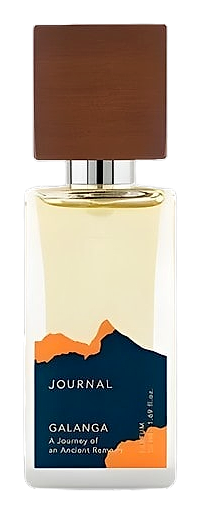
Mae Nak takes one of Thailand's most recognizable ghost stories, a woman who loved so deeply she couldn't leave, and translates her into scent rather than spectacle. The reading leans love story over horror, which is unusual for a spirit this famous. Perfume communities tracking Southeast Asian niche perfumery have noted the composition's resemblance to another Journal release, Galanga, with sources listing an 85% similarity score between the two. The connection makes sense given the shared use of champa and Siam benzoin, both ingredients with deep ceremonial weight in Thailand.