The Story
Why it exists.
The beginning
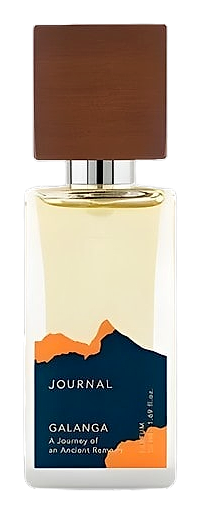
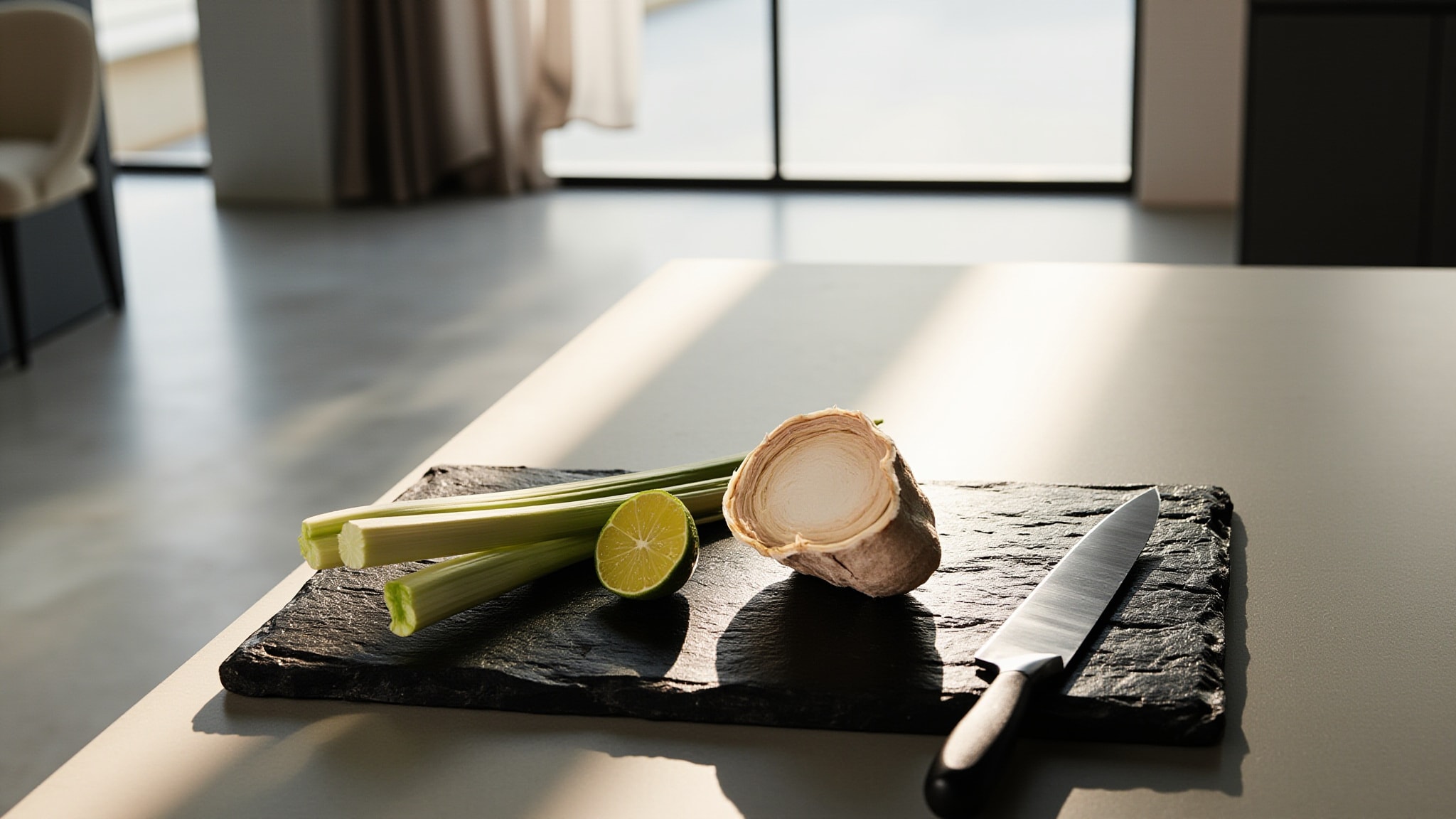
Galanga launched in 2020, and the name cuts straight to the point. Galangal is the rhizome that anchors Thai soups, the sharp root that hits you before the coconut milk mellows everything out. Lemongrass, lime, Thai ginger, verbena, an opening built to translate the first inhale over a steaming pot on a Bangkok stove. This isn't abstracted 'spice' or vaguely 'green' perfumery. It's a specific root, named outright, built to smell like something you'd actually cook with. The composition reads as culinary from the first contact with skin, that lifted almost-green citrus that Thai cooking has and most perfumery only approximates. Lemongrass gives the grassy snap, lime cuts through with a sour brightness that feels closer to a knife hitting a cutting board than a garnished glass.
The interesting part sits in how the composition behaves after that kitchen-snap opening. Most citrus-spice fragrances give you brightness and then vanish, or they pivot into a thick amber wall. Galanga does neither. Juniper and lavender take the sharpness and round the edges just enough to let benzoin, frankincense, oud, and saffron come through as incense smoke, not as weight. The oud here is quiet, almost structural, the kind that reads as wood rather than anything louder.
The evolution
The opening is all snap. Lemongrass and lime hit fast, that lifted almost-green citrus that Thai cooking has and most perfumery fakes. Thai ginger and verbena warm it slightly, add herbal bitterness that reads less like a spa and more like the edge of a cutting board. The ginger settles into something earthier as the composition moves forward, the way cooked galangal does when the broth turns cloudy. The sharp citrus pulls back, and juniper arrives with a piney coolness that feels like stepping out of the kitchen into the street. Lavender threads through, soft and slightly medicinal, adding the floral register that keeps this from being purely aromatic. The middle phase is the most balanced, herbal and fresh with a quiet resinous warmth building underneath. Eventually, benzoin and frankincense arrive together.
Cultural impact
Wearers describe the drydown as quieter and more contemplative than the sharp opening suggests, which makes it an unusual choice for someone who wants their perfume to do different things across a single day. It reads less like a fragrance about Thailand and more like a field report from a specific morning in a Bangkok market. The opening lands in a working kitchen, all citrus snap and herbal heat, and the closing lands in incense and resin, a thread of benzoin sweetness running underneath drier frankincense. That arc, from kitchen to temple, is what gives the composition its shape.