The Story
Why it exists.
The beginning
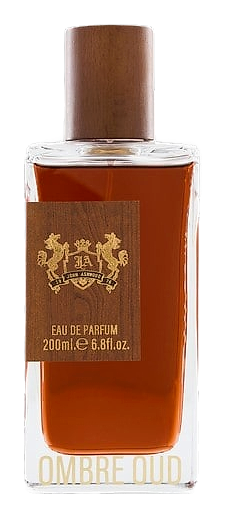
Ombre Oud arrived in 2024 as part of John Ashwood's Heritage Collection. The name itself points at a central tension. Ombre, a French word for shadow, paired with Oud, the resinous material most associated with Middle Eastern fragrance traditions. A deliberate collision of reference points, pulling classical European perfumery vocabulary into compositions that feel grounded in their own internal logic. On first spray, the opening reads as bright and fruit-leaning. Peach and apple give it a fleshy, almost nectar-like sweetness, while bergamot lifts the whole arrangement with a clean, slightly bitter citrus edge. There's no sharpness here, no single note shouting over the others.
What makes Ombre Oud structurally interesting is its restraint with the oud note itself. The pyramid leans on peach, apple, and bergamot at the top, jasmine sambac and cedarwood in the heart, and vanilla, amber, and iris at the base. The oud influence shows up in the woody-noted depth of the heart and the resinous warmth of the drydown, but it's never named outright. Instead, the composition reads as a study in layered depth, where the oud character arrives through the surrounding materials rather than being declared in the formula.
The evolution
The first twenty minutes are the loudest this fragrance ever gets. Bergamot and orange hit bright, with peach and apple giving it a bruised-fruit sweetness that reads almost like biting into a ripe stone fruit in warm weather. There's a fizzy quality, almost sherbet-like, that announces itself without shouting. By the thirty-minute point, jasmine sambac has settled in alongside cedarwood, and the anise begins its quiet work in the background, adding a green-cool edge that keeps the florals from going powdery. The transition from top to heart is smooth, almost seamless, like watching daylight shift without noticing the exact instant it happened. Once past the two-hour mark, the composition moves firmly into its base. Vanilla and amber take over, with iris powdering everything softly on top. The fruit is gone, the citrus is a memory, and what remains is a warm, slightly sweet, woody-creamy scent that sits close to skin.
Cultural impact
Ombre Oud reflects a wider conversation happening in contemporary perfumery around how classical materials get reconsidered for modern wearers. Rather than presenting a straightforward reading of its central notes, the composition layers peach, apple, and bergamot over jasmine sambac and cedarwood, then grounds everything in a base of vanilla, amber, and iris. The result is a fragrance that bridges categories, fruit-forward enough to feel approachable in casual settings, yet structured enough through its woody and ambery foundation to carry weight in more formal contexts.