The Story
Why it exists.
The beginning
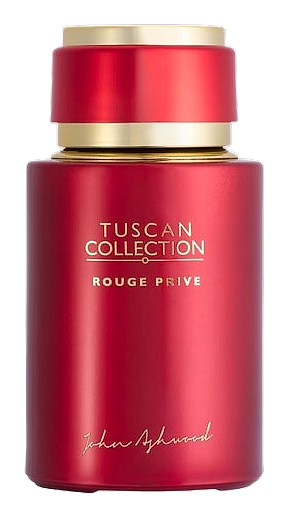
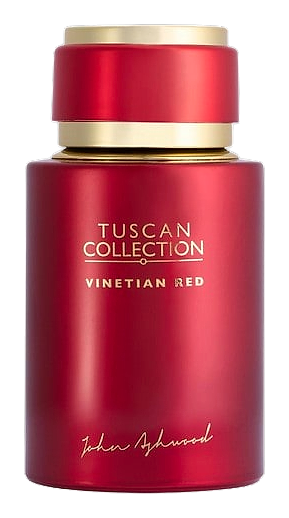
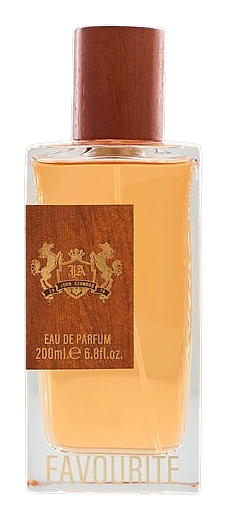
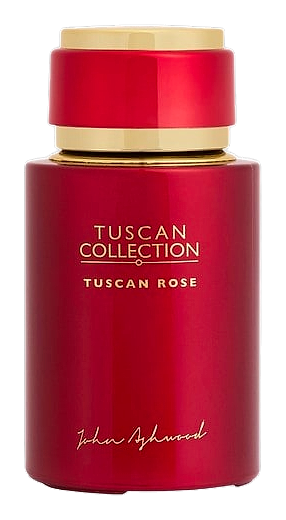
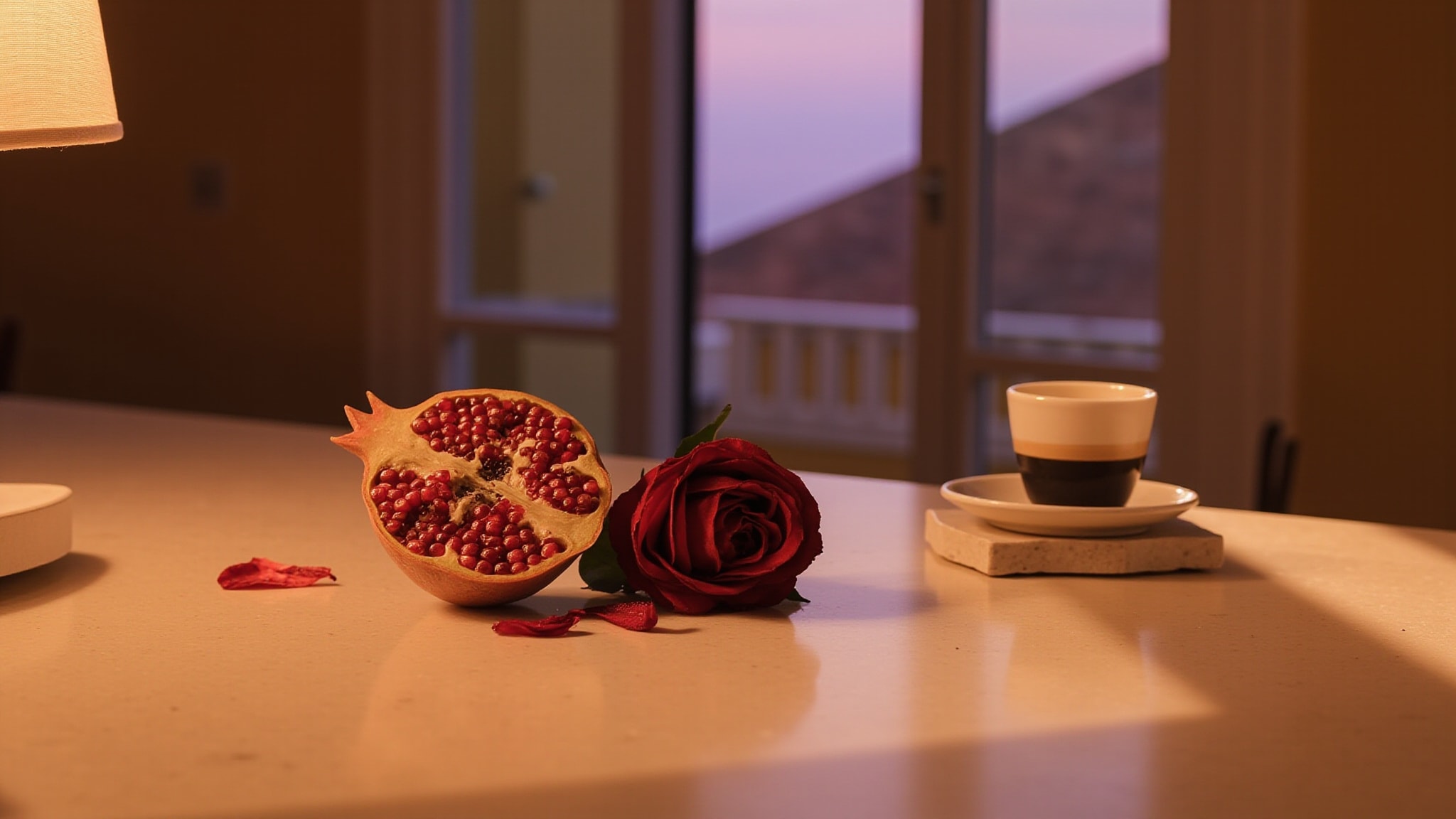
Tuscan Rose joined the John Ashwood catalog in 2023, part of a collection organized around geographic place names and the visual language of specific landscapes. Rose was an obvious anchor for a line like this, the flower reads as the first reference point for anything Italian and floral. But the brand made a specific choice in the opening: pomegranate rather than citrus. That fruit note gives the composition a slightly tart first impression, leaning juicy and seed-skin dense rather than the easy brightness a bergamot-led rose would offer. The pomegranate sits heavy at first, almost wine-like, then it starts to soften as the rose layers in underneath. What emerges over those early minutes feels less like a postcard and more like a mood sketch.
What makes this composition worth a second look is the interplay between the rose, violet, and ylang-ylang in the heart. Rose and violet share a powdery softness that, on its own, can drift toward soapy territory. Ylang-ylang pulls against that. It carries a creamy, almost banana-like sweetness that pushes the heart somewhere more indulgent, warmer, more lived-in. The three together read less like a clean floral bouquet and more like something older, slightly sun-warmed and dense.
The evolution
The first twenty minutes belong to pomegranate. It arrives with a tart, almost wine-like brightness, the kind of fruit note that reads as crushed seeds and skin rather than juice. Beneath it, the rose starts layering in, still light and slightly dewy at this stage. The two notes sit side by side rather than blending, and for those opening minutes the scent reads almost like a fruit salad with rose petals dropped on top. By the thirty-minute mark, the violet and ylang-ylang take over, and the scent shifts from fruity-floral to something more powdery and diffuse. The ylang-ylang brings a creamy warmth that smooths the violet's sharper edges, and the whole heart reads soft and slightly golden.
Cultural impact
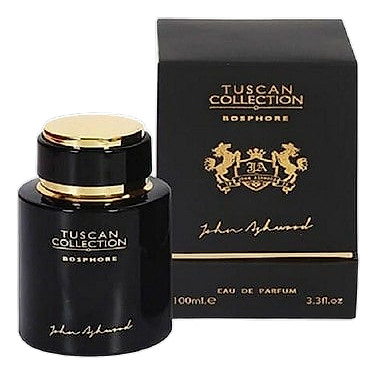
Tuscan Rose arrived in 2023 as part of John Ashwood's place-named collection, joining siblings like Bosphore and Via Veneto in a portfolio of geographic titles. The name itself carries obvious visual weight: rolling hills, ripe fruit, old stone walls, the kind of Italian countryside shorthand that's become shorthand in scent marketing. Pomegranate and rose have long shared an association with the region, both ingredients appearing frequently in Mediterranean gardens and kitchen tables, and the composition brings them together through a similar sensory lens.