
The Story
Why it exists.
The beginning
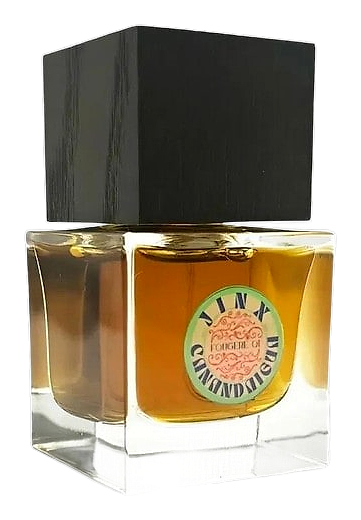
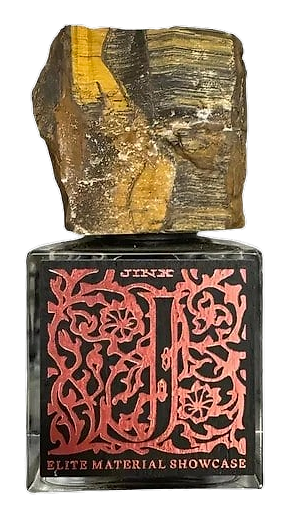
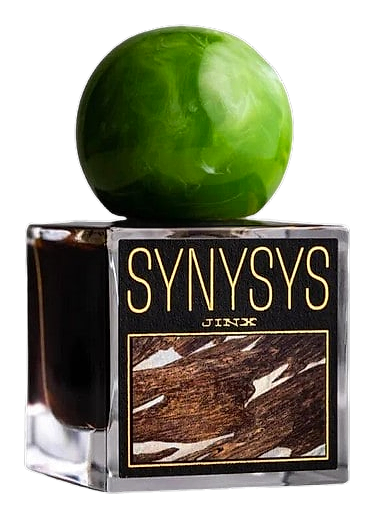
Synysys arrived in 2024 from Arthur Clayton Emrick, the nose behind Jinx Smells, a small house based in upstate New York. Where most compositions lean into sweetness or dense florals, Synysys tilts toward something almost astringent, a sour-green character that comes from betel leaf and galbanum meeting over a base of Vietnamese oud and spikenard. It's part of Collection 2, a numbered drop from the brand's output. The composition is built entirely from natural raw materials, consistent with the house's approach of avoiding aroma chemicals in their formulations. The fragrance was reportedly discontinued after release, which makes remaining bottles less a product and more an artifact. Community members have rated it, and the scent rating sits at 9.3. Rare. Quiet. Unhurried.
The structural choice here is unusual: a green-leaning aromatic at the top that refuses to sweeten into the resin and oud below. Shamama attar, a traditional Indian-style compound built around herbs, flowers, and aged woods, does the bridging work, carrying the betel leaf's bite toward something warmer without losing its grip. Two teas, green and black, alongside maté, add a tannic, almost fermented bitterness to the heart. That's a deliberate tension. Most oud fragrances lean either fruity-sweet or deeply animalic, and this one chooses a third lane: vegetal, resinous, dry.
The evolution
The opening is bright, almost confrontational. Betel leaf and galbanum hit with a green sharpness, sharpened by sugar that barely registers until you notice it's smoothing the edges. Orange blossom flits in and out, a brief floral gesture that doesn't overstay. As the composition shifts register, the heart takes over. Green tea and black tea arrive with a tannic, slightly bitter weight. The shamama attar adds a resinous warmth that feels ancient. Maté contributes a roasted, herbaceous undertone. The galbanum recedes but doesn't vanish, leaving a green thread that runs all the way to the base. Eventually the base fully claims the skin. Vietnamese oud and spikenard settle into a close, dark warmth, more rooty than barnyard, with musk threading through for skin-soft lift. Vetiver grounds everything, adding a final earthy hum.
Cultural impact
Betel leaf carries deep ceremonial weight across South and Southeast Asia, where chewing paan signals hospitality, celebration, and social ritual. It shows up in offerings, in shared gatherings, in the small rituals that mark a meal or a meeting. The leaf has a sharp, almost mentholated bite, greener than people expect on first encounter, and it leaves a cooling trail across the palate. Orange blossom adds a different register entirely, a sweet, almost solar floral that softens the leaf's astringency when the two appear together in a composition.