The Story
Why it exists.
The beginning
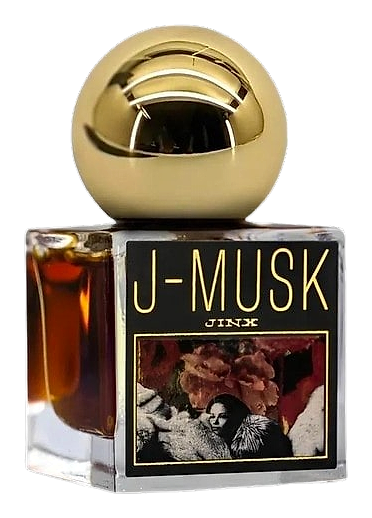
Arthur Clayton Emrick named it for exactly what it is. V4 because it's the fourth pass at a formula, Tuberose de Mai because tuberose appears in the composition, and Animal Party, says what needs saying about the base. Emrick runs Jinx Smells with a reputation for working with materials most perfumers avoid. Deer musk, oud, civet, castoreum, hyraceum, muskrat. These are the kinds of inputs that make mainstream perfumery nervous, and Emrick uses them without apology. Forty bottles. That's the production run. Each one represents a deliberate choice to make something small rather than something scalable. Not a release for everyone, a release for the few who know what to do with it. The scarcity isn't marketing.
Most fragrances built around animalic bases treat them as a whisper underneath polite florals. Emrick flipped that hierarchy. The heart here is substantial, blue lotus, jasmine sambac, three different roses, and tuberose at the center, but it's never the headline. Musk and oud are. That's the gamble, and it pays off because the florals refuse to behave like background. Carnation brings its clove-spice warmth, orris adds a powdery shadow, palo santo drops a faintly smoky incense note. The pineapple-palisander opening is a red herring. Bright, almost tropical, gone before the second hour.
The evolution
The first thirty minutes are bright and almost friendly. Pineapple and citrus over palisander rosewood, a moment of near-optimism, like sunlight through a window. Then the flowers arrive in force, and the mood shifts. Not because the roses soften. Because the animalics underneath them start climbing up through the petals. By the third hour, the composition has settled into its true register. Tuberose holds its narcotic sweetness against the musk. Civet adds a fecal warmth that reads as skin-deep. Castoreum brings leather. Deer musk goes deep, almost urinary at full strength, then sweetens as it warms. White ambergris smooths the edges. The ouds sit underneath everything, not loud, but structural, woody and slightly barnyard. By hour six, you're in the drydown and the florals have mostly surrendered.
Cultural impact
Forty bottles made. That's the production run, and it frames everything about how this fragrance sits in the wider world. The output is deliberately small, a choice that says more about the materials and the process than any marketing claim could. Each release is an argument for what perfumery can still be when the constraints are real: limited raw materials, expensive inputs, and a perfumer willing to let the musk and civet and oud do what they actually do.