Muskrat
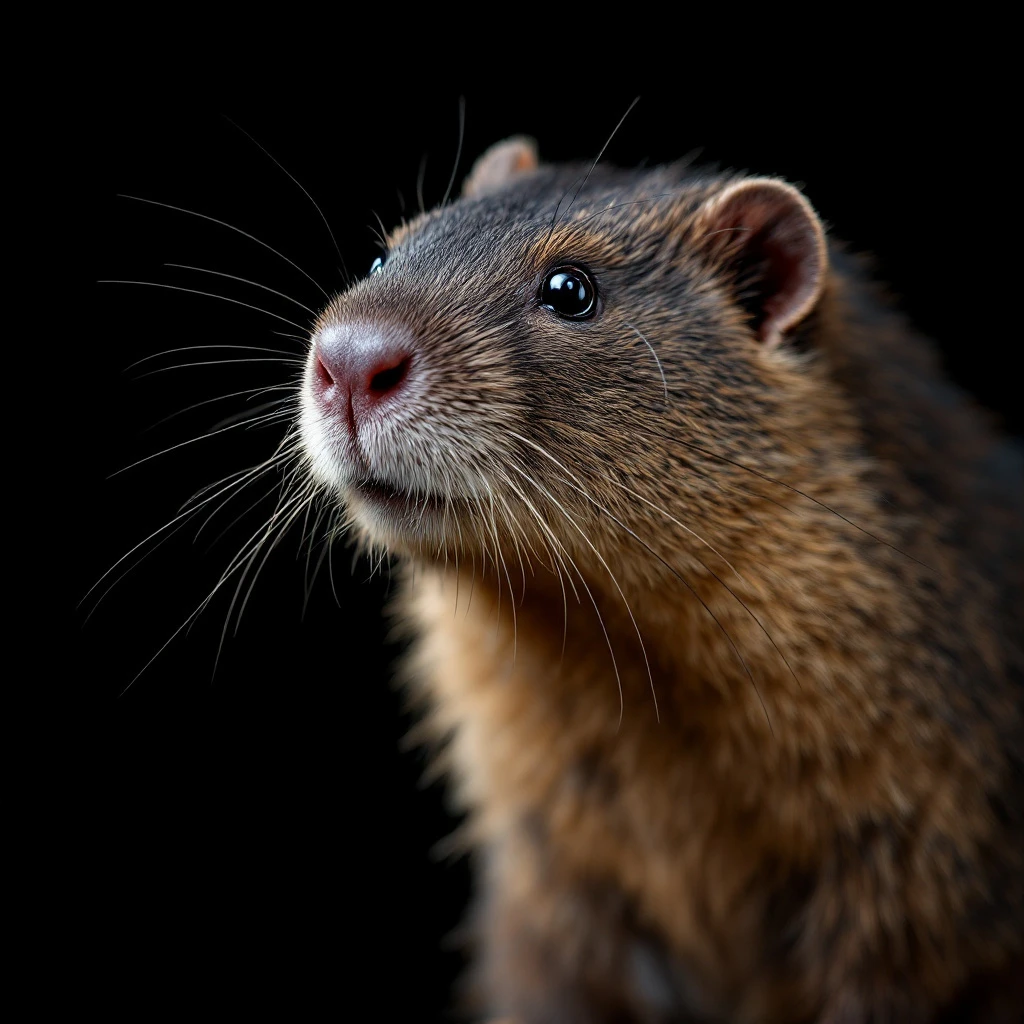
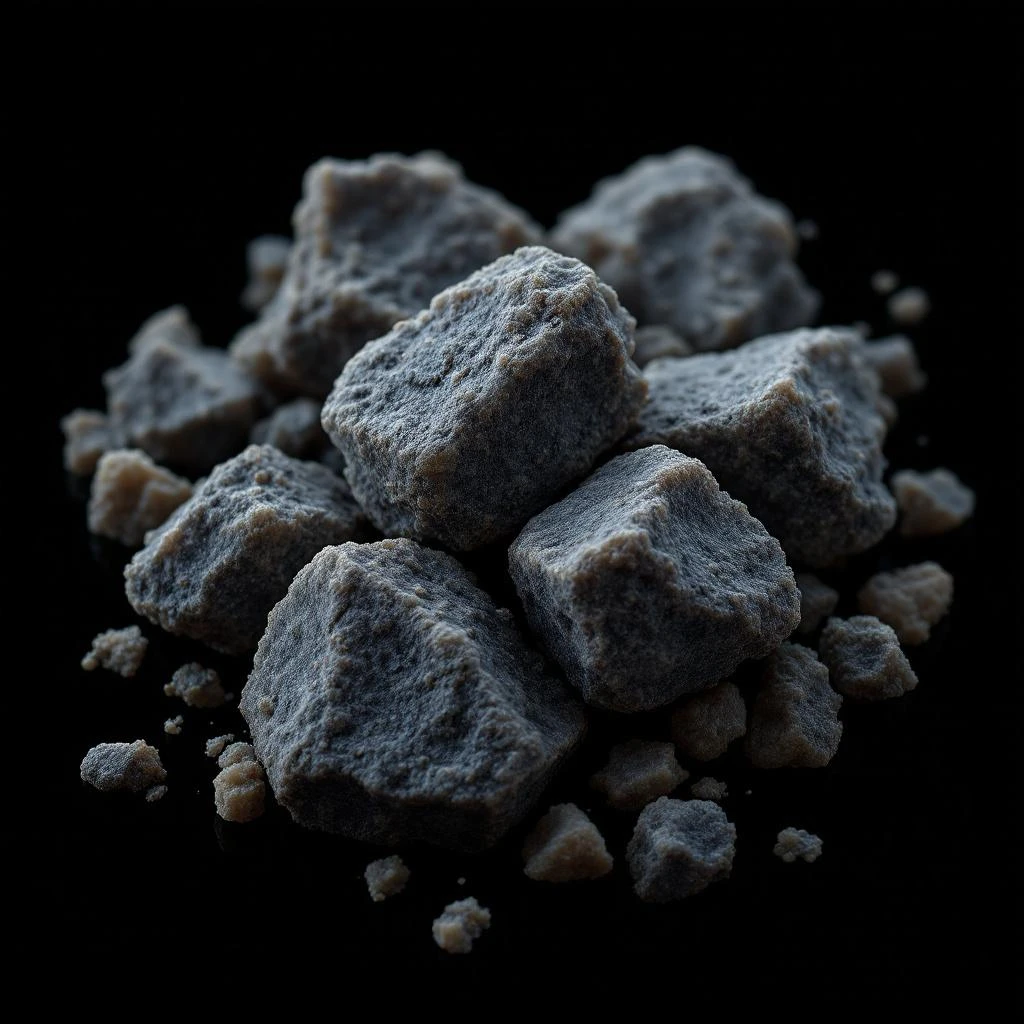
Muskrat musk comes from the preputial glands of the North American muskrat. Once a cornerstone of early American perfumery, this warm, animalic ingredient brought depth and staying power to colonial-era fragrances before synthetic alternatives emerged.
Character
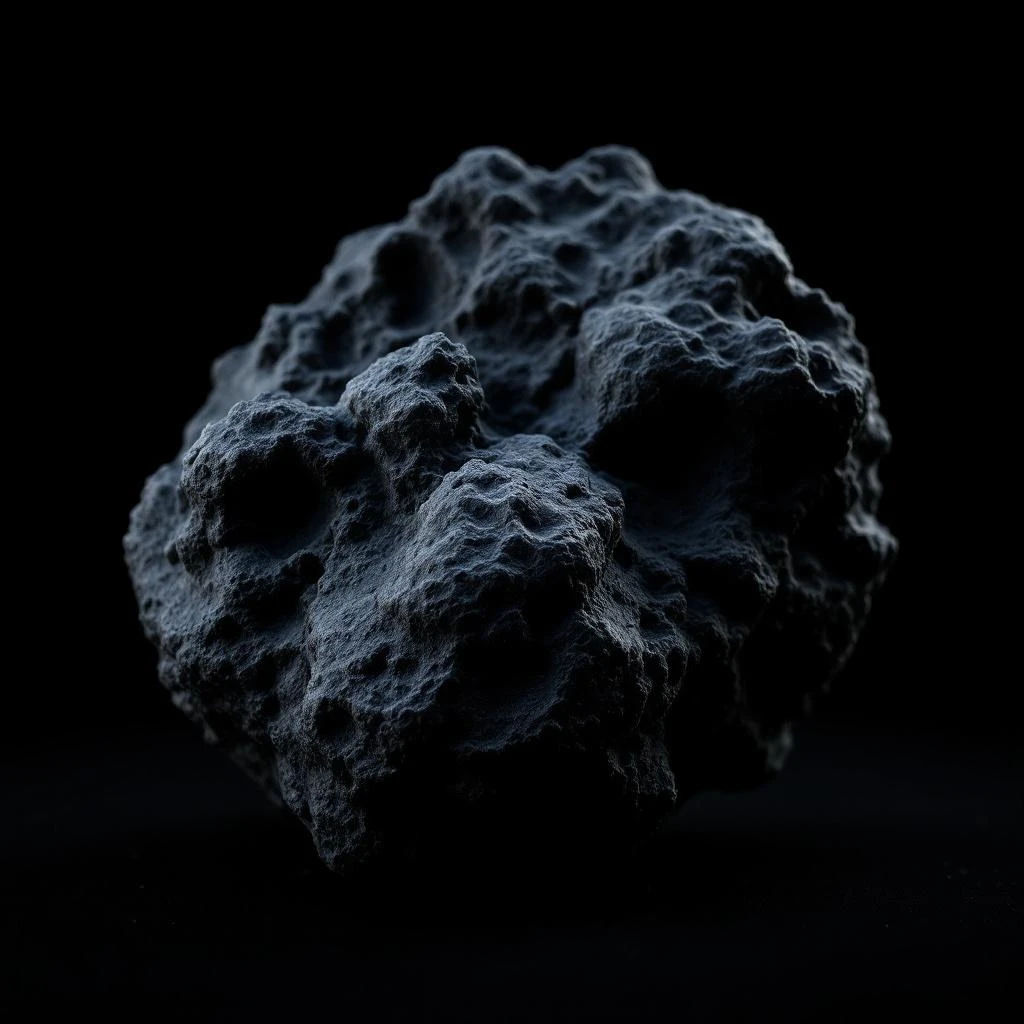
How it smells
North America's contribution to animalic perfumery.
Muskrat populations were so heavily trapped for their musk and fur in the 1800s that their numbers dropped dramatically, accelerating the shift toward synthetic musks.




Origin
United States/Canada
Long before synthetic musks arrived, natural animal musks dominated perfumery for millennia. Muskrat musk represents a distinctly North American chapter in this story. Indigenous peoples of the Great Lakes region and eastern woodlands were the first to recognize the musky secretion's value, using it in traditional preparations and trade.
When European colonists arrived, they encountered muskrat as a regional alternative to the more exotic civet and musk deer of the Old World. Colonial American perfumers prized it for its warm, animalic character that gave fragrances depth and remarkable longevity on skin. By the 18th and 19th centuries, muskrat trapping for fur and musk became a significant trade, with wetlands across the continent supplying the commodity.
The eventual decline of wild populations from overharvesting contributed to the broader industry shift toward synthetic musks that accelerated in the late 1800s. Today, authentic muskrat musk remains a historical footnote, a reminder of the era when perfumers relied entirely on the animal kingdom for these essential base notes.
Wears it best
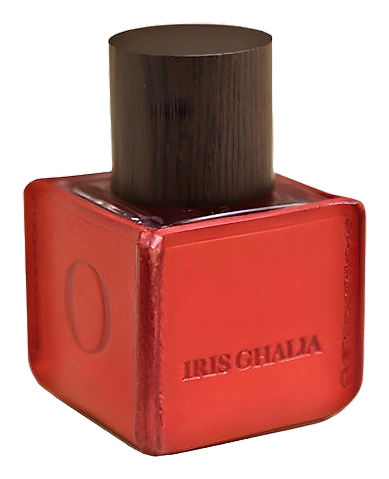
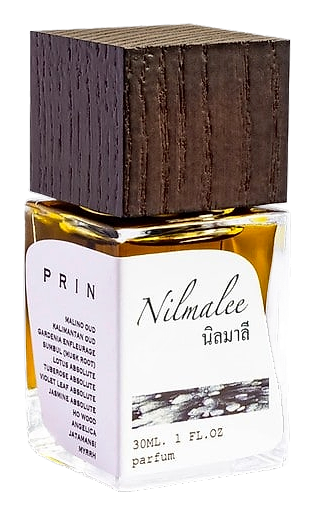
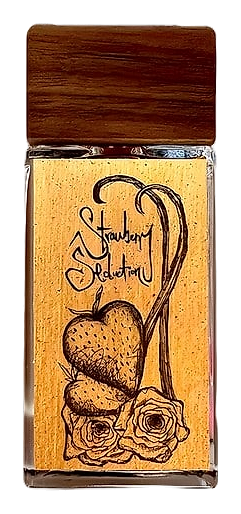
Fragrances featuring Muskrat
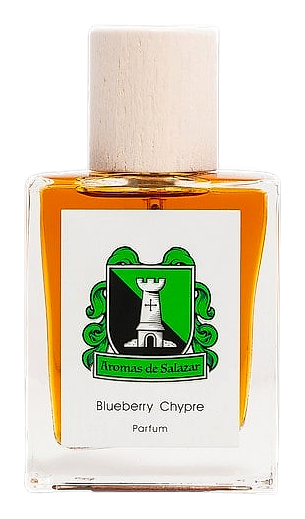
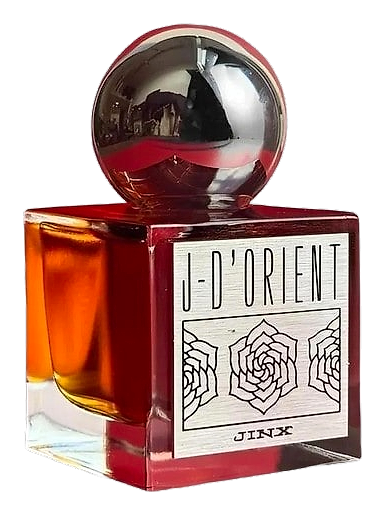
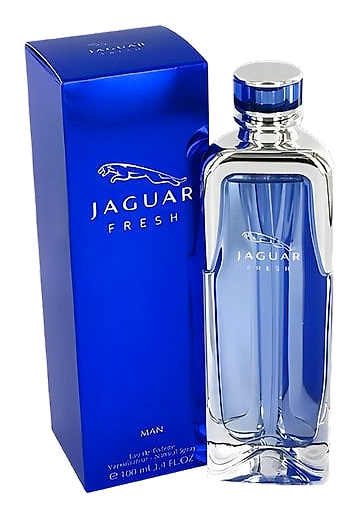
Brands
Brands known for Muskrat
Good to know
Questions, answered
The essentials on Muskrat in perfumery: how it smells, where it comes from, and how it behaves on skin.
Is muskrat musk still used in modern perfumery?
Muskrat musk is extremely rare in contemporary perfumery. The global shift to synthetic musks, which began in the late 19th century, has made natural muskrat musk nearly obsolete. Modern perfumers rarely encounter it, though a small number of artisanal producers may work with historic batches.
How does muskrat musk differ from musk deer musk?
Muskrat musk tends to be less intense and more approachable than musk deer musk. It carries a warm, animalic character with slightly sweet undertones, whereas musk deer musk is often described as deeper, darker, and more tenacious. Both are animal-derived, but they come from different species with distinct glandular secretions.
What does muskrat musk smell like?
Muskrat musk is warm, animalic, and slightly sweet. It provides a rich base note that adds depth and helps fragrance linger on skin. The scent is less aggressive than civet and more nuanced than some synthetic alternatives, with earthy, musky qualities that round out compositions.
Why did perfumers stop using muskrat musk?
Overtrapping in the 1800s severely depleted wild muskrat populations. Combined with ethical concerns about animal welfare and the development of affordable synthetic musks, natural muskrat musk became impractical. By the early 20th century, synthetic alternatives had largely replaced it in commercial perfumery.
Are there ethical sources of muskrat musk today?
Any legitimate muskrat musk available today comes from animals trapped for fur, with glands harvested as a byproduct. Ethical sourcing requires humane practices and sustainable quotas. However, most modern perfumers simply use synthetic musks, which eliminate animal welfare concerns entirely.
Is muskrat musk the same as musk in fragrance descriptions?
Not exactly. When modern fragrance descriptions mention 'musk,' they almost always refer to synthetic musks that replicate the effect of natural animal musk. True natural muskrat musk is a specific ingredient from a specific animal, rarely encountered in finished perfumes today.
What role did muskrat play in early American perfumery?
Muskrat musk was a regional specialty of colonial and early American perfumery. Before synthetic alternatives existed, it provided an accessible local source of animalic base notes for fragrances made in the eastern United States. It competed with imported civet and musk deer musk as a more affordable option.
What is the origin of the name 'muskrat'?
The name 'muskrat' comes directly from the musky smell produced by the animal's preputial glands. The rodent uses this secretion for territorial marking. The term has been in use since at least the 1600s, reflecting how central the musky scent was to European perceptions of the animal.