The Story
Why it exists.
The beginning
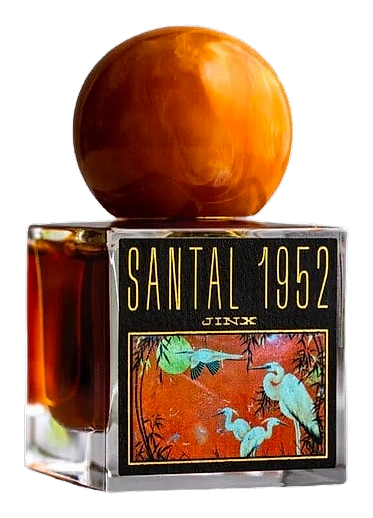
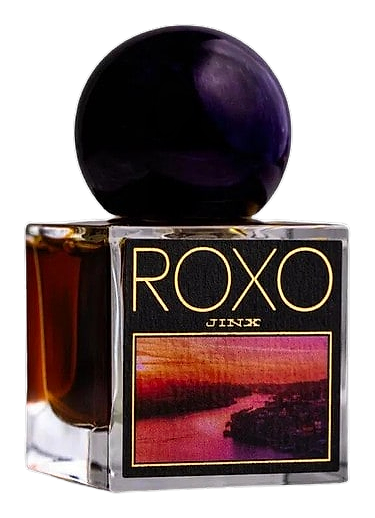
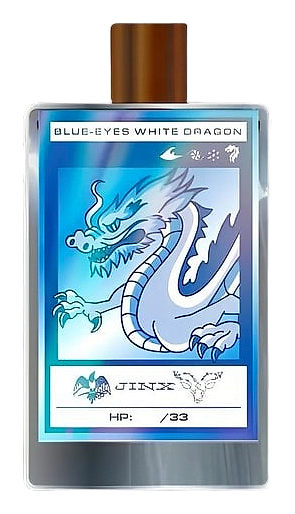
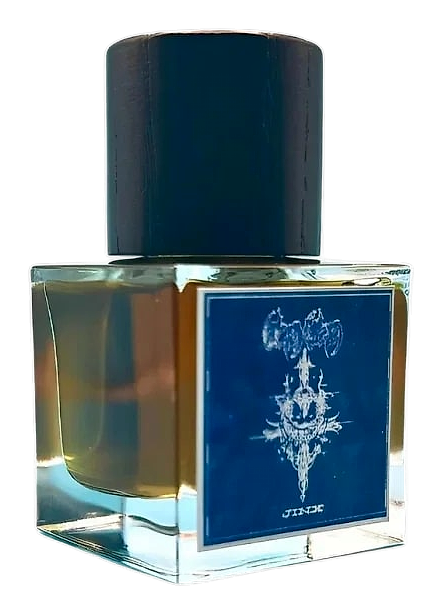
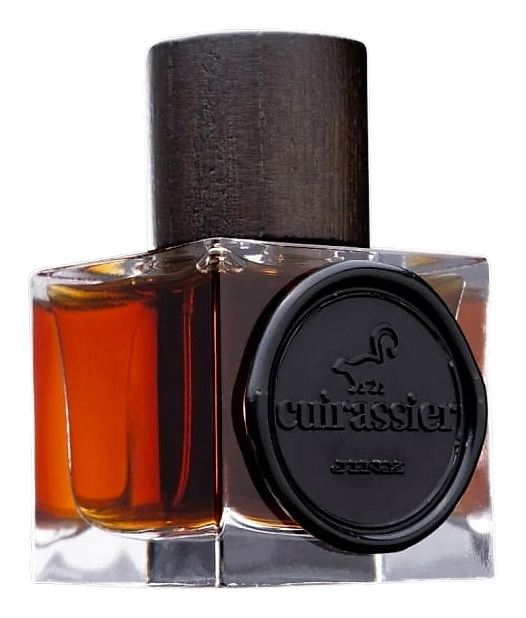
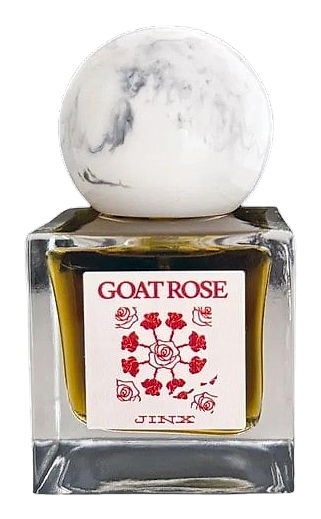
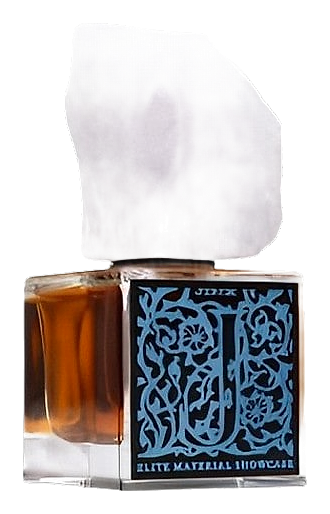
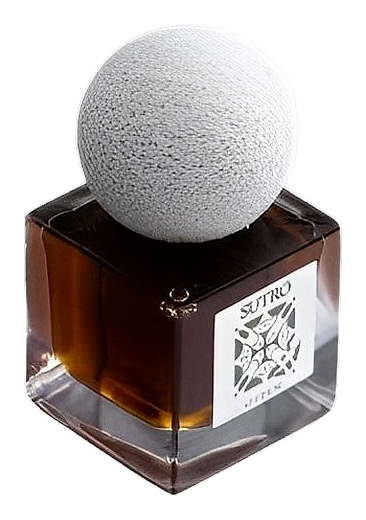
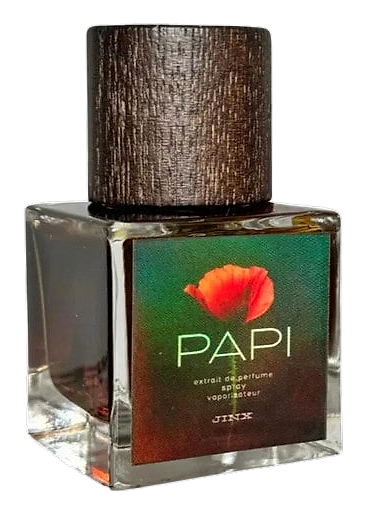
Papi landed in 2024 from Arthur Clayton Emrick, the nose behind Jinx Smells, the small upstate New York house that built its name on oud compositions and animalic edge. Emrick's approach to Papi treats the bottle as a layered composition rather than a single mood. The opening hits with the sharp, almost medicinal brightness of fermented oud before settling into something darker and resinous, a slow pull into animalic territory where sweat and leather and barnyard notes blur into one warm haze. There's no attempt to soften the edges or round the formula into something crowd-pleasing. Each phase wears like a deliberate chapter, the kind of scent that rewards attention rather than asks for it, asking you to lean in closer as the hours pass and new facets surface from underneath.
What's striking about Papi is how it stacks three of perfumery's loudest materials, oud, civet, and Bulgarian rose, and lets them argue rather than harmonize. The anise up top cuts through what could otherwise be a heavy oriental, and the patchouli keeps the heart grounded while champaca adds that almost overripe tropical sweetness. Then the base pulls the whole thing into territory that smells more like skin than like perfume, thanks to natural musk and ambreine doing the heavy lifting beneath the oud.
The evolution
The first ten minutes are all anise and bergamot, sharp and almost liqueur-like, with rosewood adding a faintly medicinal woodiness underneath. Blackcurrant shows up briefly, a dark fruity flash that disappears faster than you'd expect. As the heart takes over, Bulgarian rose rolls in dense and jammy, carnation sharpening it with clove-like warmth, champaca bringing something buttery and almost too ripe. The patchouli here is deep, earthy, the brown kind rather than the green. Around the three-hour mark, things shift. The florals recede. Civet makes itself known, that unmistakable animalic warmth that reads as skin and intimacy. Oud arrives not as a wall but as a slow undertow, musky and resinous. The drydown goes on forever, hours past when you think it's done, leaving a close trail of ambreine, vanilla, cedar, and the persistent ghost of civet. The next morning, on fabric, it's still there.
Cultural impact
Papi has found its audience among collectors who want intensity and depth over polish. Wearers describe the scent as one that pulls focus without effort, the kind of composition that announces itself through genuine material presence rather than volume. The drydown is where Papi earns its reputation, shifting from the initial fermented brightness into deep barnyard warmth, smoky leather, and the kind of animalic musk that stays close to the skin for hours. Forum chatter points to specific moments where the oud and civet-style notes resolve into something almost edible, a rawness that rewards repeated wears.