The Story
Why it exists.
The beginning
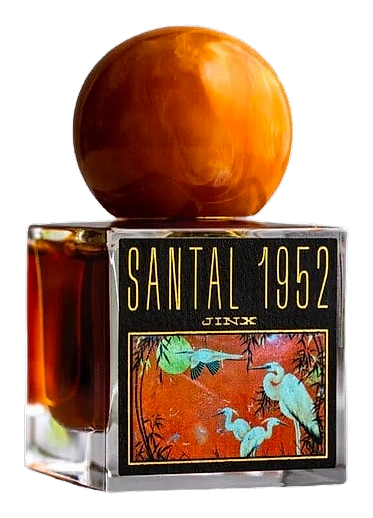
Santal 1952 arrived in 2024 from Jinx Smells, the house founded by Arthur Clayton Emrick. Emrick built the brand with a clear conviction: that depth only comes from real materials, and that a sandalwood composition should never settle for the easy version of itself. Santal 1952 is that conviction pushed to its limit, a sandalwood showcase that stacks five distinct wood expressions into a single bottle. The name itself feels like an invocation, less about a literal date than about a particular idea of sandalwood, the kind collectors carry in memory rather than on their shelves. This is a fragrance that asks the wearer to sit with it, to let the woods talk over each other, and to accept that a sandalwood scent can be many things at once.
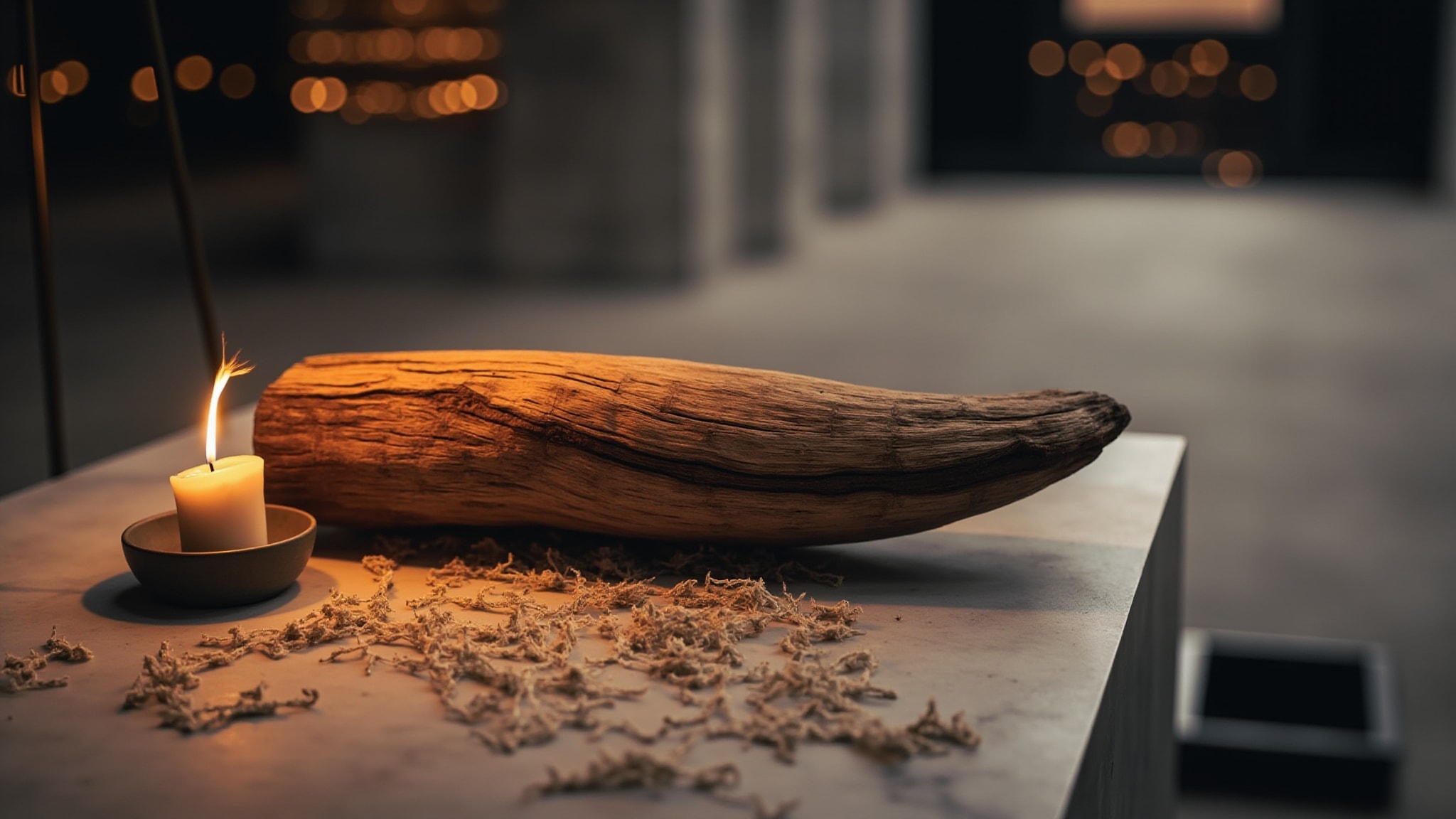
What's unusual about Santal 1952 is the breadth. Most sandalwood-forward fragrances lean on a single wood source and build their architecture around it. Santal 1952 refuses that shortcut. Australian, Mysore, Ceylonese, Indonesian, and a generic sandalwood layer all share the bottle, each pulling a different face from the same genus. The result is a composition that treats wood not as a monolith but as a spectrum, and the supporting notes are chosen to widen that spectrum further.
The evolution
Santal 1952 moves through its life on skin in clear stages, and each stage reads like a different chapter of the same conversation. The opening hits sharp and savory, with fenugreek and green bell pepper trading off as the loudest voices. Pineapple and bay leaf slip through in quick succession, adding a sweet and herbal register that doesn't quite settle. Cardamom warms the whole arrangement from below, and lemongrass keeps the brightness from collapsing into darkness. As the hours pass, the white florals start to crowd in, gardenia and frangipani bringing a dense, almost tropical creaminess that feels disconnected from the spiced green opening. Anatolian rose threads through, adding a dusky sweetness that softens the florals without flattening them. Tobacco settles in next, smoky and a little leathery, and the sandalwoods begin their slow takeover.
Cultural impact
Santal 1952 occupies a particular corner of the niche world, one where sandalwood is treated as a serious material rather than a background filler, and where the woods are allowed to take up the entire stage. Its pineapple-cardamom-spice opening has become something of a calling card in online fragrance circles, the proof that a creamy wood composition can carry a sharp, savory top without losing the softness that makes sandalwood worth wearing in the first place. Reviews often reference its place beside classic Mysore-style sandalwoods, even though the formula relies on spiced green facets rather than literal camphor.