The Story
Why it exists.
The beginning
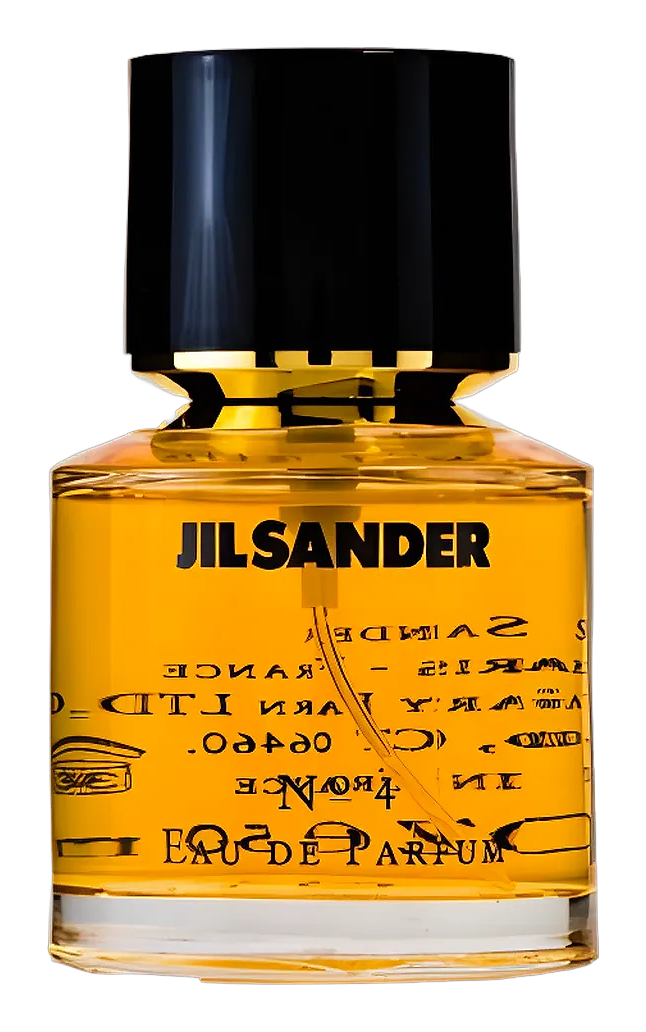
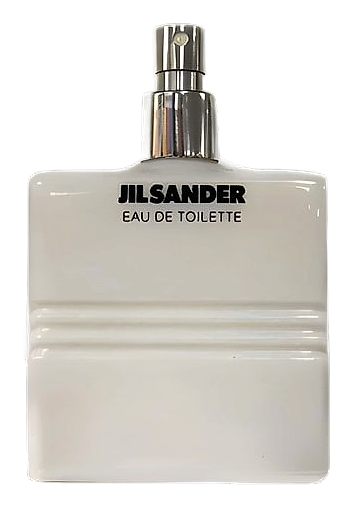
Jacques Artarit designed Bath & Beauty as part of Jil Sander's first fragrance collection in 1981, the same year the house introduced its debut scents for both men and women. The brief was deceptively simple: minimalism as a fragrance language. Artarit answered with aldehydes, not as a nod to Chanel, but as a signature cut across the entire launch lineup. Bath & Beauty took the concept further, fusing the aldehydic sparkle with an unusually rich floral heart and a resinous base that grounded the entire composition in something warmer than clean.
What makes Bath & Beauty structurally interesting is the gap it bridges. Aldehydes and resins don't typically share space, the former reads cool and soapy, the latter warm and animalic. Here, frankincense and benzoin arrive late, adding a quiet resinous depth beneath the powder rather than competing with the aldehydic lift. Cedar and sandalwood provide the architectural backbone, keeping the floral heart from becoming sentimental. The result is a fragrance that behaves like its name: it washes clean, but leaves something behind.
The evolution
The aldehydes hit first. Not a gentle opening, a bright, almost metallic sparkle that announces itself like the first light through a clean window. Bergamot and violet arrive quickly, cooling the aldehyde sharpness into something more familiar, more soapy. This is the bath. The floral heart then blooms in stages: rose and jasmine open the middle, coriander adds an unexpected green-spice counterpoint, and iris contributes that powdery elegance that makes the transition feel inevitable. By the time honey and orchid arrive, the fragrance has softened without losing structure. The drydown is where Bath & Beauty earns its name. Cedar and sandalwood settle close to the skin, frankincense adds a whisper of resinous warmth, and the whole composition reduces to powder, soft, warm, intimate. On fabric, it lingers for hours after the initial brightness has gone. On skin, it becomes a second skin that other people notice before you do.
Cultural impact
Bath & Beauty belongs to the generation of aldehydic fragrances that defined the early 1980s, the era when clean was a statement, not a default. The aldehydic soap bubble quality is unmistakable, the kind of opening that either captivates immediately or requires a few minutes to settle into. It draws a specific wearer: someone who values restraint, who understands that the most powerful scent in a room is the one only they can smell. Not trend-driven, not performative. Understated authority. It sits comfortably alongside other landmark aldehydic releases of the period, though it leans more powdery and floral than many of its peers.