The Story
Why it exists.
The beginning
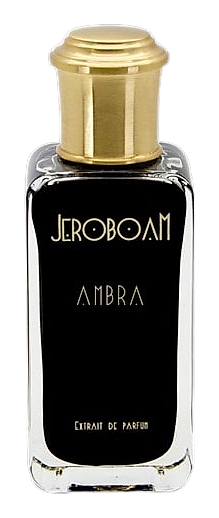
Ambra arrived in 2017 as Jeroboam's take on one of perfumery's oldest notes. Amber, real amber, the resinous fossilized kind, has been cast in countless compositions over centuries, often as a warm, enveloping base. The challenge was obvious: how do you make something ancient feel urgent? Vanina Muracciole, the house's perfumer, approached it not as a base note to lean on but as a central material to build around. The brand's own copy calls it "modern, daring and sensual", a deliberate move away from the sleepy, grandmother-adjacent amber of classic formulations. Ambra was designed to feel like it belongs in 2017, not 1987. The frankincense and bergamot opening was the first signal: this amber would argue with you before it held you.
What makes Ambra's structure interesting is the tension between aromatic and balsamic rather than the usual sweet warmth. Frankincense brings smoke and a slight turpentine edge that most people read as "cold" or "sharp", it's the same material that makes some incense-heavy fragrances feel forbidding. Here, the bergamot and geranium lift that opening just enough to keep it from reading as austere. The real move is the vetiver in the base. Vetiver is earthy, rooty, almost dirty, it grounds the vanilla and tonka instead of letting them float upward into sweetness. The result is an amber that sits close to the skin, warm but not loud, resinous but not sticky.
The evolution
The opening hits like smoke from a distance, incense first, then bergamot's citrus brightness cutting through. It doesn't ease in gently. There's an almost sharp quality to the first phase, with geranium lending a green, slightly medicinal undertone that most people either love or find confusing. Then the Peru balsam arrives, thick and sweet, smoothing the edges. By the second hour, the amber itself has emerged, not as a single note but as a warmth that seems to radiate from the skin rather than sit on top of it. The patchouli keeps things grounded, earthy, a thumb-print of soil beneath the sweetness. The vanilla and tonka bean arrive in the third hour, but they don't announce themselves. They whisper. The drydown is intimate by design, this is a fragrance that marks the wearer, not the room.
Cultural impact
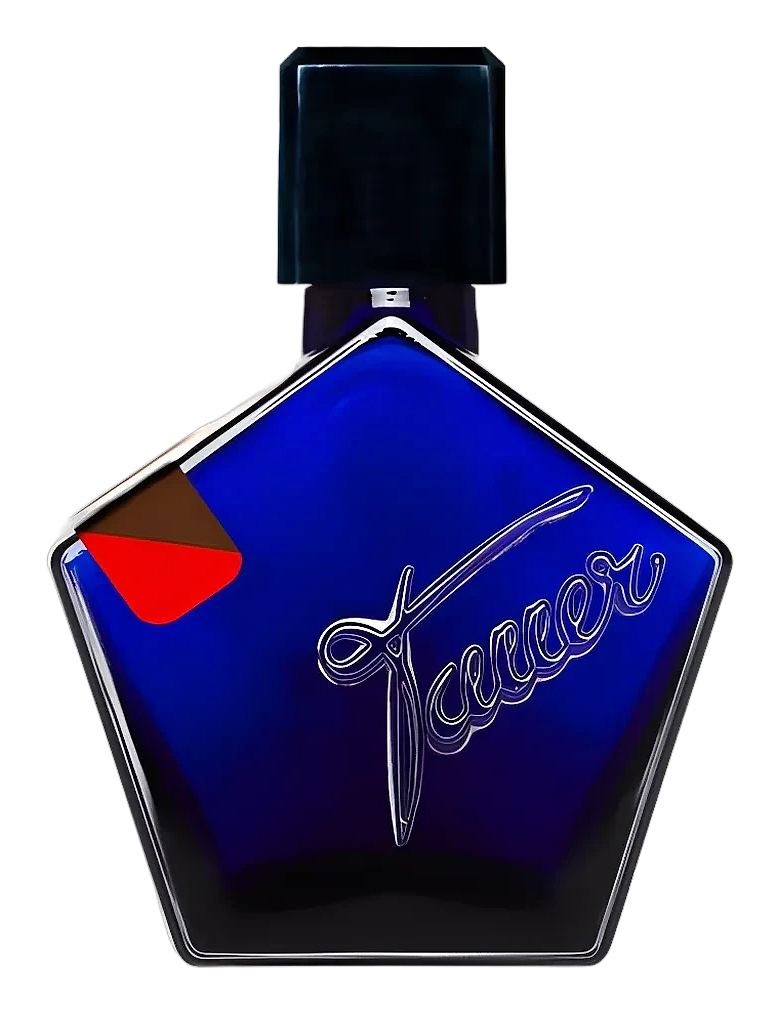
Ambra has found its audience among people who want resinous warmth without the cloying sweetness of classic amber fragrances. It sits comfortably alongside bold niche orientals from houses like Tauer Perfumes and Serge Lutens, fragrances that argue with you before they win you over. What sets Ambra apart is its restraint: the warmth is there, but it's held close, asking to be discovered rather than announcing itself. The frankincense and bergamot opening immediately signals that this isn't your grandmother's amber, while the intimate drydown ensures it leaves a lasting impression on those who get close enough to notice.