
The Story
Why it exists.
The beginning
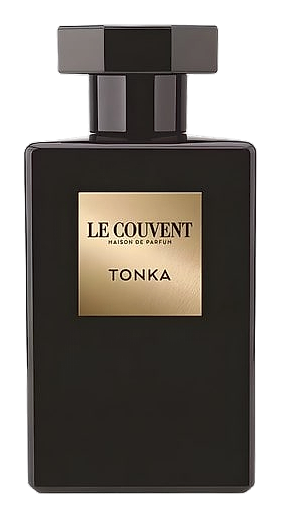
In 2013, Fabrice Pellegrin built Tonka as a statement about what gourmand really means. Not a soft, safe sweetness, but one with weight and direction. The name says it all: this fragrance puts the tonka bean on center stage, extracted three ways to pull every angle from the material. No distractions, no hedging. Just the bean, supported by vanilla and honey, anchored by spice. It was made for someone who knows what they want from their fragrance and won't settle for less.
The tonka bean is having a moment now, but in 2013 it was still finding its footing as a mainstream note. Pellegrin extracted it three ways, each method pulling a different facet from the same ingredient. One extraction brings out the coumarin's vanilla-adjacent sweetness. Another emphasizes the warm, hay-like depth. The third surfaces the faint, almost tobacco-like dryness underneath. Layered together with real vanilla and a honey note that doesn't read as cosmetic, you get something that smells complete rather than constructed. The clove and anise in the top don't compete with the sweetness, they frame it, giving the fragrance structure that most gourmand fragrances lack.
The evolution
The opening hits with anise, sharp, almost medicinal for the first minute. Then the bergamot arrives to soften it, and the clove starts to build beneath. By the 15-minute mark, the honey is fully present, coating everything in a warm amber glow. The jasmine sambac holds the middle act steady, adding a slightly indolic floral depth that keeps the honey from reading as merely sweet. Then the tonka and vanilla arrive together around the 40-minute mark, and the clove finally settles into the base rather than dominating the top. What lingers after six hours is the tonka-vanilla duet, less honey, more of that coumarin-rich dryness that makes tonka bean distinct. On fabric, it can last into the next day.
Cultural impact
Tonka has quietly built a reputation as the fragrance people reach for when they want the warmth of Tobacco Vanille but without the luxury tax. It scores well on value, wearers consistently mention the longevity-to-price ratio as a reason to keep repurchasing. The honey-and-clove combination creates a winter-warmer effect that works equally well at a dinner table or a weekend market. Evening wear dominates, but the sweet-spice balance makes it more flexible than most orientals in its class.