The Story
Why it exists.
The beginning
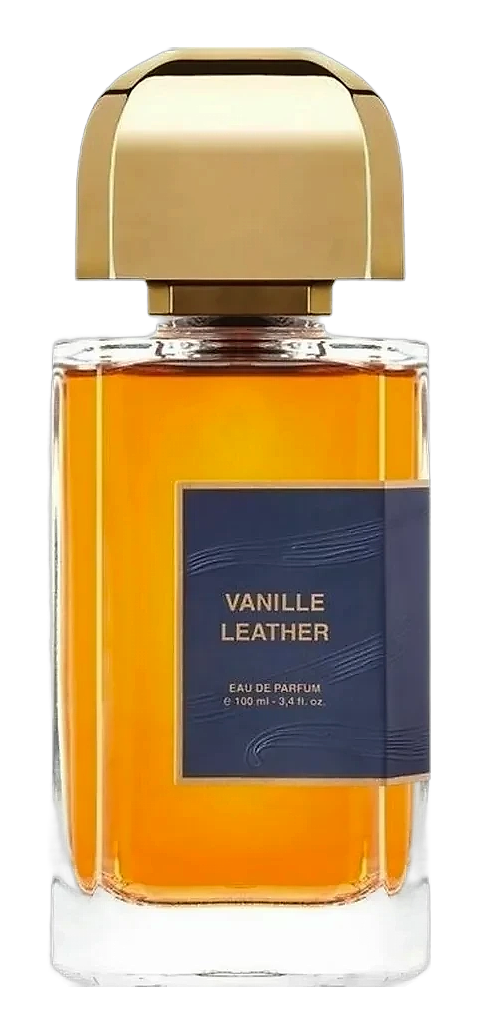
Dominique Ropion built Vanille Leather around a deliberate contradiction. Madagascar bourbon vanilla is one of perfumery's most domesticated materials, a note that has been softened, sweetened, and made approachable across countless fragrances. Ropion chose to use it in a way that resists easy categorization. The name says vanilla, but the opening says violet. The name says leather, but the florals take their time, tuberose and jasmine arriving in force before the base reveals its true character. The result is a fragrance that refuses to be pinned down, a scent that tells one story and then quietly rewrites it.
The note structure reflects a specific philosophy about how florals and leather interact. Tuberose, jasmine, and orange blossom are not decorative here. They are structural, occupying the heart with enough presence to delay the leather and vanilla that the name promises. This is not an accident. Ropion understood that the contradiction only works if the florals arrive with enough force to reshape expectations. The pairing of bourbon vanilla with leather is a classic warm combination, but the iris and pink pepper keep it from becoming predictable. Patchouli and oak add the earthy depth that prevents the base from reading as purely sweet.
The evolution
Vanille Leather begins with violet and pink pepper, a crisp floral-violety opening that is immediately surprising. There is no vanilla here, not yet. Instead, pink pepper adds a subtle spice that lifts the violet into something almost crystalline. This phase lasts only a few minutes before the heart arrives, and the florals do not hesitate. Tuberose and jasmine dominate, creamy and assertive, with orange blossom threading through to add a bitter-herbal counterpoint. The heart projects strongly, announcing itself with confidence. Then the base arrives to complicate things. Bourbon vanilla appears, but it shares space with leather that is unmistakably present, patchouli that is earthy and dark, and oak that grounds everything. Benzoin adds resinous warmth while iris provides a powdery bridge between the florals above and the leathery foundation below. The leather and vanilla never fully resolve into harmony. They remain in tension, each asserting itself, and that tension is what makes the drydown compelling.
Cultural impact
Vanille Leather sits in a crowded space, vanilla and leather, a familiar combination, but executes it with enough restraint that it carves its own edge. The vanilla doesn't read as easy warmth, and the leather never projects hard enough to fill a room. The people who love it love it for the exact thing others find frustrating: this is vanilla that refuses to cooperate. It's best worn in the evening or in cooler seasons where close-quarters wear feels natural. The sillage stays intimate, close to the skin, which makes it appropriate for offices where projection matters without making it a statement piece.