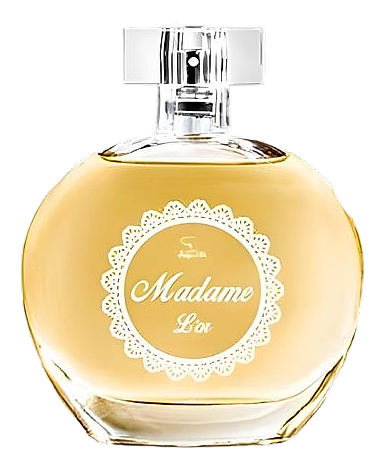

The Story
Why it exists.
The beginning
Madame L'or arrived in 2015 from Jequiti. Marion Costero composed it as a white floral with raspberry and cinnamon woven through a traditional floral framework, a choice that gives the composition its particular character. The raspberry contributes fruit while the cinnamon contributes a glowing warmth that runs underneath everything, stopping the floral from drifting into demureness. There's also a pink pepper note in the opening that adds a subtle sparkle, a quiet heat that nudges the top accord away from something purely sweet and toward something with more attitude.
What makes the composition interesting is its tension between two directions. The Grasse rose and lily of the valley sit in the white-floral tradition, a heart that feels familiar and gentle. The raspberry and cinnamon on top push toward something fruitier and warmer. That push and pull is the whole personality. The peach in the heart bridges the two worlds, fruit enough to feel modern, soft enough to sit comfortably with the florals without disrupting them.
The evolution
The opening is the loudest the fragrance gets. Bergamot lifts, raspberry spills, and cinnamon draws a line of warmth through the whole opening. It feels like the brightest version of the fragrance, almost sparkling, with the pink pepper adding a faint prickle that makes the whole thing feel alive. The cinnamon soon steps back and the florals take over. Grasse rose blooms, the lily of the valley adds a clean softness, and the peach rounds everything out with its velvety sweetness. The scent becomes rounder, less sharp, more wearable. This is the phase most people will recognize, the point where the raspberry settles into the floral heart rather than sitting on top of it. Later, the base starts asserting itself. Vanilla and musk warm the drydown, and the cedar keeps a faint woody thread visible underneath, stopping the sweetness from tipping over.
Cultural impact
Madame L'or offers a warmer, spicier take on the white-floral genre than many of its companions. Its cinnamon-raspberry opening gives the composition a bolder personality in the first few minutes, one that announces itself rather than whispering, and that opening is what draws repeat wearers back. The fragrance reads as confident and unpretentious, the kind of scent someone reaches for when they want warmth without ceremony, when they want a floral that doesn't disappear into the background. It's a composition that knows exactly what it is and wears that identity comfortably from the first spray through the final hours on skin.
The House
JequitiJequiti is a Brazilian cosmetics and fragrance house that reaches customers through a direct‑sales network. Since its launch in 1999 the brand has offered a wide range of scented products, from everyday body sprays to more elaborate eau de parfums such as Eu Sinto (2012) and Fléus Orchidée (2024). Its catalogue mixes bright, youthful compositions with scents that reference Brazil’s coastal and tropical landscapes. Jequiti’s presence spans more than two decades, and the company continues to introduce new releases each year while keeping price points accessible for a broad audience.
The Creator
Marion CosteroMarion’s signature technique centers on building rich, multi‑layered bases before adding bright top notes that catch the eye. She favors natural absolutes such as Brazilian rosewood, Amazonian cacao, and Provençal lavender, pairing them with modern synthetics that extend longe…