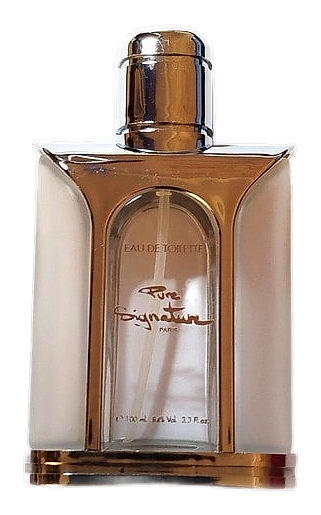

The Story
Why it exists.
The beginning
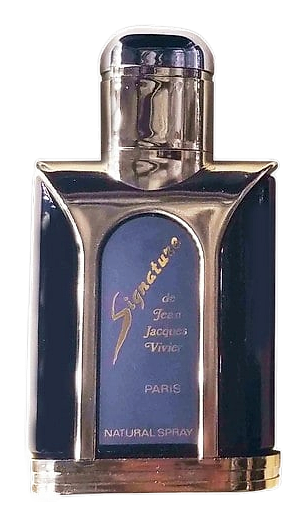
Pure Signature arrived in 1988 from Jean Jacques Vivier, the French perfumer who founded his fragrance house in 1984. That early launch places the scent in Vivier's first concentrated wave, alongside Signature. Its name suggests a personal mark rather than a borrowed style: fragrance as a signature, composed with the kind of direct authorship the house still carries today. The available record doesn't name a specific inspiration or assign a separate perfumer credit, so the composition itself tells the story. Lemon and citruses open the air, while mint, tarragon, basil, anise, artemisia, and green notes create a brisk herbal center. Tonka bean, amber, and musk give that brightness somewhere to land.
What makes Pure Signature interesting is the way familiar materials refuse to sit still. Lemon brings clean sunlight, but mint and basil keep the brightness cool and green. Tarragon and anise add a herbal, almost culinary snap, while artemisia gives the heart a sharper aromatic edge. Then the base changes the temperature. Tonka bean adds a soft sweetness, amber brings warmth, and musk rounds the composition into something quietly polished. The result is less a simple citrus scent than a study in controlled contrast.
The evolution
At first, Pure Signature reads bright and almost crystalline. Lemon and citruses make the opening immediate, like cool air over a windowsill. The heart then takes over with mint, tarragon, basil, anise, artemisia, and green notes, adding a sharper herbal rhythm. Citrus does not vanish so much as become a backdrop for that green, peppery energy. As the fragrance settles, tonka bean and amber introduce warmth without turning heavy. Musk is the lasting piece, carrying a soft skin-close finish after the sharper notes have loosened their grip. On skin, the arc moves from lively daylight into a gentler, more tactile presence with moderate sillage and reliable, steady wear.
Cultural impact
Pure Signature belongs to Vivier's concise early catalogue, a small French house whose identity is tied more to authorship and vintage fragrance collecting than to a broad public legacy. Its place is best understood through that intimate, independent register: a personal scent with a bright aromatic point of view, rather than a mass-market signature built for endless reach.