The Story
Why it exists.
The beginning
Eau irisee arrived in 1920, a year when the world's idea of modern was still finding its footing. The composition was crafted by Expressions Parfumees Grasse, a perfumery house rooted in the Provençal town that had spent centuries turning raw botanicals into bottled atmosphere. The brief reads as quintessentially early-century French: clean, botanical, structured around naturals rather than the abstract aldehydes that would soon flood the market. Cypress leads, which tells you the perfumer wasn't chasing Parisian trends. This is a Grasse composition, green before green was a category, salty before marine became a genre.
What's interesting is the structural honesty. Most woody-aromatic compositions of the era buried their florals or skipped them entirely. Eau irisee threads jasmine straight through the middle, a white floral counterweight to the resinous cypress and stone pine. The base then introduces seawater, an unusual choice for 1920, giving the composition a mineral edge that reads modern even now. The result is a scent that behaves like a triangulation exercise: three competing natural systems (forest, flower, coast) held in deliberate tension. It shouldn't cohere, and yet it does.
The evolution
The cypress announces itself in the first ten minutes, green and slightly bitter, with a dry, almost pencil-shaving quality that reads more Mediterranean grove than Christmas tree. The stone pine arrives quietly alongside jasmine, and for about an hour the composition settles into its main argument: warm resin against cool, indolic white floral against aromatic green. It's the most balanced the scent will ever be, a moment where everything competes and nothing loses. Then the water notes surface. The base brings a briny, skin-warmed quality that catches you off guard, more Atlantic shore than perfume laboratory. Amber and musk arrive last, softening the saline edge into something almost intimate. It develops moderate projection and steady longevity, gaining a loyal following among admirers of distinctive green florals. The drydown by hour five smells like warm wood left out in humid air, the memory of a place more than the place itself.
Cultural impact
Eau irisee occupies a specific niche in the early-20th-century French catalogue: the green-aromatic composition that predates the fougère revival and ignores the orientals dominating the era. It shares structural DNA with the pine-and-marine compositions that would later define coastal perfumery, but the 1920 launch date makes it an ancestor rather than a descendant. For collectors of vintage French eaux de toilette, it represents the kind of unpretentious, botanically-driven work that the prestige houses had already begun moving away from. It's not a statement piece. It's a working scent, the kind a person reaches for when they want to smell like a specific place without performing.
The House
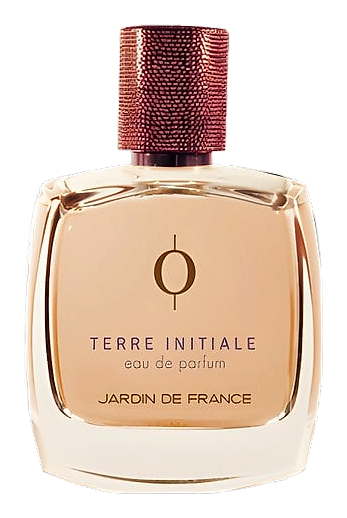
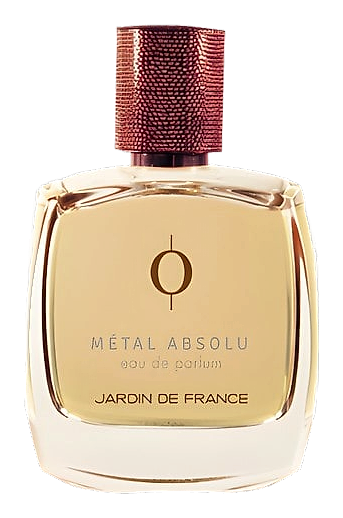
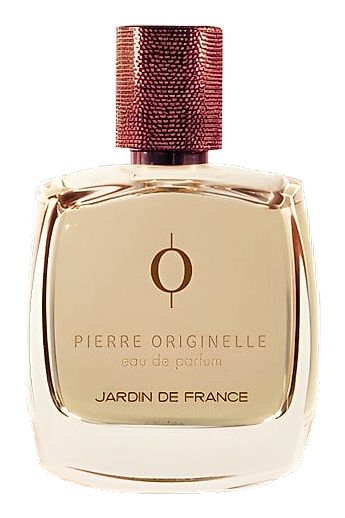
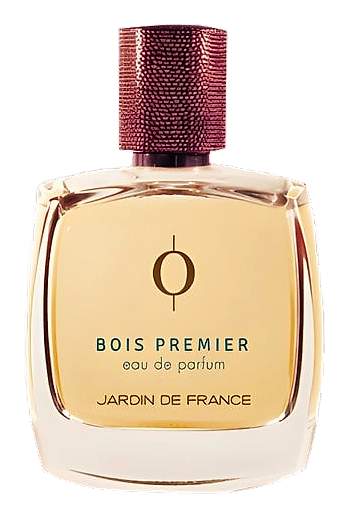
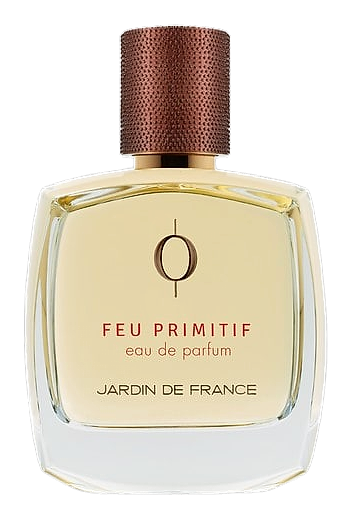
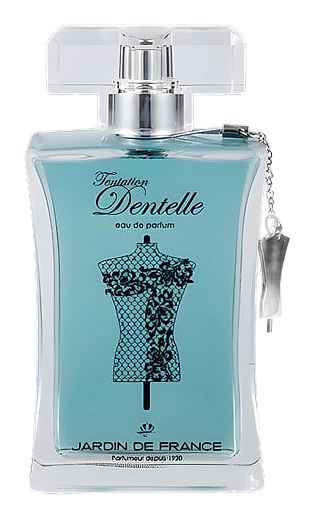
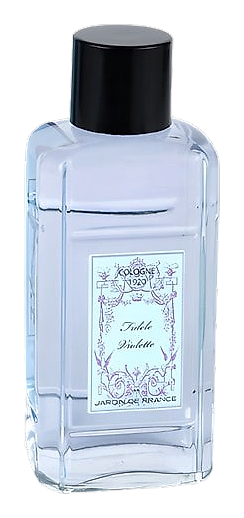
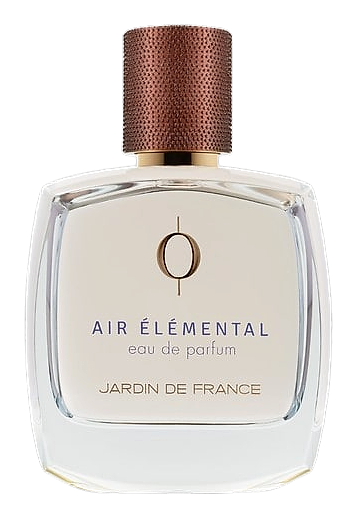
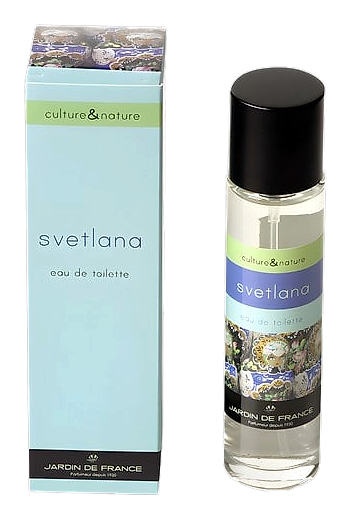
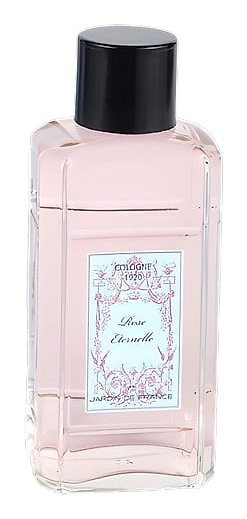
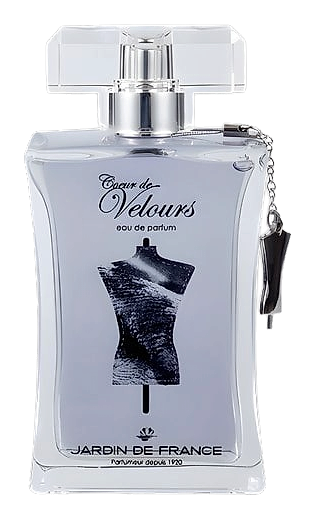
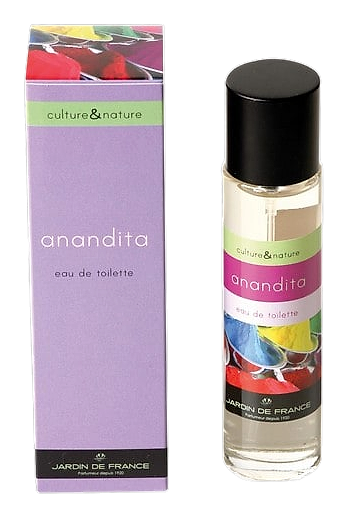
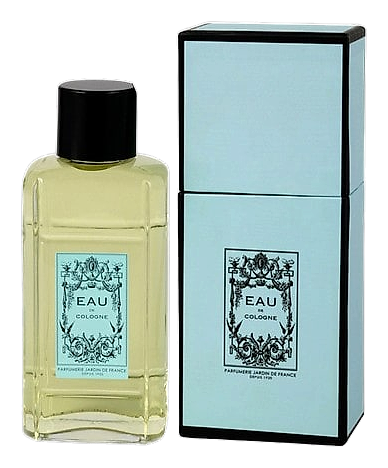
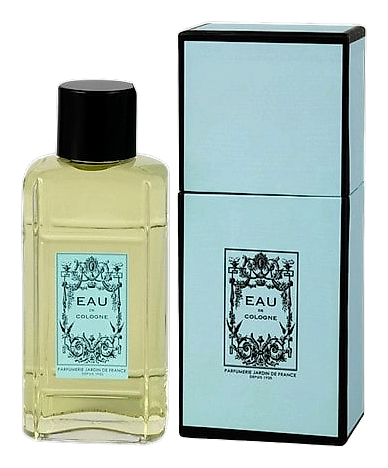
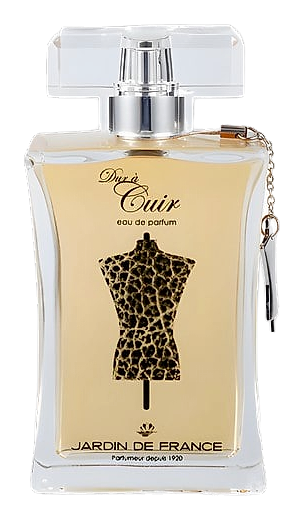
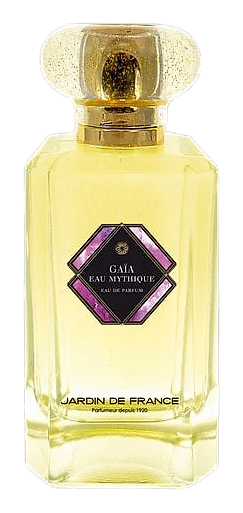
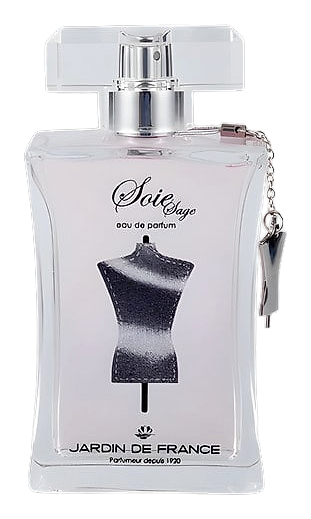
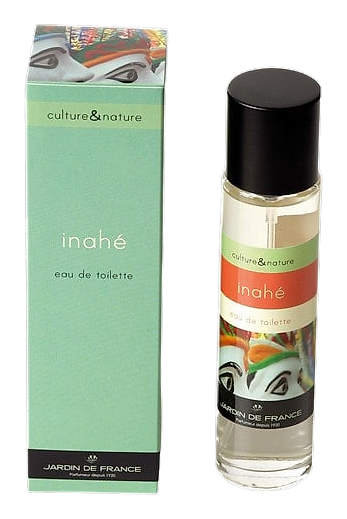
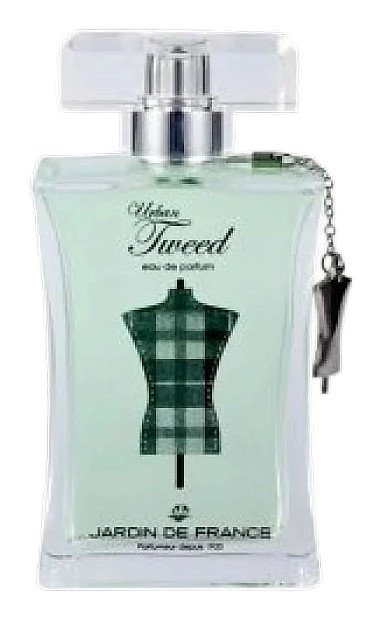
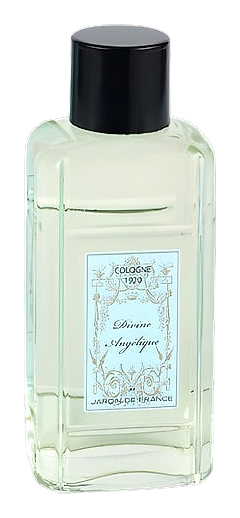
Jardin de FranceJardin de France is a French fragrance house that quietly curates scents rooted in the garden‑inspired heritage of its namesake. The portfolio reads like a stroll through a historic orchard, with classics such as Violette and Lilas sitting beside modern compositions like Air Elemental (2018) and Ouranos Eau Céleste (2014). Each bottle promises a moment of quiet discovery, whether the wearer seeks the crisp bite of ginger in Gingembre or the earthy calm of Vetiver. The brand remains modest in its public profile, yet its creations have earned a steady following among collectors who value consistency and a subtle sense of place.
The Creator
Expressions Parfumees GrasseThe signature of Expressions Parfumees lies in its layered architecture. A typical composition opens with a bright top, often a citrus burst or a sparkling aldehyde, then settles into a heart built from floral or aromatic notes that echo the region’s gardens.