Stone pine
Stone pine, or Pinus pinea, delivers a crisp, resinous aroma that captures Mediterranean forests. Its essential oil blends fresh pine with warm, balsamic depth.
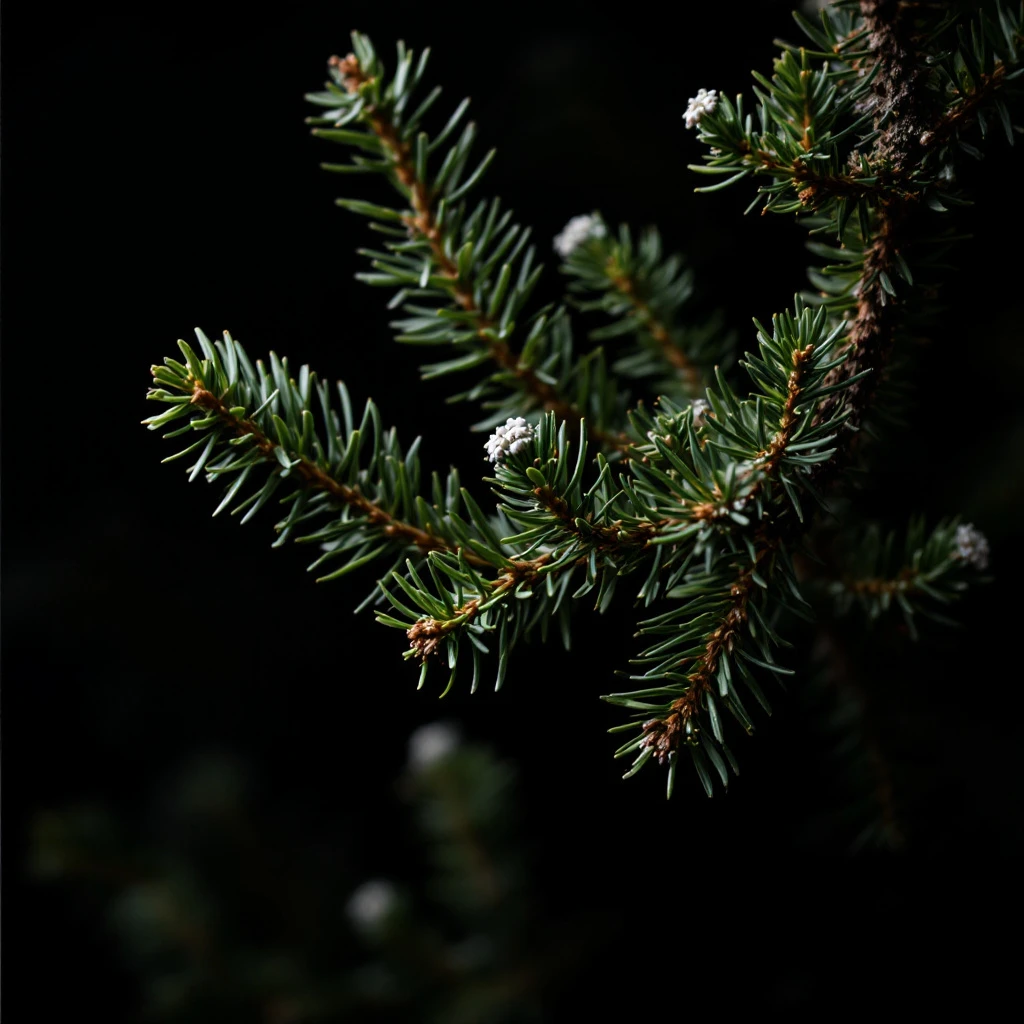
Character
How it smells
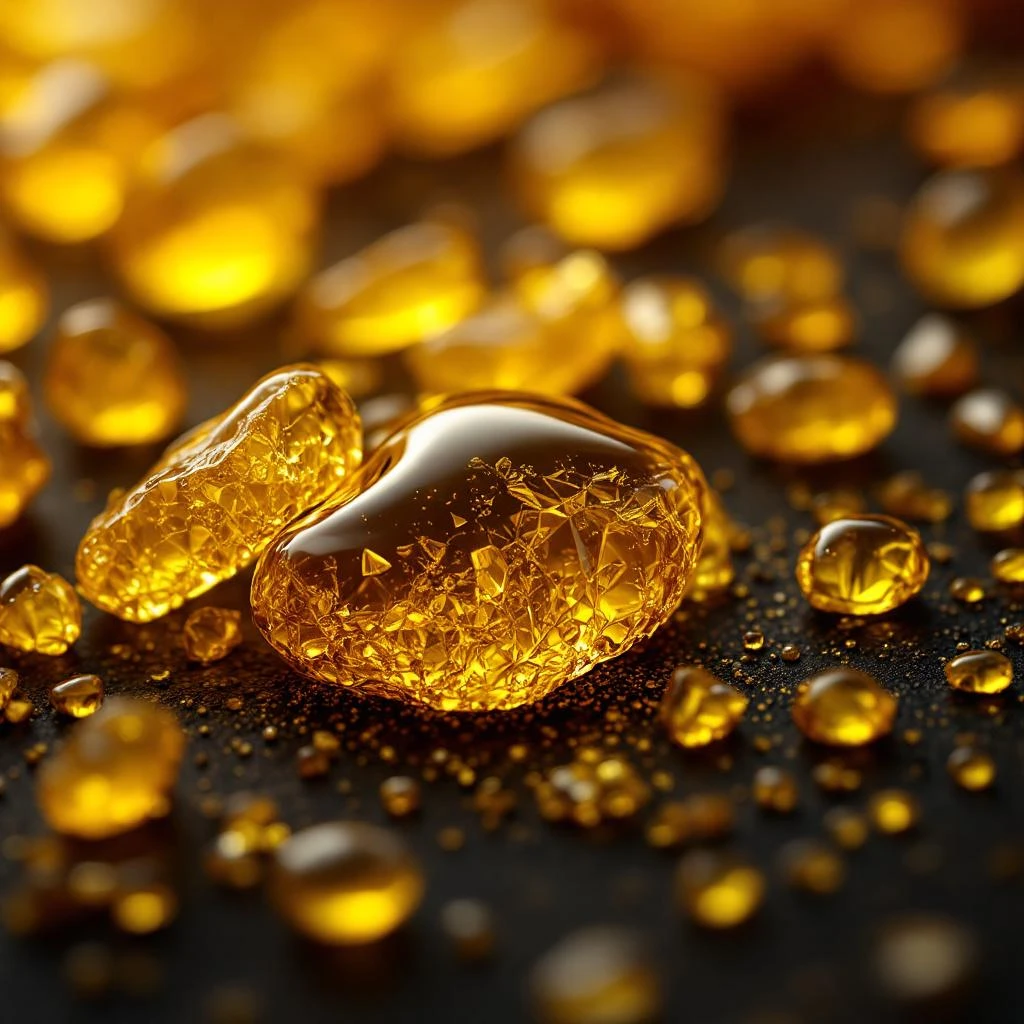
Mediterranean forest in a bottle.
Stone pine trees can live over 500 years, their spreading canopy a Mediterranean icon since antiquity.



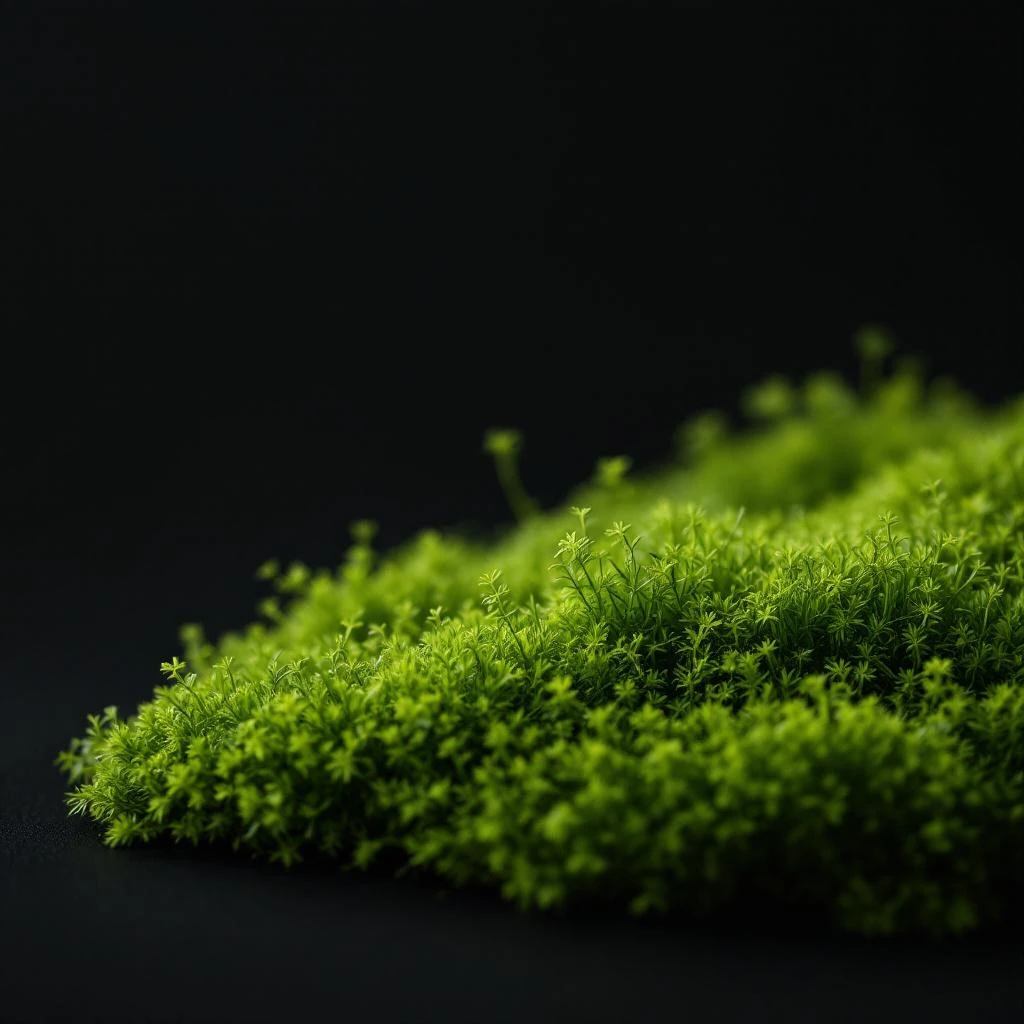

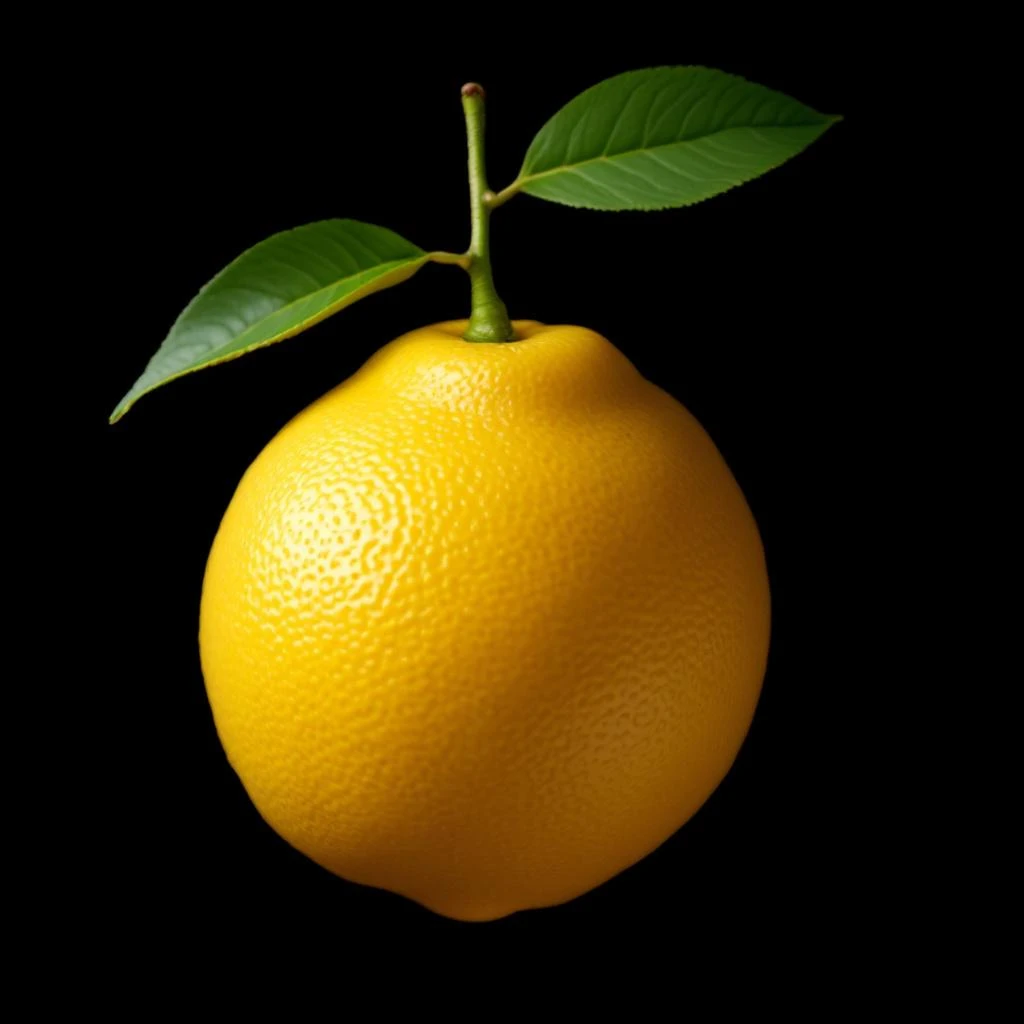
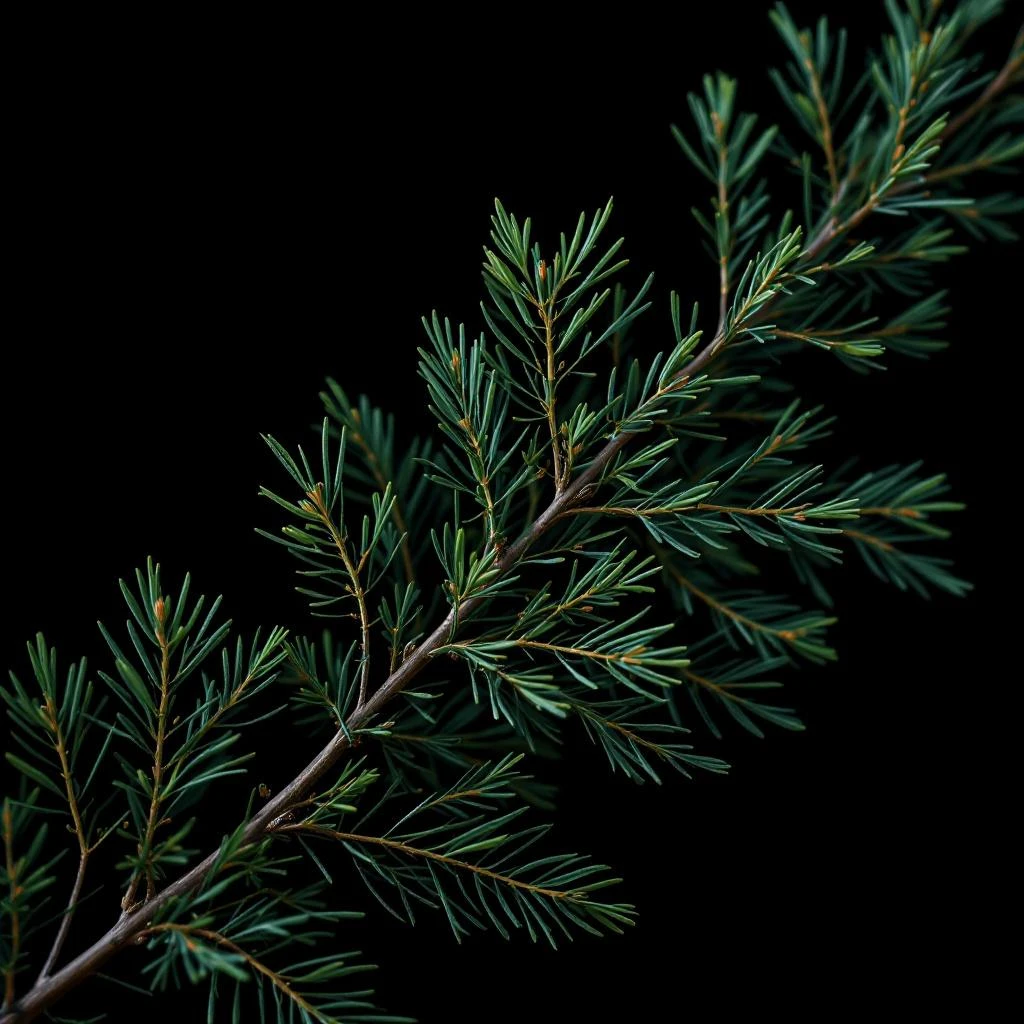

Origin
Italy
Stone pine has shaped Mediterranean landscapes and culture for millennia. Ancient Greeks burned pine resin as temple incense, believing it honored Zeus. Roman physicians documented pine remedies for respiratory and muscular ailments.
The tree appears in ancient Egyptian medicinal texts and classical Greek literature. Mediterranean communities relied on pine nuts as food, oil, and trade goods. Traditional Chinese and Ayurvedic medicine incorporated pine for its therapeutic properties.
The umbrella-shaped canopy has defined Mediterranean coastlines for centuries. Sailors and traders recognized stone pine by sight during long voyages. This cultural heritage established pine as a foundational perfumery ingredient across Western civilization.
Wears it best
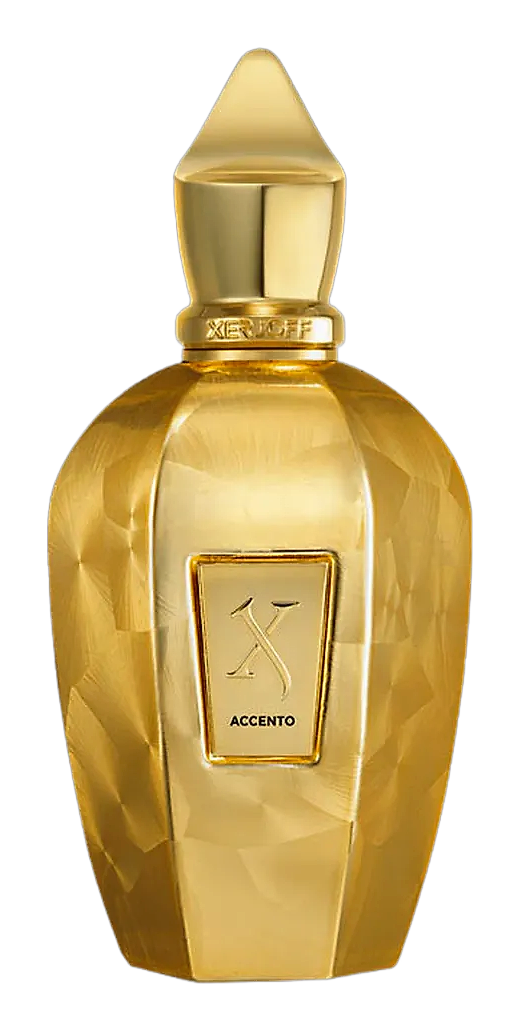
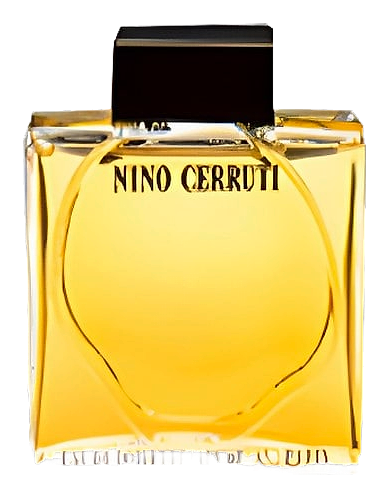
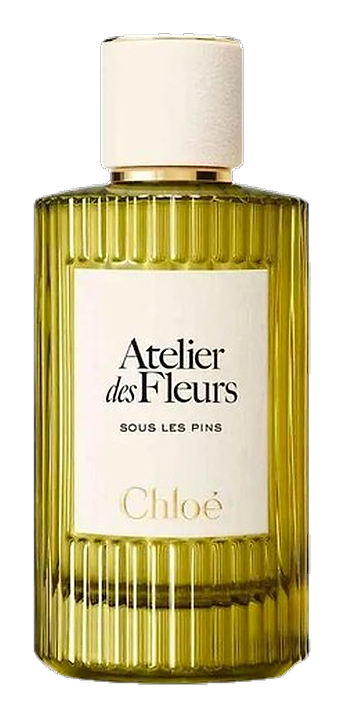
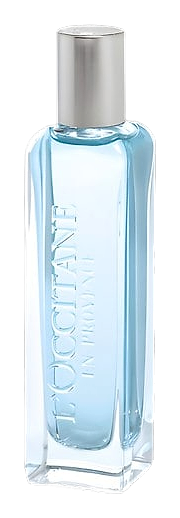
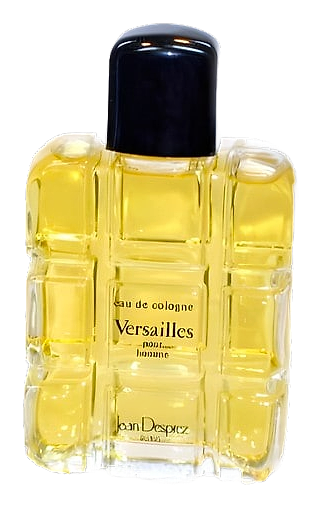
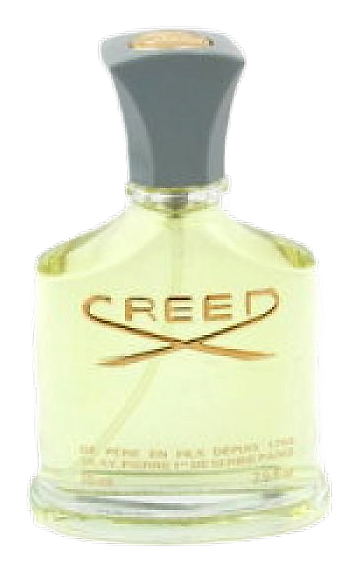
Fragrances featuring Stone pine


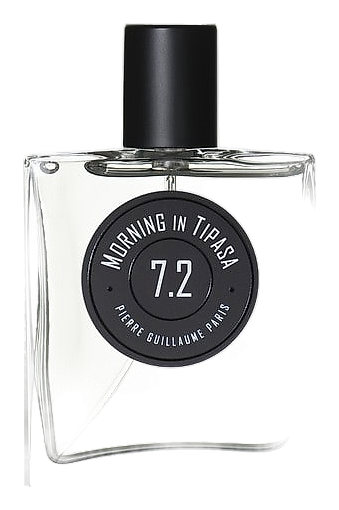
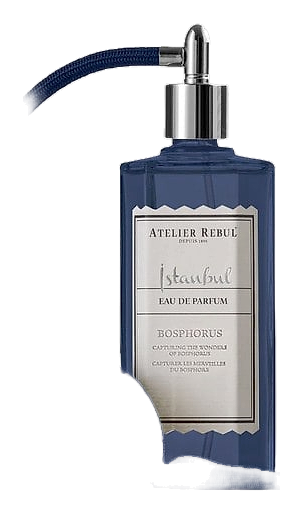
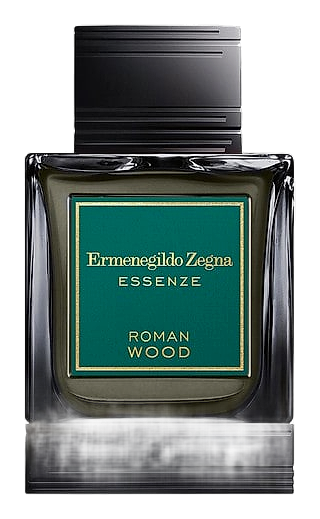
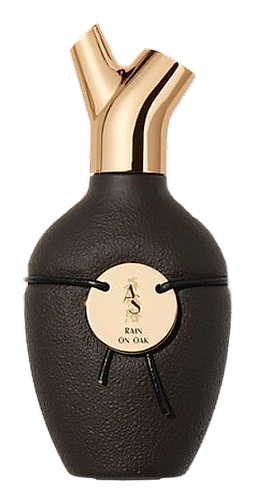
Brands
Brands known for Stone pine
Good to know
Questions, answered
The essentials on Stone pine in perfumery: how it smells, where it comes from, and how it behaves on skin.
What does stone pine smell like?
Stone pine has a fresh, crisp, coniferous scent with resinous warmth and subtle balsamic undertones. The aroma carries a distinctly Mediterranean character that feels sun-dried and slightly sweet compared to other conifer oils.
How is stone pine oil extracted?
Steam distillation of needles, young twigs, and cones produces stone pine essential oil. The process takes several hours and yields approximately 1-2% oil from the raw plant material, depending on source quality.
Where does stone pine grow?
Stone pine thrives across the Mediterranean basin, particularly in Italy, Spain, Greece, and Turkey. The species tolerates coastal conditions, sandy soils, and drought, making it ideal for Mediterranean climates.
Is stone pine oil safe for skin use?
Stone pine oil may cause skin sensitization in susceptible individuals. Always dilute before topical use, avoid during pregnancy, and consult a healthcare provider for therapeutic applications.
How does stone pine differ from other pine oils?
Stone pine oil offers a sweeter, more refined character than Scotch pine oil, which tends toward turpentine-like harshness. Compared to Siberian pine, stone pine has earthier depth with less cold, sharp intensity.
What are the main aromatic compounds in stone pine?
Alpha-pinene comprises 70-90% of stone pine oil, providing the dominant fresh, piney note. Additional compounds like beta-pinene, limonene, and bornyl acetate add complexity and subtle citrus or balsamic qualities.
Can stone pine be created synthetically?
Synthetic alpha-pinene exists and appears in many commercial fragrances. Natural stone pine oil retains a more nuanced profile that single-molecule synthetics cannot fully replicate.
What types of fragrances use stone pine?
Stone pine appears in masculine fragrances, outdoor scents, and seasonal winter perfumes. Perfumers also use it in masculine chypres and oriental compositions for depth and natural character.