
The Story
Why it exists.
The beginning
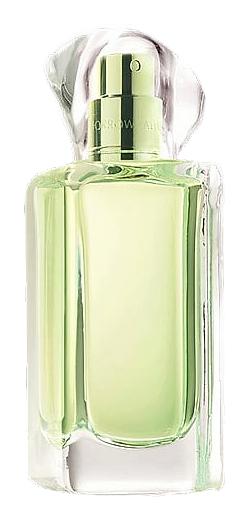
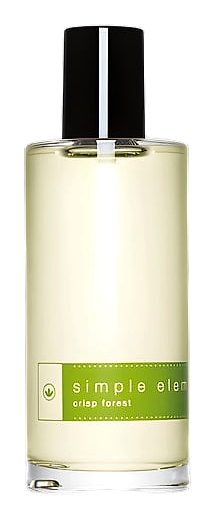
The Simple Elements line was Avon's answer to a quieter question: what if a fragrance didn't try so hard? Crisp Forest arrived in 2009 as part of a collection built around singular sensory ideas, cotton, meadow, rain. Each one named for what you'd actually notice. Crisp Forest chose conifers, and chose them honestly. No forest fantasy, no amber-warmed woods pretending to be nature. Just the real thing: cypress, pine, the cool green smell of trees after a cold night. It was Avon stripping back the performance expectations and letting the materials speak.
What makes this composition interesting is the restraint. Most woody fragrances load the base with heavy hitters, oud, sandalwood, cedar, to announce themselves. Crisp Forest uses cashmere wood and birch leaf instead. These materials give softness without sweetness, a woodiness that reads more like paper birch in winter light than like a cabinet. Combined with vetiver's root-earth quality and patchouli's understated warmth, the base becomes less a destination and more a place you settle into. The real star is the top: three coniferous notes (cypress, bergamot, stone pine) that open the way a forest clearing smells at sunrise, sharp, cold, alive.
The evolution
The opening hits immediately with cypress and stone pine, a cold, resinous burst that doesn't ease in. Bergamot appears briefly, a flicker of citrus brightness that prevents the conifers from feeling too austere. Within twenty minutes, the pine softens. Vetiver moves forward, adding an earthy, slightly smoky quality that grounds the green notes. This is the heart of the fragrance: green without grass, fresh without water, wood without warmth. Three to four hours in, the drydown arrives, cashmere wood and birch leaf creating a quiet, papery softness while patchouli lingers in the background. By the fifth or sixth hour, what's left is a faint trace of vetiver and conifer resin on skin. On clothing, the pine note can last until the next day.
Cultural impact
Simple Elements Crisp Forest exists in a specific moment: 2009, when fresh and aquatic fragrances dominated but green woods were less common. It offered an alternative to the ozone-water-bamboo mainstream, coniferous, honest, less about image and more about the actual smell of trees. Wearers who gravitate to it tend to appreciate restraint over projection, and authenticity over artifice. The fragrance finds its audience quietly, without demanding attention.