The Story
Why it exists.
The beginning
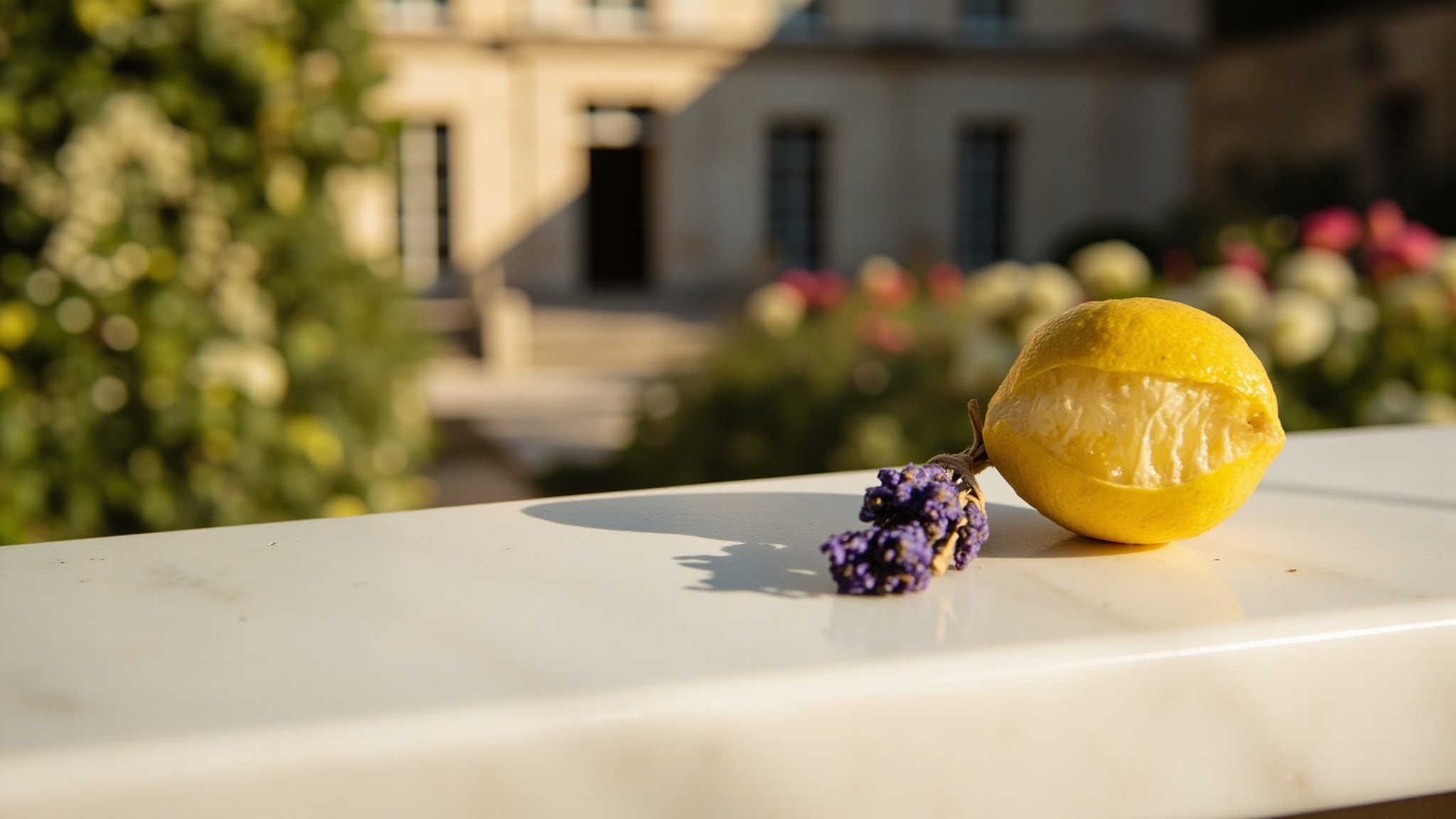
Ambree comes from Jardin de France, a French fragrance house founded in 1910 with a garden-inspired identity and a taste for quiet, classic compositions. The house's world is rooted in fragrance as a meeting point between nature and memory, so Ambree reads less like a loud novelty and more like a polished garden moment: Amalfi lemon and lavender in the opening, jasmine and rose at the center, then amber, patchouli, and vanilla underneath. Expressions Parfumees Grasse is credited as the perfumer. No launch year is verified for Ambree, so its story lives in the contrast of its materials rather than a documented date.
The composition's character comes from its handoff between brightness and weight. Amalfi lemon gives the first impression a clean, sunlit snap, while lavender introduces a herbal calm. Jasmine and rose bring a soft floral middle, and the base turns richer with amber, patchouli, and vanilla. That progression makes Ambree more dimensional than a simple citrus cologne. It moves from the crispness of sunlit stone to the warmth of earth and skin without losing its polished French ease.
The evolution
Ambree begins with a clear citrus snap: Amalfi lemon flashes first, with lavender smoothing the edges. As the opening settles, jasmine and rose bring a more intimate floral center, like blossoms warmed by late-afternoon light. Then the fragrance changes register. Patchouli gives the drydown a quiet earthy shadow, amber adds a golden glow, and vanilla leaves a soft, rounded finish. The lemon may fade before the base does, which makes the final hours feel warmer and more tactile. On skin, expect a 4-6 hour arc with moderate sillage, settling close as the flowers give way to vanilla, amber, and patchouli.
Cultural impact
Ambree sits within Jardin de France's cultivated French garden register, where fragrance is treated as a private discovery rather than a status signal. Its Amalfi lemon and lavender pairing evokes sunlit Mediterranean and domestic garden associations, while rose, jasmine, amber, vanilla, and patchouli add layers of classic European perfumery. It suits the wearer who likes polished floral softness and a little patchouli darkness beneath the brightness.
The House
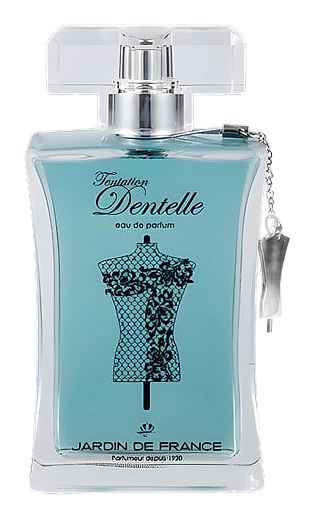
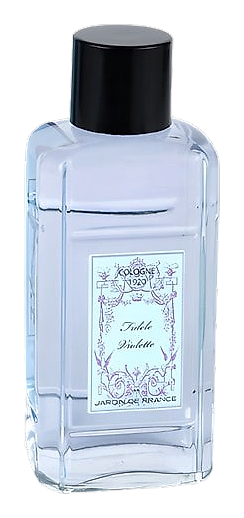
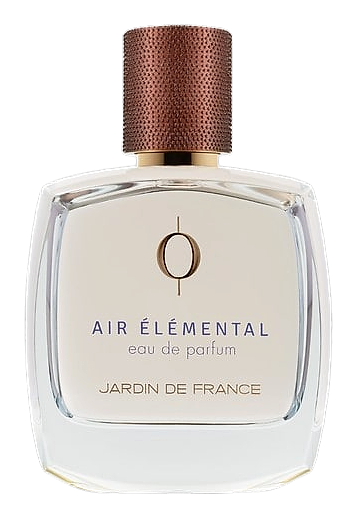
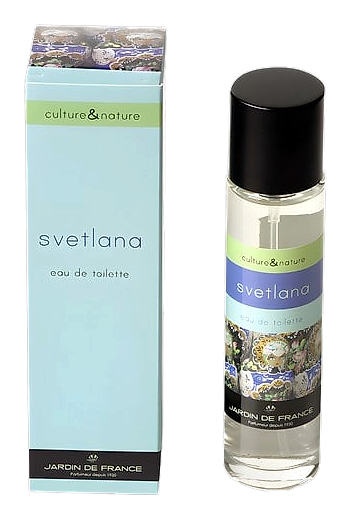
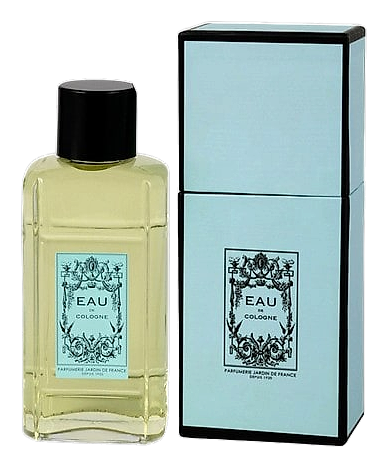
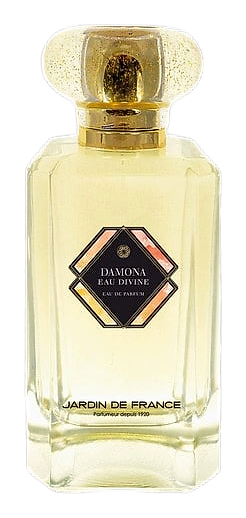
Jardin de FranceJardin de France is a French fragrance house that quietly curates scents rooted in the garden‑inspired heritage of its namesake. The portfolio reads like a stroll through a historic orchard, with classics such as Violette and Lilas sitting beside modern compositions like Air Elemental (2018) and Ouranos Eau Céleste (2014). Each bottle promises a moment of quiet discovery, whether the wearer seeks the crisp bite of ginger in Gingembre or the earthy calm of Vetiver. The brand remains modest in its public profile, yet its creations have earned a steady following among collectors who value consistency and a subtle sense of place.
The Creator
Expressions Parfumees GrasseThe signature of Expressions Parfumees lies in its layered architecture. A typical composition opens with a bright top, often a citrus burst or a sparkling aldehyde, then settles into a heart built from floral or aromatic notes that echo the region’s gardens.