The Story
Why it exists.
The beginning
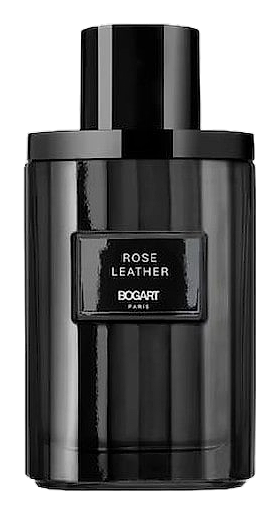
Julien Rasquinet composed Rose Leather for Jacques Bogart in 2026, and the name does exactly what it promises. A rose that doesn't behave like a rose, anchored to leather from the first breath to the final drydown. The composition pairs Turkish rose absolute with raspberry and saffron at the top, geranium and ginger in the heart, and leather, amber, and Mysore-type sandalwood at the base. It's a structure that asks the floral to do something heavier than its usual job, and the rose accepts. Rose Leather arrives through Groupe Bogart, which markets the house's releases. There is no borrowed vocabulary here, only an arrangement that makes the central tension between flower and hide feel inevitable rather than clever. The result reads as a statement of intent.
What separates this rose from a dozen others on the market is the company it keeps. Raspberry and saffron open the composition with sweetness running up against dry, slightly bitter spice, setting up tension that the floral heart has to answer to. Geranium adds a metallic, almost mineral edge to the rose, preventing it from turning powdery or soapy. Ginger threads through the heart with a clean burn that keeps everything moving forward. The interplay between geranium's cool sharpness and ginger's heat gives the rose a frame it normally doesn't get.
The evolution
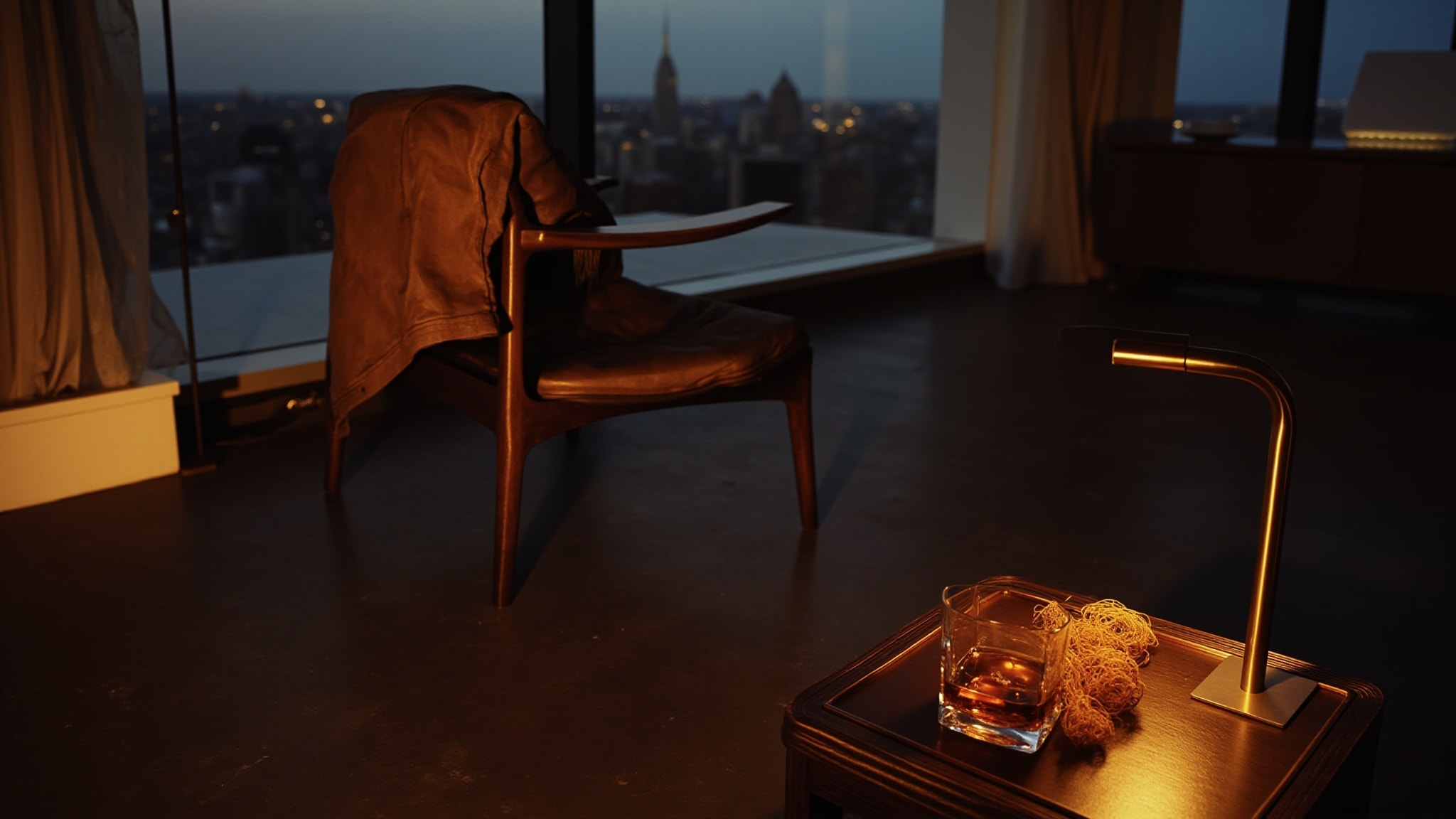
The first ten minutes are a conversation between raspberry and saffron, fruit leaning jammy, spice leaning dry and almost smoky. Nothing floral yet. By the twenty-minute mark, rose pushes through, and it arrives with company. Geranium sharpens it, ginger heats it from below, and the whole thing starts to smell like a jacket that's been worn to one too many good dinners. The spices don't fade so much as get absorbed into the florals, leaving a trail of warmth that reads more as atmosphere than as individual notes. At the two-hour mark, the leather settles into its final form. Amber and sandalwood round the edges, pulling the rose down into something warm and close. The base accords take over the composition, with the leather doing most of the structural heavy lifting as the geranium fades and the ginger loses its initial sting.
Cultural impact
Rose Leather trades on a leather-and-saffron combination that pulls from a recognizable niche vocabulary while stopping short of the rose-oud conventions that have become familiar. The leather and saffron pairing builds a bridge between two ideas without having to commit to the resinous density of oud, keeping the composition wearable and less polarizing than fuller rose-oud releases. Saffron brings a spiced, almost cured-leather impression that pairs naturally with both the flower and the base, doing some of the work oud usually does without the animalic intensity.
The House
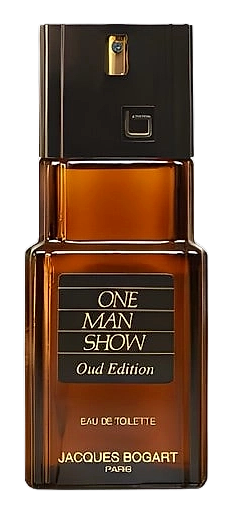
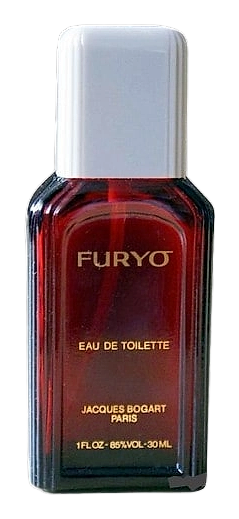
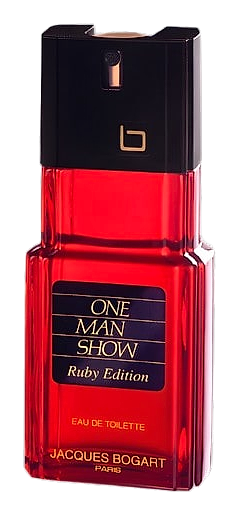
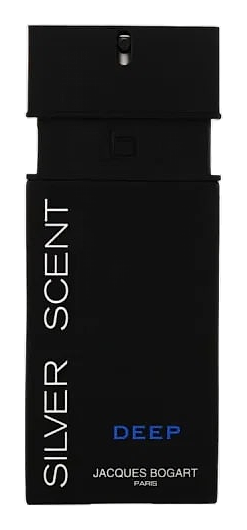
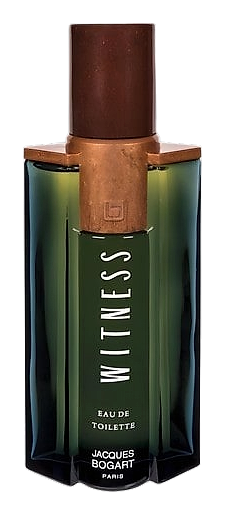
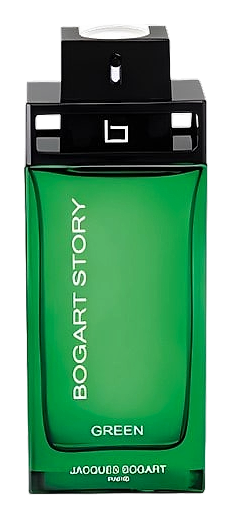
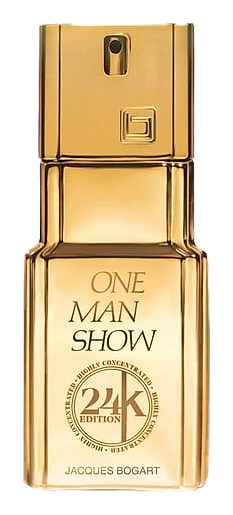
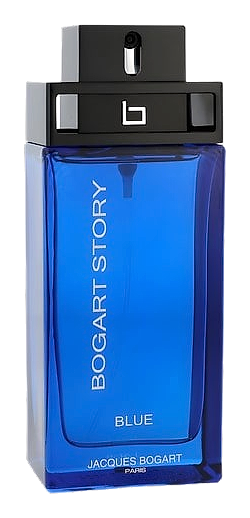
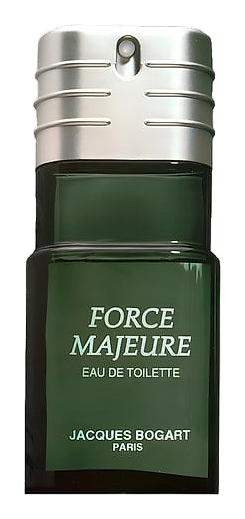
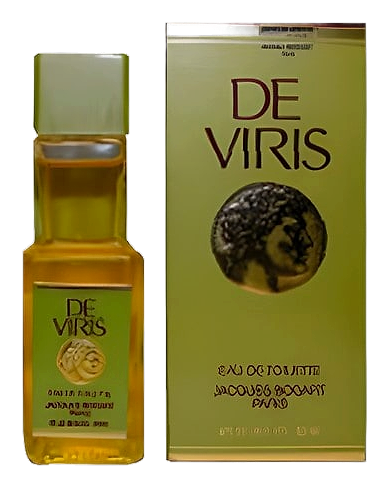
Jacques BogartSince 1975, Jacques Bogart has held to a single conviction: men deserve their own fragrance culture. Founded in Paris the same year, the house operates under the banner "I create only for men" and has spent nearly five decades building a masculine universe that speaks directly, without compromise or apology. Jacques Bogart fragrances project presence, durability, and the kind of originality that transcends seasonal trends. The brand remains a pillar of its parent company, Groupe Bogart, an independent French family enterprise that also owns twelve fragrance and cosmetics labels alongside a network of nearly 450 selective perfumeries across Europe and the Middle East.
The Creator
Julien RasquinetBold, unexpected combinations define Rasquinet's signature. He constructs fragrances that are simultaneously dramatic and harmonious, pushing material boundaries while maintaining wearability.