The Story
Why it exists.
The beginning
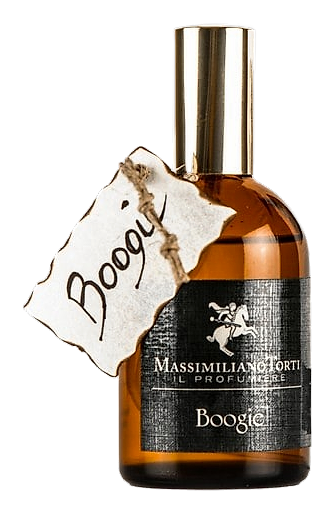
Boogie arrived in 2010 from Massimiliano Torti at Il Profumiere, the Florentine house that treats scent as personal cartography. The name itself is a declaration, suggesting movement, rhythm, a certain looseness in the hips. But the composition tells a different story. This is structured Italian perfumery with a wink. Torti built it around a tension: the bright, almost electric citrus opening that gives way to something warmer, more deliberate. The rose doesn't hide in the background here. It steps forward, unapologetic, woven through cardamom and black pepper. It's the fragrance for someone who walks into a room and doesn't need to announce themselves, because the scent does it for them.
What makes Boogie interesting is how the warm spices don't overwhelm the citrus, they complicate it. Nutmeg sits between the lemon and mandarin, adding an aromatic depth that keeps the opening from being simply refreshing. The rose in the heart is bold, almost defiant, paired with black pepper that adds texture rather than heat. And the base, amber and patchouli, grounds everything without heavy-handedness. White musk keeps it close to the skin rather than projecting loudly. The result is a fragrance that reads as confident without being aggressive, warm without being heavy. It's the kind of composition that rewards attention.
The evolution
The opening is immediate: bergamot, lemon, mandarin orange arrive together in a bright, almost electric burst. The nutmeg sits underneath, adding an aromatic complexity that prevents the citrus from being simply refreshing. The warm spices take over next, cardamom and black pepper arrive with the rose, which doesn't soften or retreat. Then the base notes settle in: amber and patchouli create a warm, slightly earthy foundation while white musk keeps everything close to the skin.
Cultural impact
Boogie occupies a specific space in the niche market: confident without being aggressive, warm without being heavy. The name suggests movement and rhythm, but the composition is classical Italian perfumery with a wink. It's the fragrance for someone who chooses it deliberately, not because it was recommended, but because they recognized something in it.
The House
Il ProfumiereIl Profumiere is an Italian niche perfume house that blends Florentine tradition with contemporary olfactory storytelling. The brand offers a curated catalogue of scents—such as Passiflora Rouge (2000) and Dubai Sahara (2008)—that aim to evoke specific places, memories, and moods. Each fragrance is presented as a compact, artful bottle, inviting collectors to explore a sensory map of Italy and beyond.
The Creator
Massimiliano TortiTorti’s signature technique, which he calls “olfactory stratification,” layers base, heart, and top accords in a way that invites the wearer to rearrange the perfume throughout the day. He favors natural absolutes, rare botanicals, and vintage extracts, often pairing Tuscan la…