
The Story
Why it exists.
The beginning
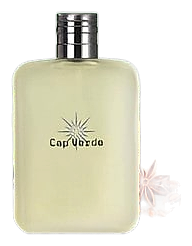
Cap Verde came out of a house that works in series, and you can feel it in the structure of the formula. The composition builds around bergamot and mandarin for its top notes, both citrus, both carrying that clean pithy sweetness you get when fruit is genuinely ripe. Clary sage and lavender handle the middle register, giving the fragrance an aromatic backbone that keeps it from drifting into simple cologne territory. Then vetiver and patchouli anchor the base, earthy and dry, the sort of foundation that makes everything above it feel grounded rather than fleeting.
What makes Cap Verde worth a second look is the way it handles its aromatics. The clary sage and lavender work together as an aromatic pair, and the interplay between them is where the composition shows its hand. Lavender typically pulls a fougère toward its barbershop register, and clary sage has that herbaceous sharpness that can either anchor or overwhelm depending on how it's weighted. Here the two find a middle path. Star anise appears in the heart notes, and it shifts the lavender's character, pushing it somewhere warmer and more unusual than the standard aromatic template.
The evolution
The opening belongs to the citrus. Bergamot and mandarin arrive together, and they set the tone immediately: bright, clean, and uncomplicated. Clary sage threads underneath almost from the start, giving the citrus something to lean against rather than just floating free. The combination reads as fresh and confident, the kind of opening that announces itself without shouting. As the fragrance moves past its opening phase, the citrus begins to recede and the lavender takes a more central role. What makes this transition interesting is the star anise, which introduces a warmer, spiced quality into the heart of the composition. The anise doesn't dominate, but it shifts the overall character enough that the fragrance briefly reads as something different from what it was at the start, warmer and more aromatic than the opening suggested. That shift passes as the drydown begins.
Cultural impact
Cap Verde holds its own as a warm-weather aromatic, and it appeals to wearers who want something fresh without tipping into the overly aquatic or synthetic territory that dominates many summer releases. It reads as a composed, well-built fragrance rather than a novelty, which gives it staying power in a rotation. Wearers who appreciate the aromatic fougère tradition tend to find it accessible but distinct, with enough personality in the star anise and the sage to set it apart from more conventional citrus colognes.