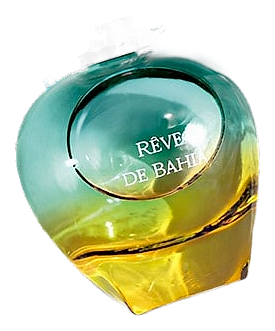

The Story
Why it exists.
The beginning
Angéline Leporini created Rêve de Bahia in 2014. The name is the dream of Bahia, the state on Brazil's northeast coast, where the Atlantic is warm, the music is unhurried, and the light at midday sits low and golden over the water. Leporini translated that specific quality of Brazilian coastal light into scent: the initial burst of caipirinha citrus, the retreat into shade where coconut water is passed hand to hand, the slow exhale into evening when the air finally cools against sun-warmed skin.
Most tropical fragrances lean on coconut cream or sun-ripened fruit. Rêve de Bahia takes a different route. The caipirinha accord, lime, sugar cane, a whisper of cachaça bitterness, captures something more specific: the drink you'd find at a beachside barraca in Salvador or Rio, not the concept of a tropical cocktail. The sugar cane note does quiet work here, bridging the citrus opening and the coconut water heart, ensuring the fragrance feels like something you could drink rather than just smell. It's the detail that makes the difference between a fragrance that evokes Brazil and one that merely references it.
The evolution
The opening arrives fast. Lime zest and bitter orange hit the skin with the snap of a fresh-cut slice, sugar cane lending sweetness before the citrus even settles. Within twenty minutes, the coconut water surfaces, cool, almost translucent, like condensation on a glass held too long in the sun. Jasmine and lily come forward next, their white floral warmth filling the space the citrus vacates. The transition is seamless; there's no moment where the fragrance seems to drop. By the third hour, vanilla thickens the air close to the skin, tropical woods adding a dry, sun-warmed edge that keeps the sweetness from ever becoming cloying. The drydown is intimate, you have to lean in to find it, but it's there for another two hours, skin-warm and unhurried.
Cultural impact
Rêve de Bahia arrived at a moment when niche perfumery was rediscovering geographic specificity as a creative framework. ID Parfums' geographic series used scent as a medium for place-making, translating destinations into olfactory compositions rather than generic tropical fantasies. The caipirinha reference was particularly significant, it captured a specific Brazilian drink rather than a vague 'tropical' concept, signaling a shift toward culturally precise fragrance storytelling. This approach influenced subsequent niche releases that drew on regional beverages, street foods, and local botanicals as aromatic source material.