Tropical Woods
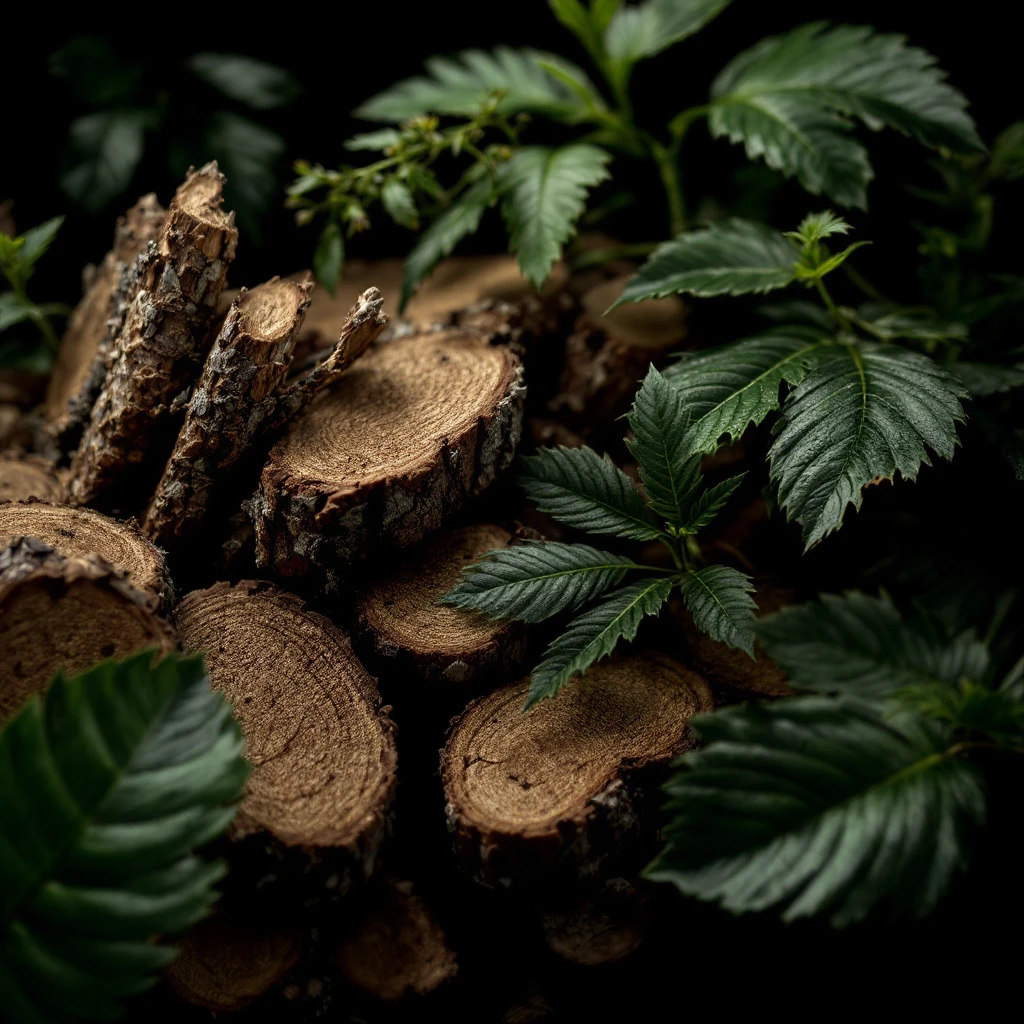
Tropical woods form the backbone of countless fragrances. From the rare darkness of agarwood to the creamy warmth of sandalwood, these materials ground compositions with depth that synthetic molecules rarely achieve.
Character
How it smells
Where ancient forests meet modern perfumery.
The agar tree must be infected with a specific mold before it produces the precious resin that becomes oud - a process that takes decades and sometimes never occurs naturally.



Origin
Southeast Asia
Tropical woods have shaped perfumery across centuries and civilizations. Oud appears in records from Mesopotamian and Egyptian cultures, where its rarity made it a symbol of wealth and status. The aromatic resin develops when the agar tree becomes infected with a specific mold - a process that can take decades in nature, which explains why cultivated infection methods have gained importance.
Sandalwood has held sacred significance in Indian and Southeast Asian traditions for over 4,000 years, with Mysore sandalwood remaining particularly prized for ceremonial use. Vetiver has served Caribbean and South Indian communities in practical applications for centuries, with the distillation of its roots becoming standardized in the 18th century. African tropical regions contribute materials that remain less documented in Western literature but hold equal importance in traditional perfumery.
The global trade of tropical woods connects forests across South America, Africa, and Southeast Asia, each region offering distinct species that have defined regional fragrance traditions.
Wears it best
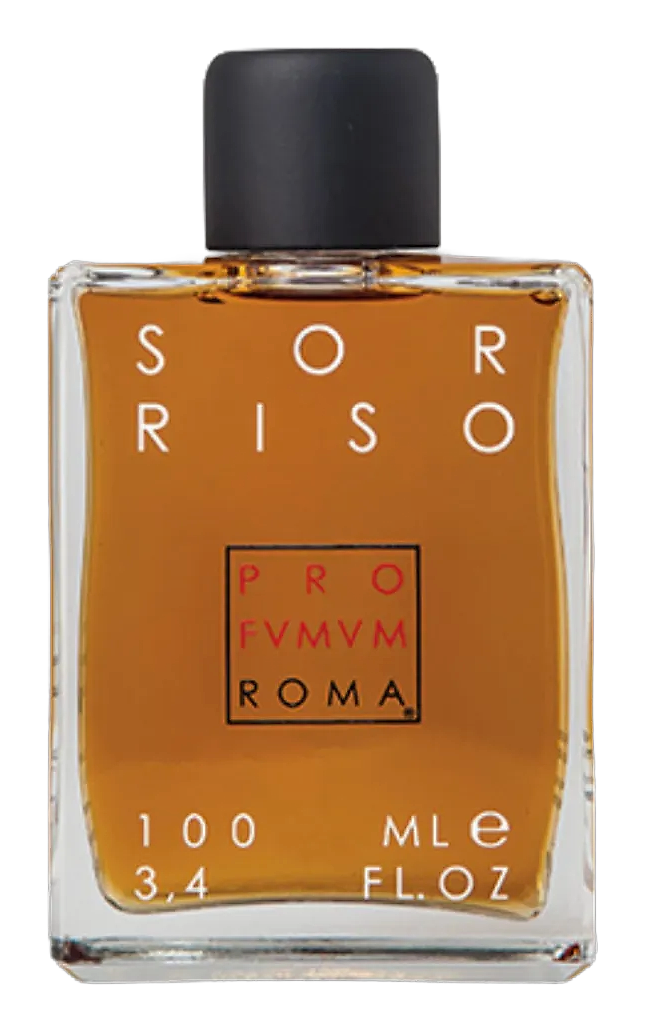
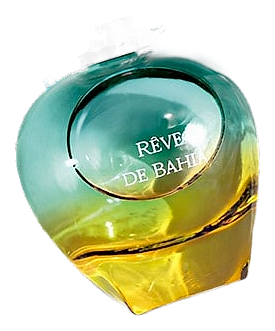
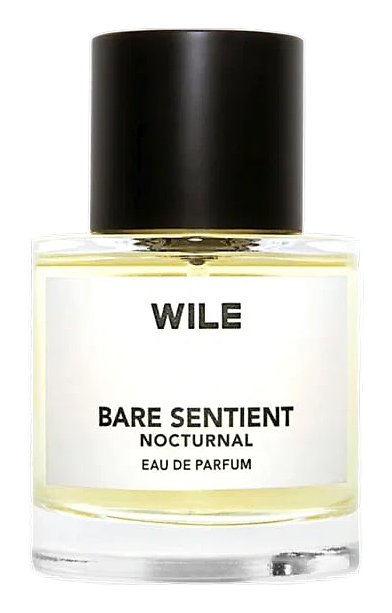
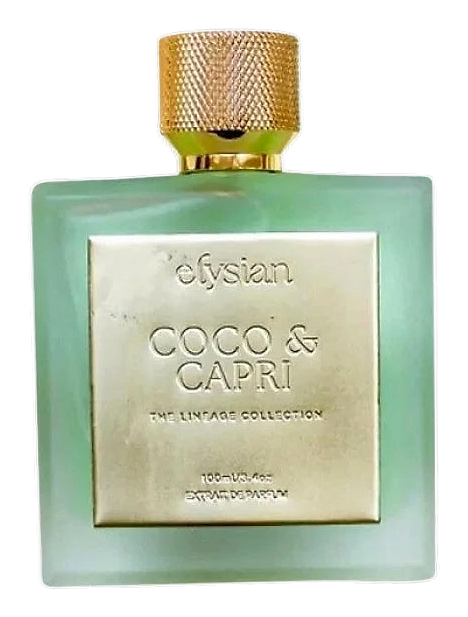
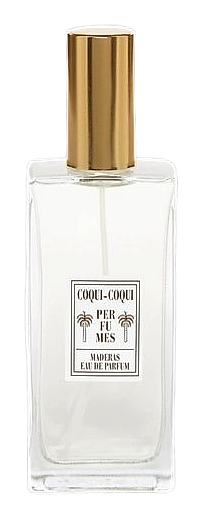
Fragrances featuring Tropical Woods

Brands
Brands known for Tropical Woods
Good to know
Questions, answered
The essentials on Tropical Woods in perfumery: how it smells, where it comes from, and how it behaves on skin.
What does tropical woods smell like?
Tropical woods span a wide aromatic spectrum. Agarwood offers resinous, almost medicinal depth with animalic undertones. Sandalwood provides creamy, sweet woodiness. Vetiver delivers smoky, earthy warmth. The category shares a grounding quality that anchors lighter notes.
Which tropical wood is the most expensive?
Oud holds the distinction of being the most valuable perfumery material. Natural agarwood oil can cost over $30,000 per kilogram, driven by the rarity of infected trees and the decades required for natural resin formation.
Is tropical wood a single ingredient or category?
Tropical woods is a perfumery category encompassing multiple species. Sandalwood, agarwood, vetiver, rosewood, and cedar fall within this grouping. Each brings distinct aromatic properties that perfumers combine for layered depth.
How do perfumers source sustainable tropical woods?
Certification programs like FSC address forestry concerns for some species. Cultivated agarwood plantations now supply significant market volume. Sandalwood from plantations in Australia and New Caledonia reduces pressure on wild populations.
Can tropical woods be extracted naturally?
All materials labeled tropical woods in natural perfumery derive from plant sources. Steam distillation, hydrodistillation, and solvent extraction are common methods. CO2 extraction has expanded possibilities for capturing complete aromatic profiles.
Why do tropical woods dominate fragrance bases?
Woody materials provide fixative properties that slow evaporation of lighter top notes. Tropical species often contain heavier molecular structures that create lasting dry-down characteristics essential for fragrance longevity.
What distinguishes tropical woods from other wood notes?
Tropical species grow in latitudes below 25 degrees, producing denser, more resinous materials than temperate woods. The humidity and biodiversity of tropical forests contribute to complex aromatic profiles rarely found in boreal species.
How has overharvesting affected tropical wood availability?
Indian sandalwood became so depleted that plantations in Australia now dominate commercial supply. Hawaiian sandalwood remains endangered. Some species face trade restrictions under CITES, pushing perfumers toward alternative materials.