
The Story
Why it exists.
The beginning
Madras, now Chennai, was once the beating heart of India's spice trade. Coromandel Coast. Pepper, cinnamon, nutmeg flowing through bazaars thick with dust and commerce. ID Parfums, founded in France in 1996, built their house around this exact premise: scent as passport. Each fragrance a destination. Madras arrived in 2009 as the house's ode to that port city, translating its aromatic history into something wearable. Not a reconstruction. A memory of a place, captured in a bottle.
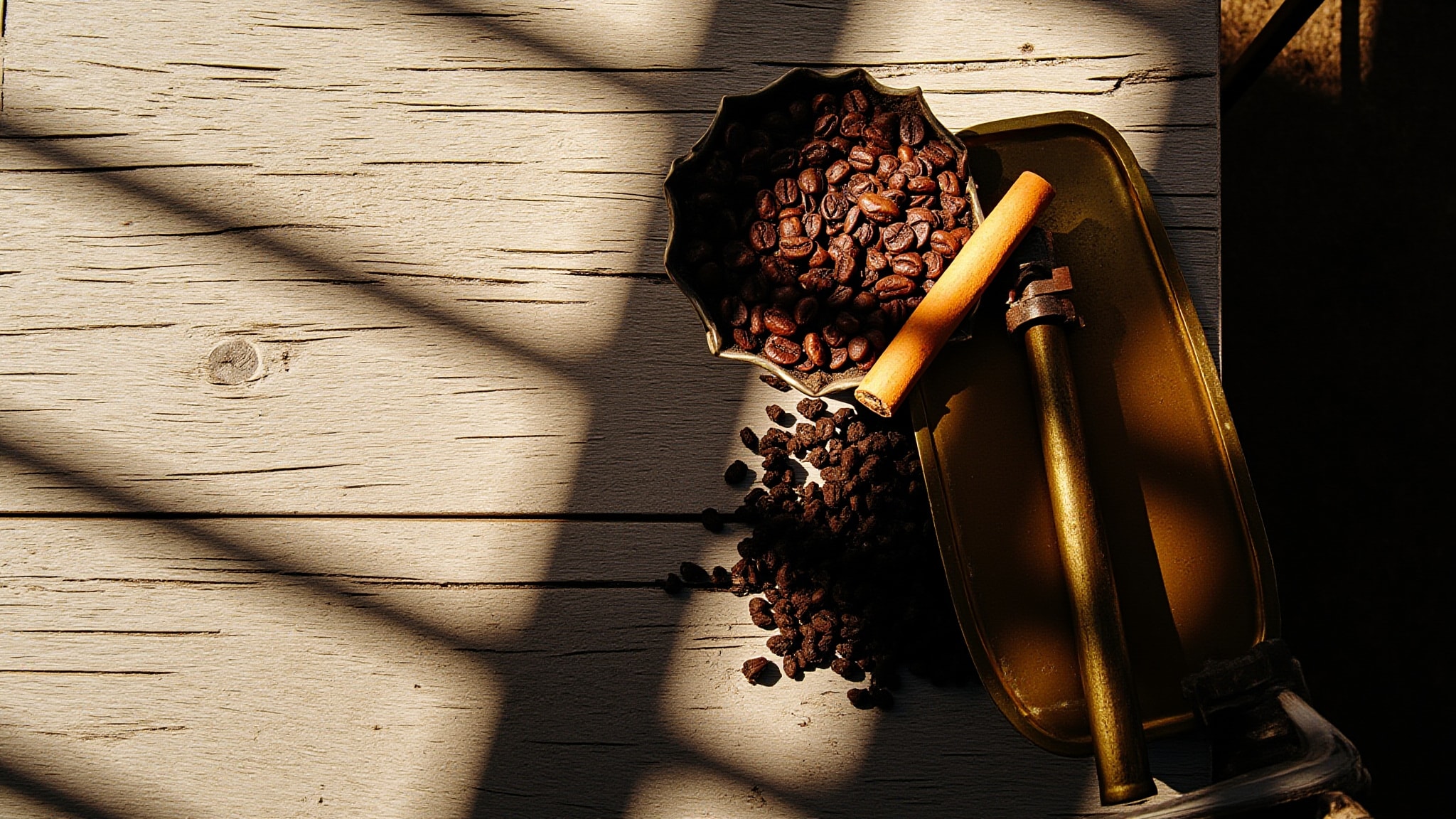
What makes Madras interesting is the tension in its structure. Pepper opens sharp, almost confrontational. Coffee arrives bitter and dark. Two notes that shouldn't agree, and yet the cinnamon, nutmeg, and tonka bean pull them together. The composition resolves into warmth, not chaos. Australian sandalwood and guaiac wood anchor everything, giving the drydown a creamy, slightly smoky quality that lingers close to skin. The spice market in a bottle: bright entrance, warm middle, intimate finish.
The evolution
The opening hits fast, black and pink pepper announce themselves with zero hesitation. This phase lasts maybe 15 minutes before the coffee note rises, tempering the spice into something softer. Cinnamon and nutmeg layer in, turning the middle warm without sweetness. The handoff to base notes takes 1-2 hours on most skin types, arriving as sandalwood and tonka bean blend into a powdery, slightly gourmand drydown. Guaiac wood appears in the far drydown, giving a smoky-resinous whisper before the whole thing fades. Most wearers get 4-6 hours. The sillage stays moderate, present to those close, invisible to the room.
Cultural impact
ID Parfums occupies a particular corner of French niche perfumery, travel as methodology, not just metaphor. Launched in 2009, Madras falls within the house's mature period, after earlier geographic studies of Anna (1996), the American South (Charleston, 2004), and before Southeast Asia (Ilaya, 2007). The fragrance is part of the house's "La Route des Épices" collection, the spice route, placing it explicitly within a narrative of trade, exchange, and distant places. Within that context, Madras is one of the house's more assertive compositions, built for wearers who want spice without subtlety.