The Story
Why it exists.
The beginning
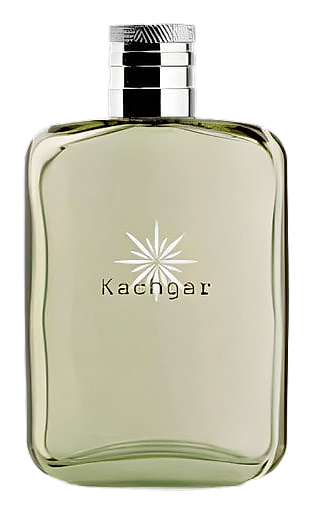
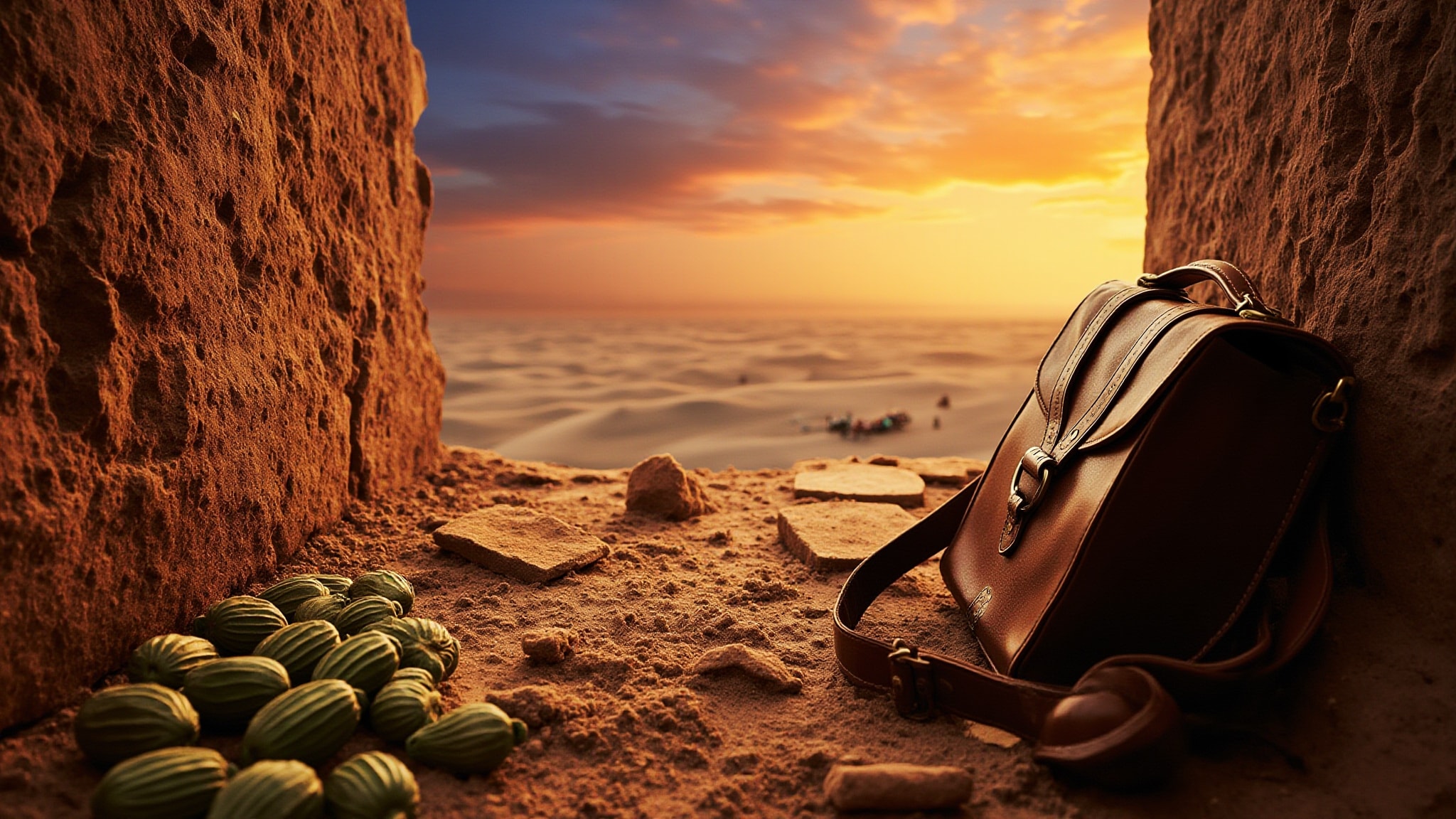
Kashgar sits at the edge of the Taklamakan Desert, where the northern and southern branches of the Silk Road converged. For centuries, merchants brought cardamom, cinnamon, and sandalwood through its gates, a city built on the movement of precious materials. Karine Dubreuil Sereni designed Kachgar to capture that convergence: the sharp brightness of citrus meeting the deep warmth of spice and wood, all pulled into a single composition. Released in 2009, the fragrance translates the sensory texture of a trading hub, its noise, its sweetness, its heat, into something you can carry on skin.
The structure is deceptively simple: two citrus oils, two spices, four base materials. What makes it work is the weight. Cardamom and cinnamon arrive fast and don't apologize for being there. They don't wait politely for the drydown, they assert themselves over sandalwood's creaminess and vanilla's sweetness, keeping the fragrance from sliding into comfort. The amber does quiet work underneath, binding everything together so the composition holds its shape over four to six hours. It's Oriental without default, built from materials that earned their place, not assembled from obligation.
The evolution
The opening hits clean. Bergamot and mandarin orange arrive bright, almost sharp, the first thirty minutes feel like stepping into a market at noon. Then cardamom takes over. Not a gentle transition. The spice asserts itself immediately, pushing the citrus toward the background where it stays, present but no longer leading. Cinnamon follows within the hour, adding a sweet edge that keeps the warmth from going medicinal. By the third hour, sandalwood and amber have emerged fully. Patchouli's earthiness stops the sweet notes from floating away. The vanilla extends things quietly, a faint warmth on skin the next morning, barely there but unmistakable. Moderate sillage. Close enough to feel, far enough to not announce.
Cultural impact
The name Kachgar draws direct inspiration from Kashgar, an ancient oasis city that once served as a critical junction along the legendary Silk Road. This trading route connected East Asia with the Mediterranean, facilitating not just commerce but an exchange of aromatic traditions. The inclusion of bright citrus notes like bergamot and mandarin reflects a long-standing appreciation in perfumery for zesty, energizing top notes that evoke freshness and clarity. The combination speaks to a fragrance that bridges cultural memory with contemporary taste, appealing to those who seek scents with a sense of place and history.