
The Story
Why it exists.
The beginning
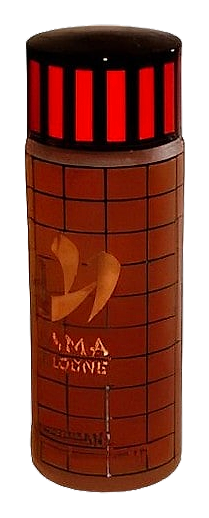
Yama arrived in 1967 from Houbigant, a French perfume house with a long, layered history in the craft. By the late sixties, the house carried decades of accumulated knowledge, the kind that comes from making scent after scent, year after year, until the grammar of composition lives in the hands of the people who blend it. Yama was launched into that tradition: a men's aromatic that arrived without needing to explain itself. There's a restraint to it, a kind of confidence that doesn't perform. It came out of a period when French houses were still defining what a masculine fragrance could be, and it settled into that conversation as something already finished, already comfortable in its own skin. No declarations. No theatrics.
What makes Yama worth a second look is the category it occupies without fanfare. It's an aromatic, but it doesn't behave like the bracing, obvious colognes that often define the genre. It reads warmer, steadier, closer to the skin than to the room. The composition carries a fougère sensibility in its bones, the herbal-green architecture that runs deep in this kind of fragrance, and Yama wears that lineage lightly. It's aromatic without being academic, classic without becoming a costume. The structure is confident enough to hold its shape without leaning on sharp edges or showy projections.
The evolution
Yama opens the way a good wool overcoat closes around you, close, warm, already familiar. The first minutes carry the aromatic lift, that bright, herbal brightness that signals a classic masculine without naming it. There's an immediate sense of something tailored, something pressed and ready, the olfactory equivalent of stepping out into cool air and feeling the day sharpen around you. By the half-hour mark, the opening has settled into something rounder, a heart phase that drinks its own warmth. The composition softens without losing its structure, becoming denser and more lived-in, the way a room settles after the first hour of occupation. Two hours in, Yama is something else: a quiet, woody drydown where the base does most of the talking. The warmth carries the rest of the day at skin level, grounded and steady. It doesn't project far. It doesn't need to.
Cultural impact
Yama occupies a particular place in the history of masculine fragrance: a 1967 aromatic that valued understatement over projection, warmth over sharpness. The scent shares a sensibility with other traditional aromatic compositions, the kind of herbal-warm-woody arc that rewards close attention rather than broad appeal. It found an audience among wearers who wanted something traditional without being theatrical, and its relative obscurity today makes it a quiet find for those willing to dig past the obvious shelves.