The Story
Why it exists.
The beginning
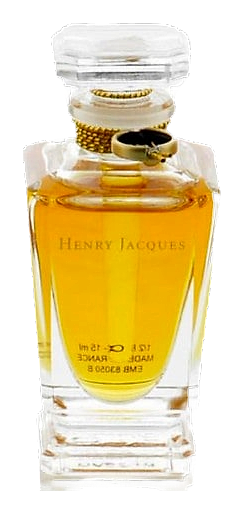
Swan sits within Henry Jacques's Les Classiques, the 50-icon collection drawn from the house's archive of compositions. The collection itself reads as a curated canon, a deliberate set of fifty scents that represent the breadth and sensibility of the maison's perfumery. Swan is part of that canon, and it wears its membership with quiet conviction. Its name suggests grace, the silent arc of the bird over still water, and the composition reads accordingly: a study in poise rather than volume, aromatic rather than loud. There is a restraint to the way Swan presents itself, a sense that the formula was composed with patience rather than urgency.
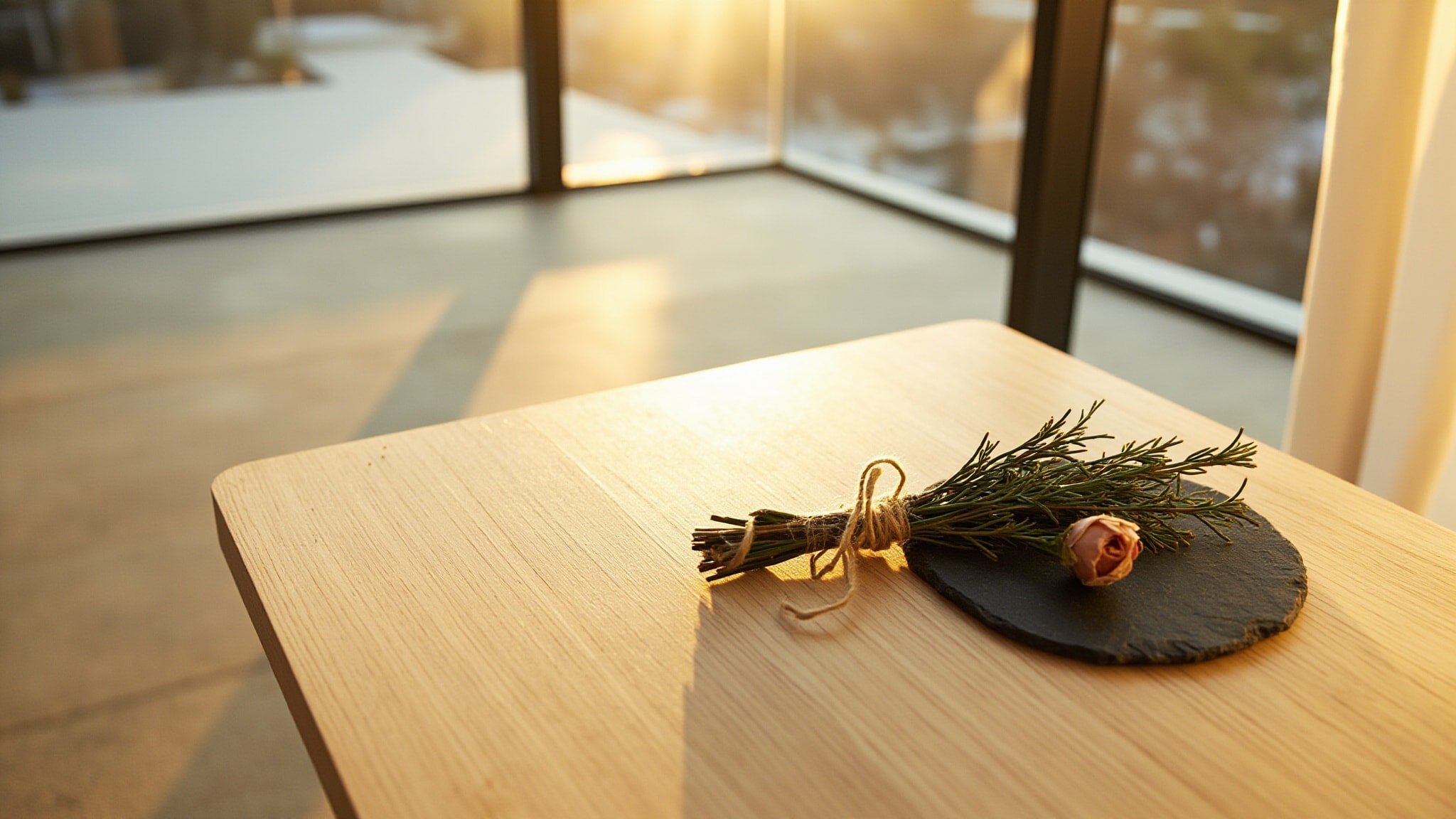
What makes Swan distinctive is the marriage of coniferous pine needle with Damask rose and Haitian vetiver, three materials that don't often share the same stage. The nutmeg and lavender in the opening give it an aromatic, almost apothecary character, the kind of accord that recalls a wooden drawer of dried herbs and warm spice. From the very first breath, there's a green, resinous quality to the pine, cool and sappy, threaded through with the soft warmth of nutmeg and the clean herbal edge of lavender.
The evolution
The first 20 minutes are where Swan is most talkative. They feel like a hush moment: pine resin, lavender that's been pressed between warm fingers, a ribbon of nutmeg threading through with quiet insistence. The green of the coniferous opening has a clarity to it, almost crystalline, like cold air drawn deep into the lungs on a winter morning. The rose doesn't rush. It enters around the 30-minute mark, folding itself into the coniferous air as if it grew there naturally, as if the pine and the petals had always been neighbors. By the second hour, the Haitian vetiver has taken over the conversation. Its earthy, root-driven depth carries a quiet density that grounds the whole composition into something contemplative and grown-up.
Cultural impact
Swan wears like a private signal, the kind of scent someone chooses because it suits them, not because anyone else needs to recognize it. The aromatic-woody register of the composition gives it a particular kind of presence, one that feels self-contained and intentional. It sits comfortably alongside the house's other Les Classiques, Roi Sans Equipage and Blue Vanille, as part of a canon built for personal pleasure rather than recognition. There's a quiet confidence to how Swan presents itself, a sense that the composition was built to be lived with rather than performed for an audience.