
The Story
Why it exists.
The beginning
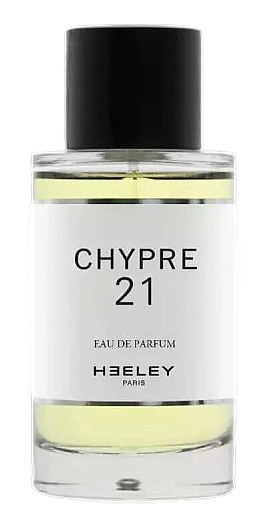
Chypre 21 exists because James Heeley wanted to rebuild the classic structure rather than replicate it. The classic French chypre, bergamot, rose, patchouli, sandalwood, oakmoss, has a century of history behind it. Heeley looked at that history and asked what the 21st century version would look like. Not a tribute. A reinterpretation. The answer is a fragrance that holds the same architectural elements but executes them with a cleaner hand, letting each material speak without the density of its predecessors.
The chypre structure is one of perfumery's foundational forms, built on a contrast between citrus freshness and mossy depth. What Heeley does here is isolate that contrast and refine it. The bergamot opens bright, but the oakmoss that follows isn't the heavy, almost medicinal moss of vintage formulations. It's present, intentional, and essential, but cleaner. The addition of saffron gives the heart a warm spice that modernizes the rose without making it sweet. It's the difference between studying a classic and rewriting it for a contemporary ear.
The evolution
Petitgrain and bergamot hit first, bitter-green and bright. The petitgrain gives it an herbal bite that bergamot alone wouldn't have. Within the hour, Bulgarian rose and neroli arrive. The neroli keeps it clean, almost soapy, while the rose softens. Then the saffron asserts itself. Warm. Slightly medicinal. The defining note of the heart. Six to eight hours in, the oakmoss takes over as the structural backbone. Not heavy, but present. The sandalwood and patchouli add creamy depth underneath, while musk keeps the finish intimate and close.
Cultural impact
Chypre 21 has found its audience among those who appreciate the chypre archetype but find vintage formulations too heavy. It's become a reference point for how traditional perfumery can be reinterpreted for a cleaner, more contemporary sensibility, particularly among wearers who prioritize minimalism and restraint.