The Story
Why it exists.
The beginning
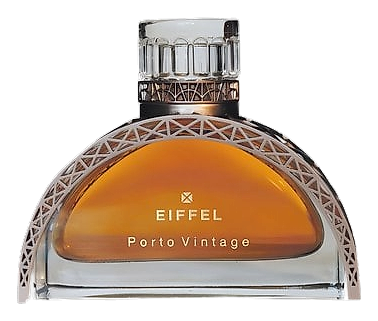
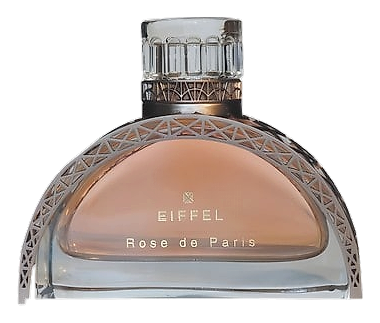
Rose de Paris arrived in 2016 from the house of Gustave Eiffel, a French fragrance brand with roots in Paris. The perfumer, Sidonie Lancesseur, was tasked with bottling the city's namesake bloom, not the candied rose of old-fashioned perfumery, but the one that climbs garden walls along the Seine in early summer, half-wild, half-cultivated. The brief was specific: capture a living flower rather than a syrupy impression of one. Lancesseur answered with a composition that opens on blackcurrant and freesia, moves through a heart of rose tempered by peach and jasmine, then anchors into moss and white musk. The result is a composition that feels deliberate in its proportions, each note chosen to support the others rather than compete for attention.
What defines Rose de Paris is its careful balance of contrasts. The blackcurrant top note adds tartness that keeps the bloom from turning confectionary, while the freesia introduces a cool greenness that reads clean and direct. The peach in the heart is velvet-soft rather than syrupy, functioning as a cushion between rose and jasmine, a quiet mediator that prevents either floral from overpowering the other.
The evolution
The first 15 minutes belong to blackcurrant, sharp and almost edible, cut by freesia's clean greenness. There's nothing romantic about the opening, it's brisk, slightly bitter, an accord that commands attention without raising its voice. By the 30-minute mark, the rose arrives. It's a lighter, dewier interpretation rather than something dense or jammy, lifted by jasmine's warm, slightly animalic undertone and softened by peach. The fruit here reads as skin warmth, not fruit basket. This is the prettiest phase, and it lasts a solid 2-3 hours. The rose petals feel freshly picked, still holding a trace of morning coolness, while the peach wraps around them like soft fabric. Jasmine flickers beneath, adding depth and a whisper of warmth that keeps the bouquet from feeling static. Around the 4-hour mark, the moss surfaces.
Cultural impact
Rose de Paris has carved out a distinctive space within the rose fragrance category, offering a take that feels both familiar and unexpected. The composition leans into green, mossy territory, steering clear of the sweeter, more confectionary roses that dominate much of the market. Its restraint and balance have made it appealing to wearers who appreciate florals with structure, people who want a rose that feels deliberate rather than decorative. The fragrance's mossy, slightly bitter base notes give it a grounded character, while the tart blackcurrant and cool freesia in the opening keep it feeling fresh and modern.