
The Story
Why it exists.
The beginning
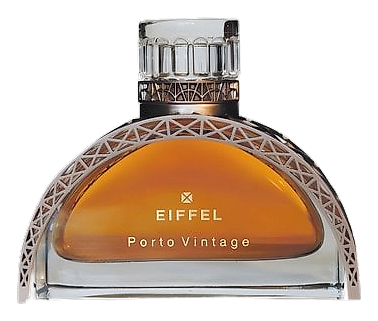
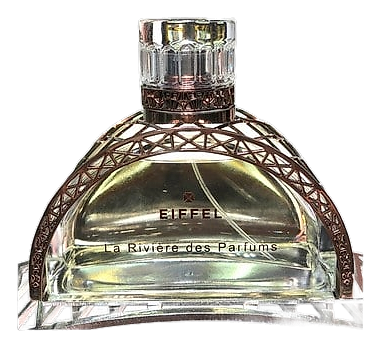
:La Rivière des Parfums arrived in 2018, a composition by Bruno Hervé for the house of Gustave Eiffel. The juice opens with a cool green tea that softens almost immediately, the steam drifting off as honey folds in beneath it, golden rather than heavy, a touch sticky but never cloying. What you get in the air around you, and against the warmth of skin, is something unhurried, a liquid current of scent rather than a projection. The peach surfaces next, warm and just past ripe, shadowed by osmanthus and its apricot-skin warmth. Carnation gives the bouquet a twitch of clove-adjacent spice, while rosewood lends a quiet wooden floor underneath. The listed base comes through as fruity and oriental, amber-adjacent and close, never sharp.
What makes this composition work is the restraint of the opening. Green tea and honey could easily tilt into something cloying or tea-bag plain. Instead, they function as a hinge, setting up a heart where peach, osmanthus, and carnation occupy different registers. The peach is golden and ripe, the osmanthus apricot-skinned and slightly leathery, and the carnation brings the spice that keeps the whole thing from drifting into sheer prettiness. Palisander rosewood underneath all of it, giving the floral arrangement a wooden skeleton. It is floral architecture dressed up as a lazy afternoon.
The evolution
The opening belongs to the green tea, brewed and cooling in the air, and the honey settles in right behind it, not thick but golden, the way sunlight catches the rim of a glass. As the first impression softens, the heart steps forward. Here is where the peach arrives, warm and just past ripe, and osmanthus opens with its particular apricot-skin warmth, that scent of bruised petals on warm stone. Carnation twitches at the edges, spiced and clove-adjacent, keeping the bouquet from turning sentimental. Rosewood arrives next, giving the whole arrangement a soft, woody floor. The base notes, listed as fruity and oriental, do not resolve into anything sharp. They deepen the warmth, turn it amber and amber-adjacent, and let the whole composition settle into skin as something close and slightly sweet.
Cultural impact
La Rivière des Parfums reads like a postcard from a quieter, more romantic Paris, the kind the usual landmark photographs cannot quite capture. It taps into a very specific nostalgia for slow riverside afternoons, the stone embankments, the long light, the kind of unhurried weather that makes you want to keep walking with no destination. Wearers tend to reach for it when the mood calls for something gentle rather than declarative, a scent that sits close to the skin and behaves like an old comfort object rather than a costume piece.
The House
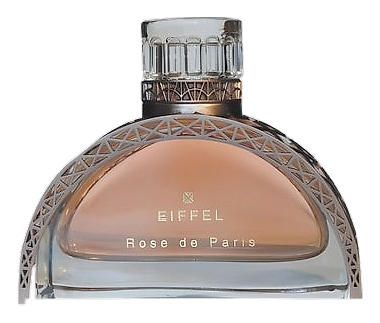
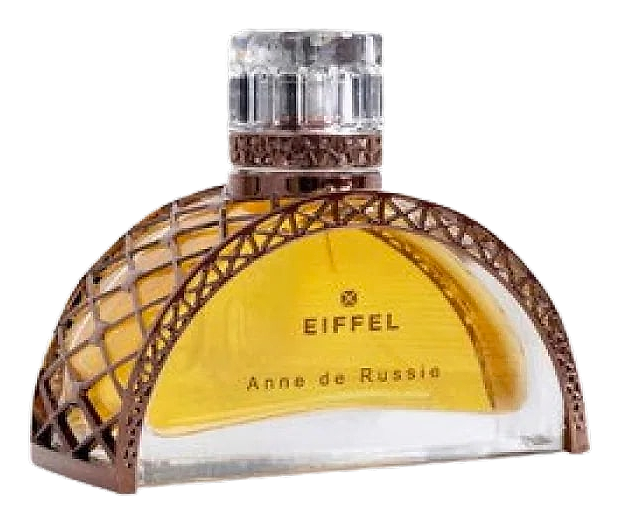
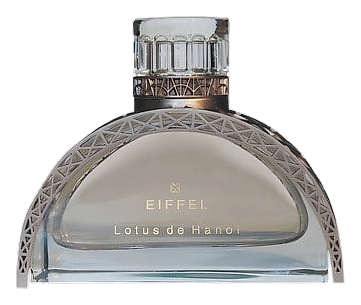
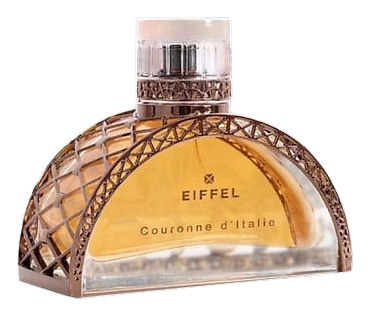
Gustave EiffelGustave Eiffel is a French fragrance brand that bridges the gap between industrial engineering and artisanal perfumery. The brand draws its name and inspiration from the legendary 19th-century engineer Gustave Eiffel, whose architectural legacy includes the iconic tower bearing his name. The connection between Eiffel and the fragrance world traces back to 1893, when the Maubert family, owners of the House of Robertet, commissioned him to design a greenhouse at their facility in Grasse. That collaboration planted the seed for a fragrance lineage that would not fully bloom until 2016, when Philip Cooper Eiffel, a descendant of the engineer, established the brand to honor his ancestor's influence on the perfume industry. Each fragrance in the collection pays homage to places, moments, and figures from Eiffel's remarkable career and the era he helped define.
The Creator
Bruno HervéHis signature style emphasizes authenticity and sensory depth. Drawing from his diverse background, Bruno combines unexpected elements to create fragrances that feel both sophisticated and accessible.