
The Story
Why it exists.
The beginning
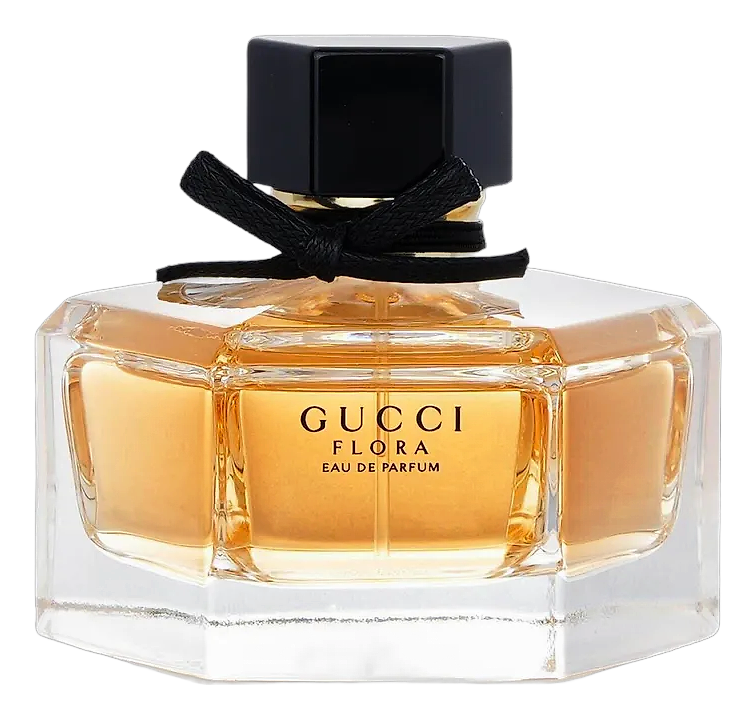
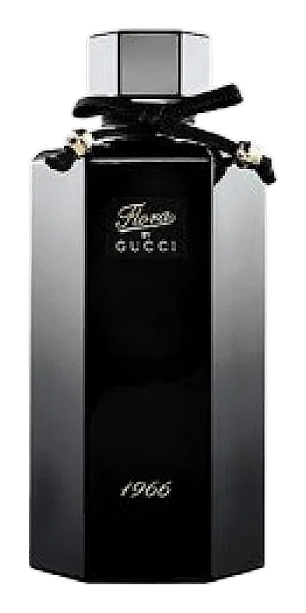
Flora by Gucci 1966 launched in 2013, a release that anchors itself to a specific year in the House's recorded timeline. Rather than treating the name as a passing seasonal reference, the fragrance uses the date as its entire conceptual spine, turning a calendar marker into a mood. The composition itself reads as a deliberate study in contrasts. Bergamot and black pepper lead the opening with a cold brightness that carries a faint metallic edge, the kind of citrus that feels cut rather than squeezed. At the heart, rose and peony unfold as a composed bouquet, the peony's powdery softness rounding the rose's sharper facets. The base settles into patchouli, vetiver, and musk, an earthy trio that grounds the floral core without smothering it.
What makes Flora 1966 work is the tension between its floral heart and its earthy foundation. Rose and peony are often treated as the soft center of a composition, surrounded by warmth. Here, bergamot and black pepper open with enough bite to make the florals feel earned rather than decorative. The patchouli in the base does the heavy lifting, dusty without veering into incense territory, bringing a dry, almost mineral weight to the close. The result sits in a specific zone: floral enough to feel romantic, grounded enough to feel serious.
The evolution
The opening is where Flora 1966 announces its intentions. Bergamot cuts through first, cold, bright, and slightly metallic, then black pepper arrives underneath, dry and persistent. The citrus top note carries a clean, almost architectural edge, more like light hitting a hard surface than like fruit on skin. Warm enough to intrigue, the pepper stays in its lane, supporting the citrus rather than competing with it. The florals don't rush in. Rose eventually takes over the composition, but it's a composed rose rather than a fresh one, with a density that suggests velvet petals pressed between book pages. Peony rounds the edges, adding a soft, slightly powdery sweetness that prevents the bouquet from feeling austere or aloof. The pepper never fully leaves, threading through the heart like a persistent memory, visible in the gaps between the floral notes.
Cultural impact
Flora 1966 occupies a deliberate place within the House's fragrance portfolio. The release reads as an exercise in archival referencing, taking its name from a year and using that date as the foundation for a specific olfactory mood. One search snippet mentions a connection to Princess Grace and 1966, though the exact nature of that link isn't fully detailed in available sources, leaving room for interpretation. The composition itself leans into a familiar Gucci structural logic: a rose-centered heart that avoids naivety, grounded by patchouli and vetiver in a way that reads as sophisticated rather than sweet.