The Story
Why it exists.
The beginning
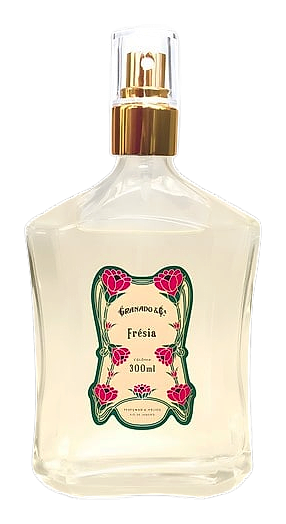
Freesia is a flower that gets taken for granted. Often it's a fleeting top note, there to add freshness before the real composition begins. Serge Majoullier saw it differently. For him, freesia was the point, not the preamble. The 2019 brief was simple: build a fragrance around what the flower actually smells like when it has room to breathe. The result strips away the usual structure. Freesia opens, freesia stays, freesia leads all the way to the drydown. Everything else serves that choice.
What makes Frésia work is the restraint. A lesser perfumer would have buried the freesia under mountains of supporting florals, more rose, more jasmine, more of everything. Majoullier did the opposite. He gave freesia space by pairing it with ingredients that lift rather than overwhelm. Bergamot and lime in the opening. Lychee and lily of the valley in the heart. These add brightness and dimension without competing. The woody base arrives late and stays quiet, warm, intimate, close to the skin. It's a composition that trusts the flower.
The evolution
The opening is crisp. Bergamot, lime, a hint of cardamom, citrus that actually smells like citrus, not like a cleaning product. The freesia announces itself immediately, green and slightly sweet, different from the sanitized freesia of countless mass-market florals. Within 30 minutes the lychee surfaces, bringing a watery sweetness that makes the florals feel alive. The lily of the valley adds a clean, almost dewy quality. Two hours in, the pink pepper appears, barely there, just enough to keep things from going flat. Then the base takes over. Sandalwood and amber create warmth without sweetness. Musk keeps it close. Patchouli adds just enough earth to remind you this is a real flower, not a laboratory reconstruction. The drydown is intimate. It doesn't fill a room. It stays on the skin like a second layer, the kind of scent someone notices only when they're standing close enough to matter.
Cultural impact
Granado has been a cornerstone of Brazilian pharmacy culture since 1879, and Frésia represents the brand's modern editorial approach to fragrance. Where many Brazilian perfumers historically favored bold, tropical interpretations, Granado took a quieter direction with this 2019 release. The fragrance reflects a growing movement in Latin American perfumery toward restraint and botanical precision, borrowing from European minimalist aesthetics while maintaining a distinctly Brazilian clarity. Frésia stands apart from the fuller-bodied fragrances typical of the region, signaling that Brazilian audiences were ready for subtlety.