The Story
Why it exists.
The beginning
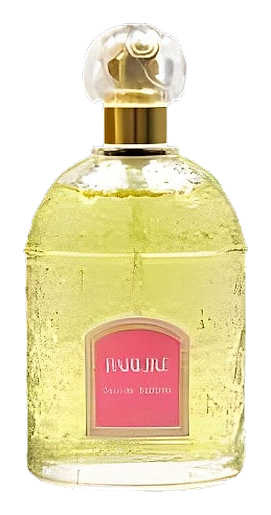
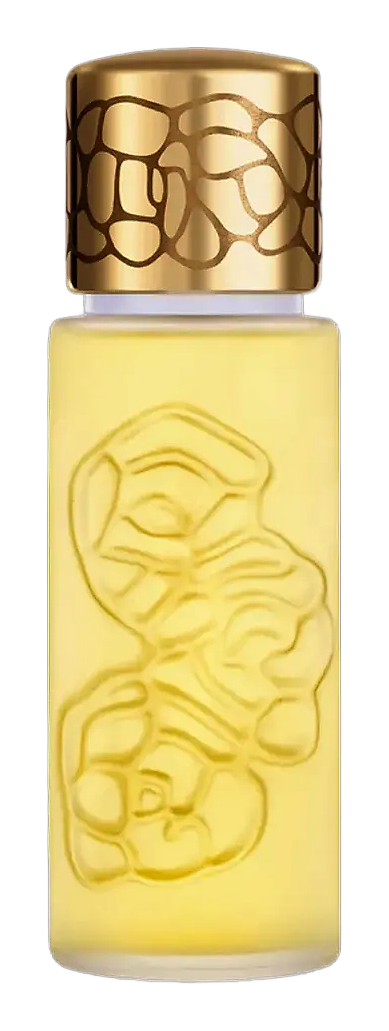
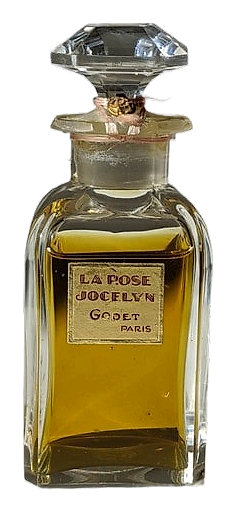
In 1912, La Rose Jocelyn arrived into a perfumery world still finding its modern voice. The name itself reads as a portrait: a woman's name wrapped around a flower, evoking an era when compositions wore their romance openly, built around a heart of rose and violet propped up by creamy woods and amber. The fragrance was crafted at a moment when perfumers worked with patience, drawing on rich absolutes and long macerations, and a release from that period carries something the present-day laboratory can't always imitate: a composed quality rather than a dated one, a sense that the formula was allowed to settle before it ever met the public.
Bergamot, rose, violet, carnation, ylang-ylang, and aldehydes crowd into the top, before a heart of rose, green notes, coumarin, vanilla, and vetiver steadies the ride. That double appearance of rose is deliberate: the note is both the door and the room. The aldehydes sharpen the vintage register, while coumarin and vanilla do the opposite, pulling everything toward sweetness and skin warmth.
The evolution
The opening is loud. Aldehydes flash, bergamot cuts through, and carnation throws its clove-shadow across the rose. It smells like opening a compact in a room that hasn't been aired in decades. Slowly the powder settles. Violet and ylang-ylang smooth everything out, and the heart reveals itself: coumarin and vanilla do most of the work, giving the rose a creamier body and a soft, rounded sweetness. Vetiver keeps it from drifting into pure saccharine. Eventually the drydown takes over: sandalwood and benzoin build a soft resinous wall, amber gives it warmth, and musk pulls everything close to skin. The sillage drops to a moderate hush, and the fragrance stays there, wearable, oddly comforting. What lingers on a sweater the next morning is mostly the benzoin-amber-sandalwood skeleton, faintly powdered. The rose, by then, has become an echo rather than a statement.
Cultural impact
A century-old composition still standing is its own argument. La Rose Jocelyn carries a weight that comes simply from still existing in recognizable form, and from offering something the broader rose category has quietly moved away from: a powder-dipped warmth, a violet-cool lift, and a vanillic undertone that reads as composed rather than confectionery. For those drawn to classical French florals, the appeal isn't novelty.