The Story
Why it exists.
The beginning
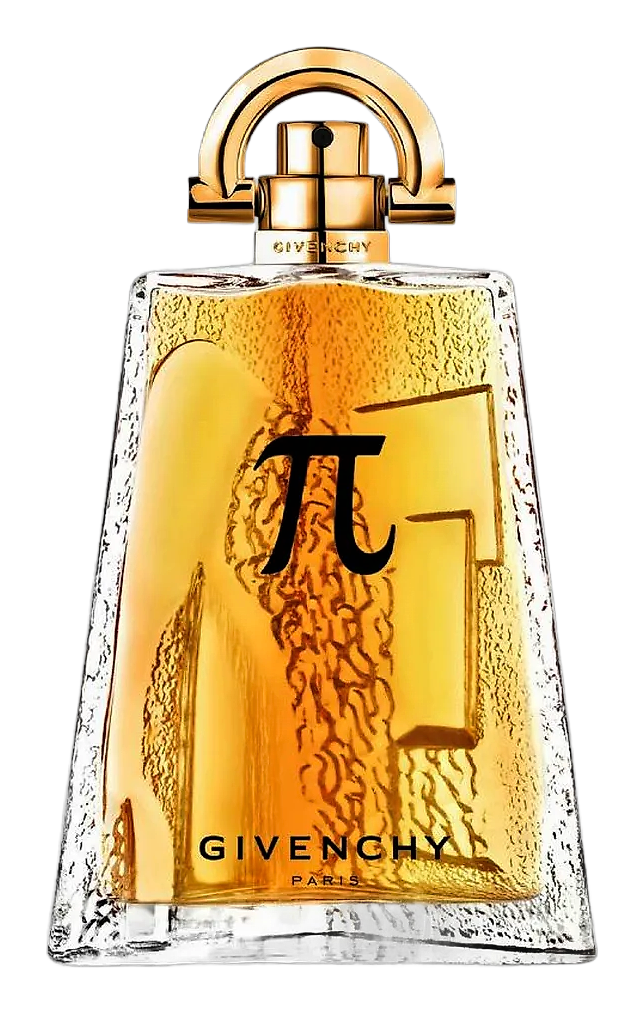
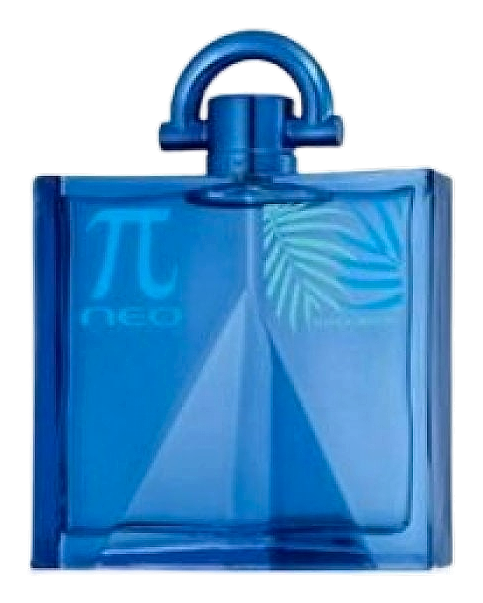
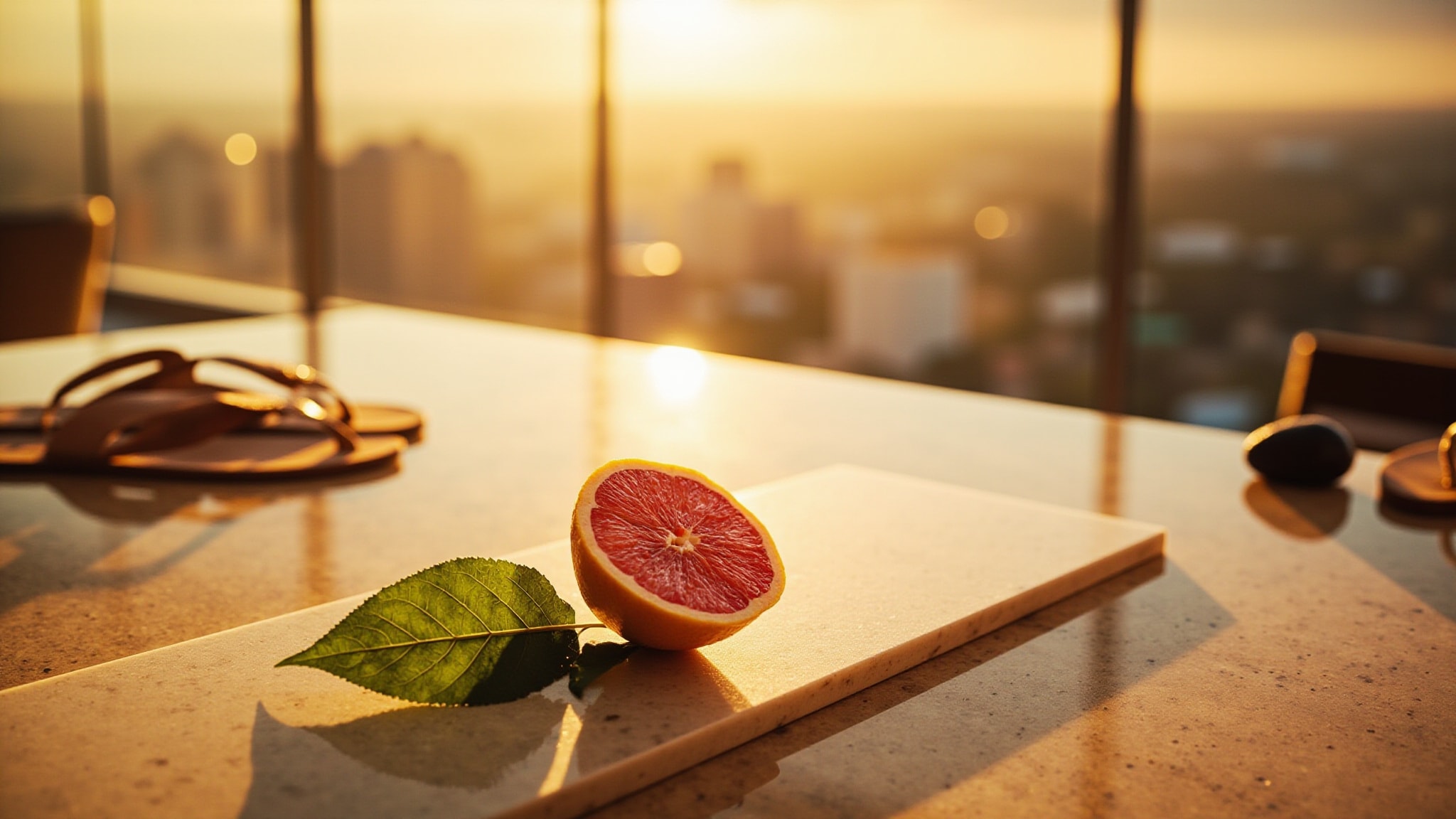
Pi Neo Tropical Paradise arrived in 2011 as a limited flanker within Givenchy's Pi line, turning the collection toward something cooler and more aquatic than its predecessors. The original Pi had always carried a certain warmth, a resinous depth that anchored its appeal, but Tropical Paradise stepped away from that territory entirely. Instead of doubling down on the established profile, the composition pivoted toward citrus, green leaves, and water, trading density for transparency. The fragrance opens with a bright grapefruit-bBergamot introduction that feels almost effervescent, a sharp top that catches light rather than absorbing it.
What makes Tropical Paradise interesting isn't the obvious choice of citrus and water. It's how the green sits inside the aquatic. Fig leaf and palm leaf pull the composition toward something botanical and slightly bitter, closer to crushed stems than ocean spray. The cedar and driftwood base grounds the water with actual wood grain, and that grainy wood texture keeps the fragrance feeling rooted rather than rinsed clean.
The evolution
The first ten minutes belong to grapefruit, sharp and almost fizzy before the bergamot smooths the edges. Fig leaf shows up fast, greener than expected, with a leafy bitterness that makes aquatic compositions feel grown rather than engineered. The palm leaf stays quieter, a humid impression rather than a named note, threading through the opening like background moisture. Around the 45-minute mark the water gets woodier: driftwood arrives without drama, cedar underneath, and the whole thing shifts from bright to blonde, the initial sparkle giving way to something warmer and more ambered in tone. Through hours two and three it's a smooth, sun-warmed skin scent, the safraleine humming underneath like residual salt, almost imperceptible but anchoring the composition in something mineral and dry.
Cultural impact
Pi Neo Tropical Paradise arrived in 2011, released as part of Givenchy's ongoing exploration of the Pi platform, an initiative that has produced numerous seasonal and thematic variations over the years. The Pi line has long served as a vehicle for the house's more unconventional masculine compositions, and Tropical Paradise fits that role with its distinctive aquatic-green profile built around fig leaf, palm leaf, driftwood, cedar, and safraleine. The combination of green leaves with weathered wood creates a profile that reads less like a traditional summer aquatic and more like a humid botanical study set near water.