
The Story
Why it exists.
The beginning
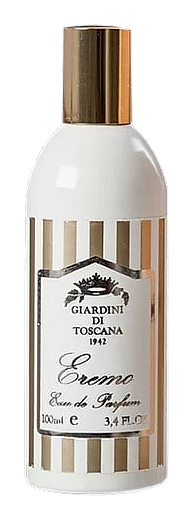
Eremo draws its name from the Italian word for a remote, quiet place, a hermitage set deep in the wilds, and its composition is a love letter to exactly that. The brand describes it as "more than a simple fragrance, an ancestral and mysterious melody that reveals the relaxing and, at the same time, dynamic notes of the Tuscan woods." Silvia Martinelli imagined the experience of horseback riding through the green Casentino forests, past ancient cypress trees, into clearings where sunlight pools and wild water runs downhill. The opening strikes with a cool, almost juicy burst of watermelon, an unexpected note that shimmers against the dry, resinous pull of cypress. There's a green snap in the first minutes, bright and aqueous, like crushed stems and river-cold air.
The structure here is worth noticing. The cypress note, the very tree that literally defines Tuscan landscapes, opens the composition, and the rest of the pyramid builds outward from that resinous, almost coniferous anchor. Watermelon might seem like a curveball, but it functions as a cold aquatic flicker against the woods, a memory of stream water rather than fruit. The heart layers juniper (botanically close to cypress and sharing its gin-like, sappy snap) against the warm, creamy depth of sandalwood and cedar, with patchouli giving the whole arrangement a slightly bitter, earthy weight. Base notes of amber and white musk keep the finish soft and skin-like rather than cologne-sharp.
The evolution
The first 30 minutes are the most surprising phase. Watermelon and mandarin flash cold and almost metallic against the cypress, which gives this opening an ozonic, almost watery quality that the notes don't immediately telegraph. It smells like a creek running over stones in a pine forest, bright and slightly green. Then the citrus drops away, the cypress deepens, and the juniper and sandalwood arrive together, turning the composition from bright to broody without ever crossing into heaviness. Patchouli here is dry and dusty rather than earthy-sweet, more like sun-baked bark than turned soil. From the two-hour mark onward, the cedar and sandalwood take over, warm and almost suede-like, with the amber underneath casting a low, golden glow. By hour four the white musk has smoothed everything into a quiet, skin-close finish that still carries that dry Tuscan wood character, just whispered. On clothes the next day, the cedar-sandalwood core hangs on, reminding you of where the scent started.
Cultural impact
Eremo occupies a distinctive corner of the woody-aromatic category, one defined less by sweetness and more by green, resinous realism. Wearers tend to describe it as the kind of scent that suits someone who actually spends time outside, people who want their fragrance to smell like a place rather than a product. The opening is where it sets itself apart: a cool, almost juicy burst of watermelon collides with the dry, dark presence of cypress, creating an effect that feels unexpectedly aquatic for a composition this rooted in wood and resin.
The House
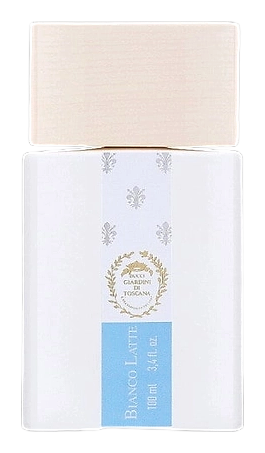
Giardini Di ToscanaGiardini Di Toscana is an artisan perfume house that bottles the soul of Tuscany, translating memories and emotions into scent. It's a brand built on family history, yet it found global fame through the surprising viral power of its modern gourmand creations.
The Creator
Silvia MartinelliMartinelli's signature style leans heavily into the gourmand family, often with a creamy, sweet, and comforting character. There's a definite warmth and indulgence present in her compositions.