The Story
Why it exists.
The beginning
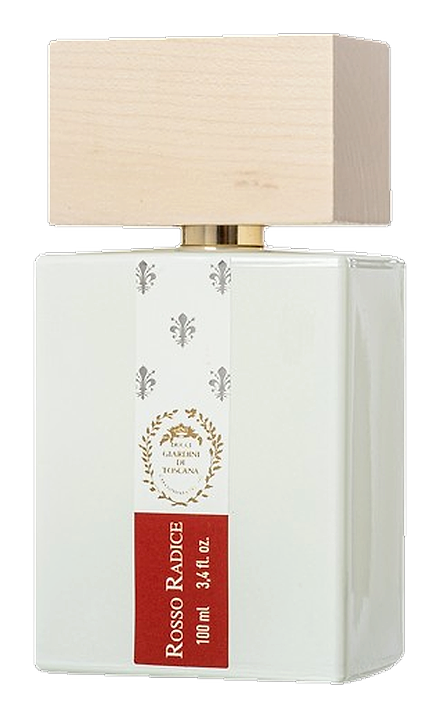
Rosso Radice takes its name from the Italian for red root, and the fragrance lives up to that image. Silvia Martinelli wanted something that doesn't merely sit on the surface of the skin but instead establishes itself as a presence. The opening delivers a bright citrus lift that catches attention immediately. From there, the composition moves into warmer territory, with woody elements that give the scent depth and body. The mineral notes create a clean, lingering quality that remains present long after application. A green, dark, and vital character runs through the heart of the fragrance, giving it an earthy quality that feels rooted rather than fleeting. This isn't a perfume that announces itself loudly or disappears within minutes.
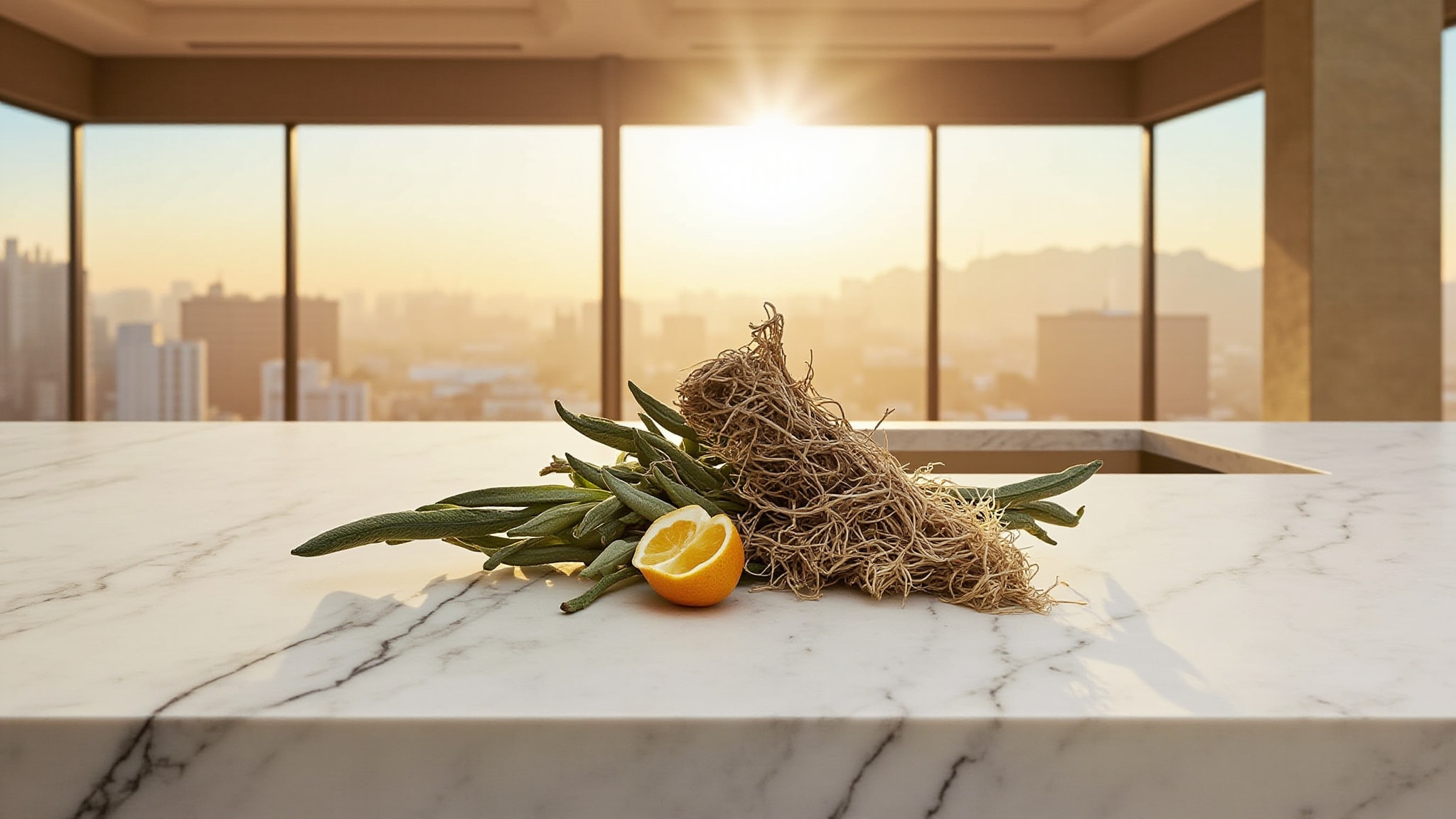
What makes Rosso Radice unusual is the base. Vetiver and ambroxan don't just anchor the composition, they define it. The vetiver is earthy, rooty, slightly mineral, with a natural depth that gives the fragrance its foundation. Ambroxan adds a warm, clean sensuality that the brand openly describes as almost erotic, almost animalic. That's not a phrase you see in many fragrance copy. These two materials work together to create a drydown that feels substantial without being heavy.
The evolution
The opening announces itself with confidence: bergamot and pink pepper arrive together, sharp and clear. The Calabrian bergamot is the star here, bright, citrusy, slightly bitter in the best way. Pink pepper adds a light spice that lifts everything without overwhelming. This phase represents the fragrance at its most approachable, its most familiar. Then the clary sage begins to soften the edges. The herb comes through quietly, not medicinal or soapy, but green and slightly nutty. As the top notes start to fade, warm, soft notes take over the heart, providing a plush counterweight that wraps the sharper elements and grounds them. Some wearers detect a synthetic quality here. Others find it comforting, like cashmere against bare skin. The drydown is where Rosso Radice earns its name. Vetiver arrives first, earthy, root-like, slightly smoky.
Cultural impact
Rosso Radice occupies a specific corner of the fragrance world: herbal-woody compositions with a distinctive character. It appeals to wearers who find mainstream fragrances too sweet, too aquatic, or too predictable, people looking for something with actual character. The brand gained visibility through social sharing, and this fragrance stands apart from the viral gourmand launches that drove that attention. It's drier, earthier, less obviously appealing. That difference is part of what makes it work. There's a quality here that feels intentional, a refusal to follow the expected paths that many mass-market options take.