The Story
Why it exists.
The beginning
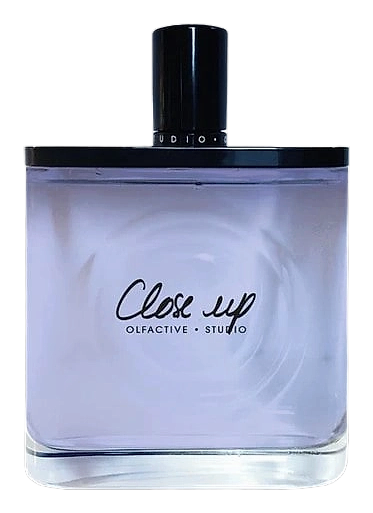
The name says everything. Close Up is a photographic gesture brought to life, the moment a lens narrows the distance between subject and viewer until you can almost feel the texture. Olfactive Studio's 2016 release translates that intimacy into scent, building a fragrance around the idea that zooming in reveals more than distance ever could. Annick Ménardo constructed this from opposites: sour cherry's sharp tartness against green coffee's bitter rawness, freshness against warmth, the outer world against something inner. The concept borrowed from photography's power to collapse scale, making the small feel vast, the fleeting feel tactile.
What makes Close Up's structure interesting is the way contrast drives every layer. Sour cherry opens bright and acidic, green coffee grounds it with an almost burnt bitterness that can catch the nose off guard. Neither retreats into safety. White tobacco and cedar arrive to slow things down, but the rose barely registers, it's there as a quiet anchor, not a statement. The real tension lives between the top's confrontational tartness and the base's warm embrace of amber, tonka, and musk. Close Up earns its name by refusing to be polite.
The evolution
The opening arrives fast and demands attention. Sour cherry's tartness hits alongside green coffee's bitter rawness, acidic, almost startling, like a lens snapping into focus before you've had time to blink. This phase reads bold, maybe too bold for some noses. The sharpness settles as white tobacco enters quietly, cedar fills the middle distance, and patchouli adds an earthy weight that grounds the cherry without sweetness. The rose barely registers, a whisper, not a statement. Amber and tonka wrap everything in warmth, the musk keeping the drydown intimate and close to the skin. What lingers on clothes the next morning is soft: sweet, warm, a ghost of what was once confrontational.
Cultural impact
Close Up sits in a specific niche: the unisex oriental vanilla space where cherry and tobacco anchor a contrast-driven composition. Released in 2016, it occupies a distinctive position within that category. Wearers who connect with it tend to describe it as the scent of someone who does not announce themselves, quiet confidence, close presence. The divisive sour cherry opening has become part of its identity, generating discussion in fragrance communities. Its willingness to begin without apology sets it apart in a space where many compositions opt for smoother introductions.