The Story
Why it exists.
The beginning
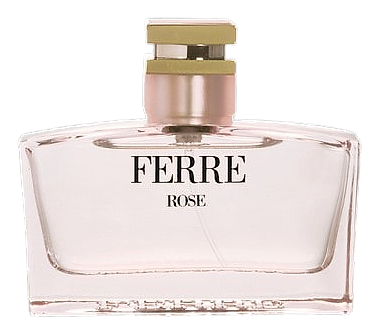
Rose is one of perfumery's oldest languages, but in 2007, Alexandra Jouet and Francis Kurkdjian wanted to say something different with it. Rather than build a fortress of petals, they composed a rose that breathes, that exists in the composition without overwhelming it. The result is a fragrance that takes the architectural restraint the Gianfranco Ferre house is known for and translates it into scent. Precision without ornamentation. A rose that knows when to stop.
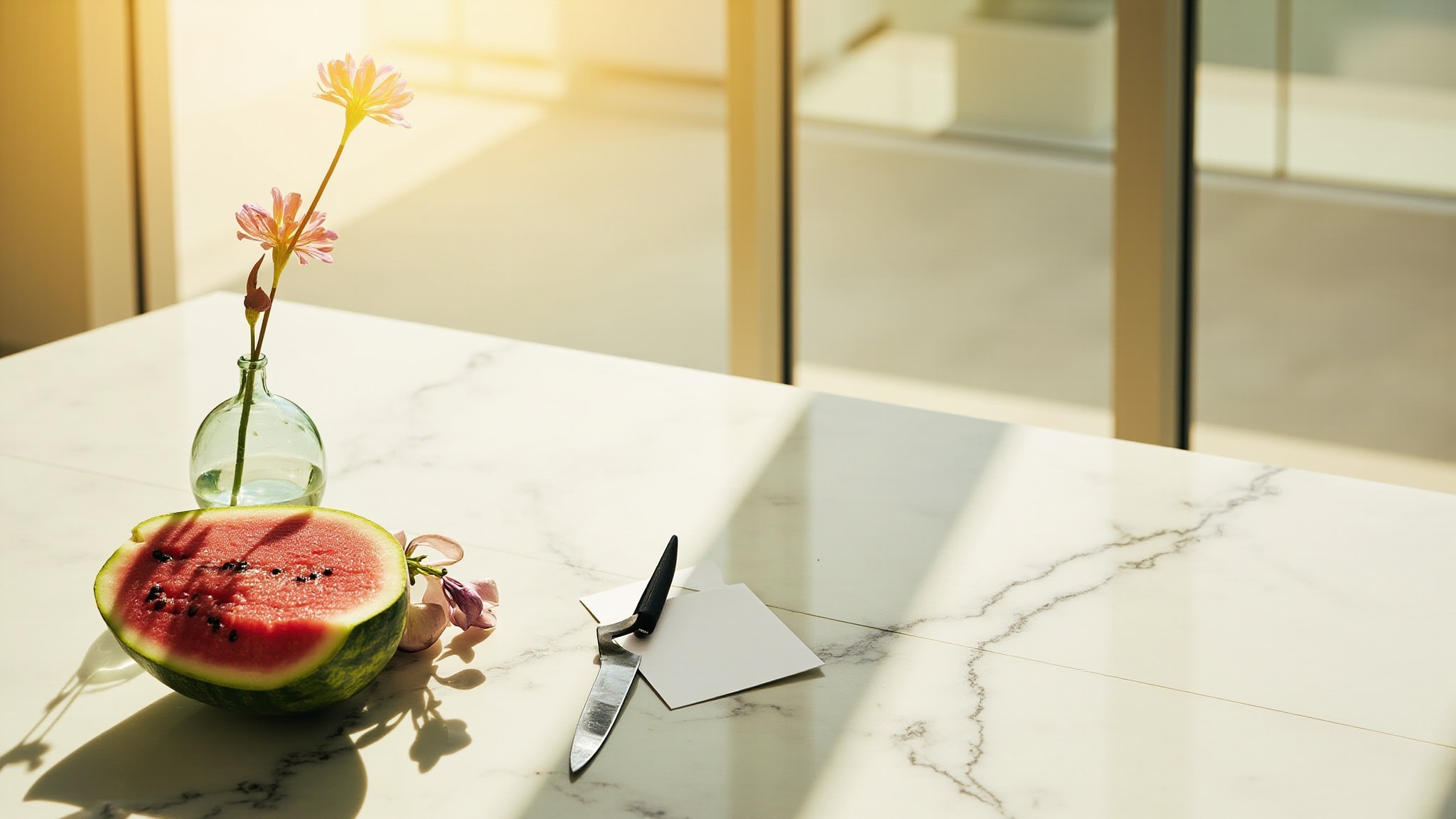
What makes Ferre Rose interesting is the choice to let fruit lead. Watermelon, pomegranate, peach, mandarin, these aren't decorative additions. They're the opening act, and they set a tone: this rose doesn't arrive with drama. It arrives with juiciness, with morning light, with the specific sweetness of something just bitten into. The floral heart, rose, freesia, gardenia, hyacinth, orange blossom, layers rather than accumulates. Each note takes its turn. The woody base of sandalwood and cedar doesn't project so much as anchor. This is a fragrance that knows the difference between presence and volume.
The evolution
The opening hits bright and juicy, watermelon and pomegranate giving that mouthwatering quality that makes you lean in. Mandarin and peach keep it light for the first thirty minutes. Then the florals begin their slow take-over. Rose first, then freesia, then the gardenia adding a creamy undertone that surprises. The hyacinth brings an ozonic freshness that makes the whole heart feel like it's in motion rather than sitting still. This phase lasts a couple of hours before the sandalwood, vanilla, and amber settle in. The drydown is warm, close, intimate, the kind of skin scent you catch on yourself hours later and smile. On most skin it fades gracefully and leaves something clean and graceful behind, earning respect from those who appreciate quiet, well-made compositions.
Cultural impact
Ferre Rose arrived in 2007 during a period when Italian fashion houses were expanding their fragrance lines beyond traditional demographics. The scent reflected a broader shift in the market toward lighter, more accessible feminine compositions that didn't rely on heavy orientalism or overpowering florals. Gianfranco Ferre, known for architectural fashion and bold design, released something unexpectedly delicate with this offering. The pairing of juicy fruit notes with rose positioned Ferre Rose as part of a wider trend in mid-2000s perfumery that embraced freshness and approachability without sacrificing complexity.