
Heritage
A house, in its own words
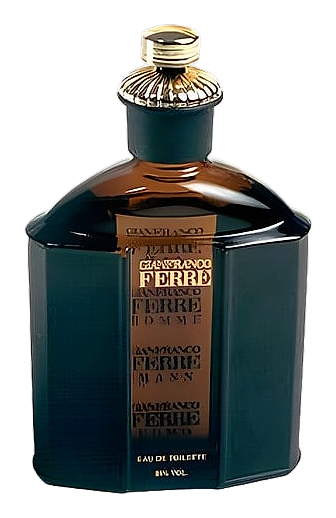
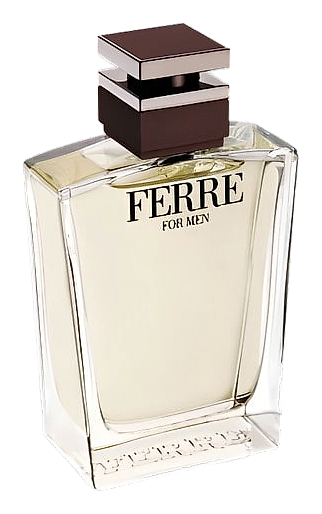
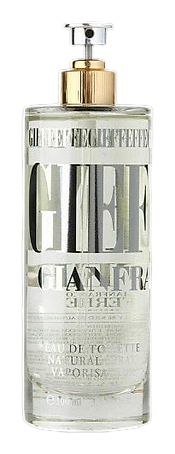
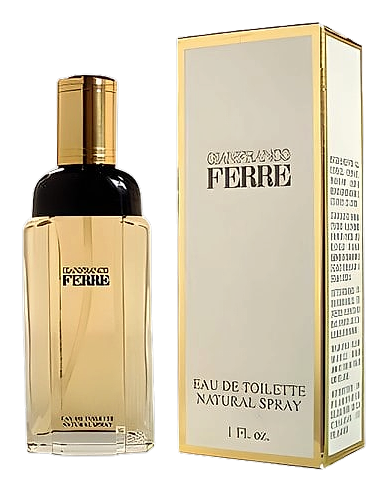
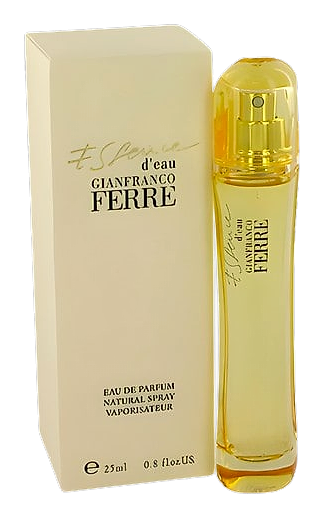
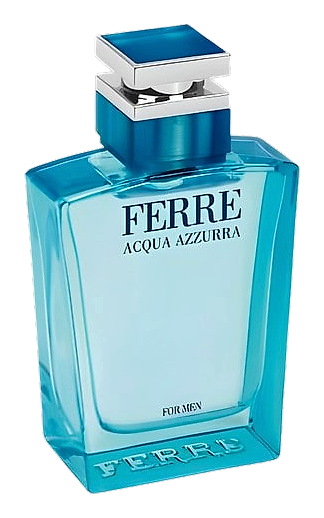
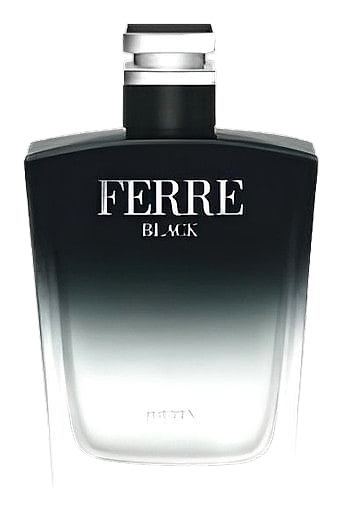
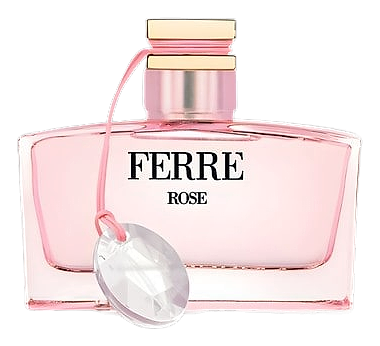
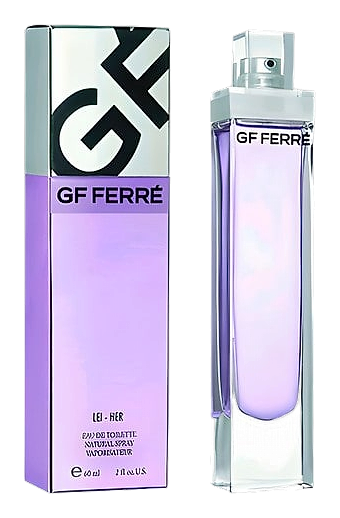
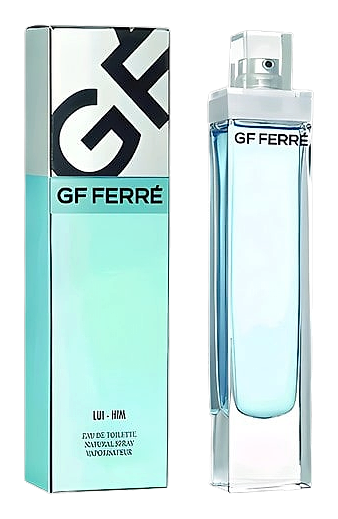
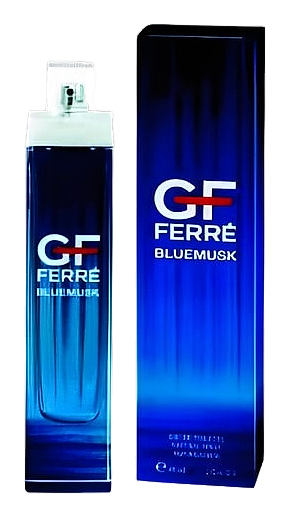
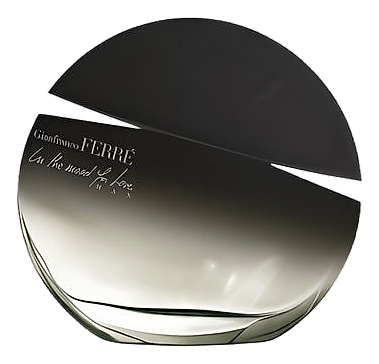
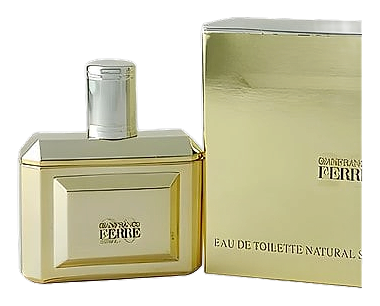
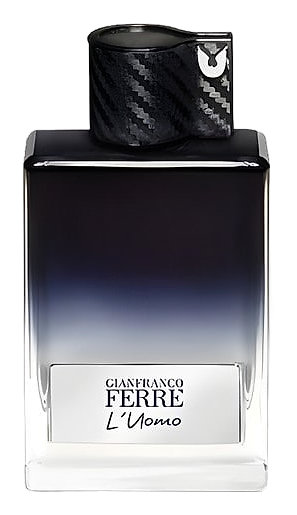
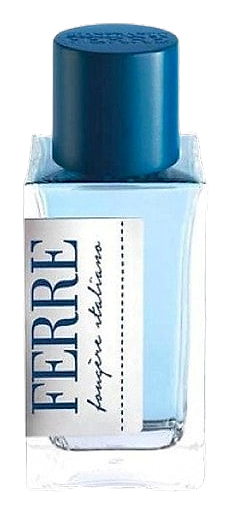
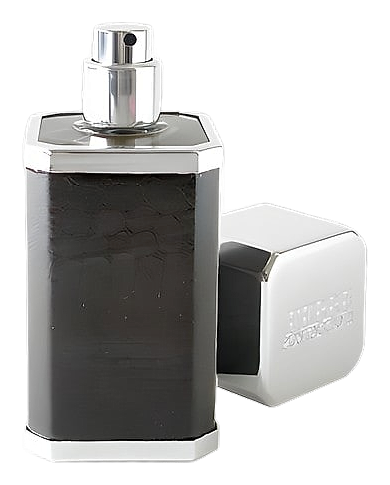
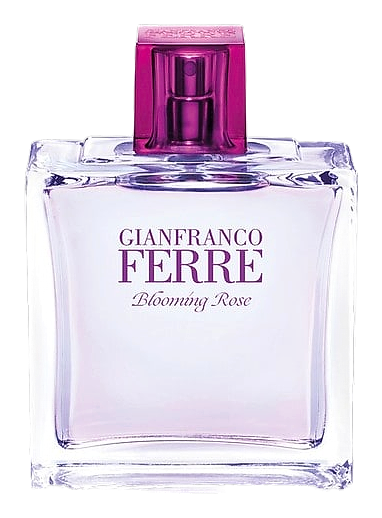
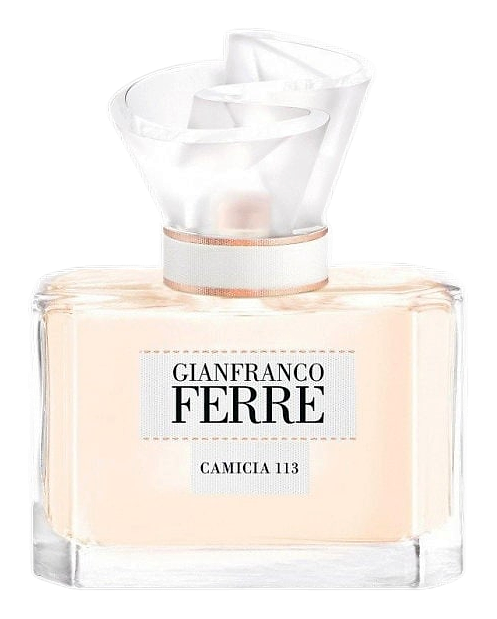
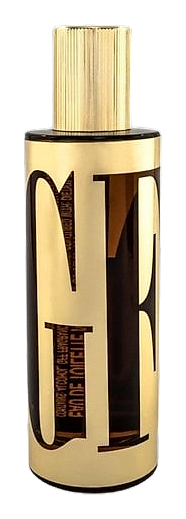
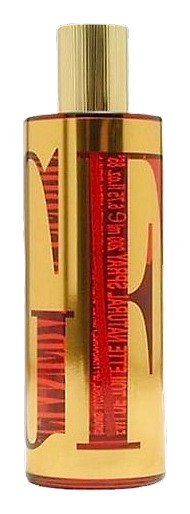
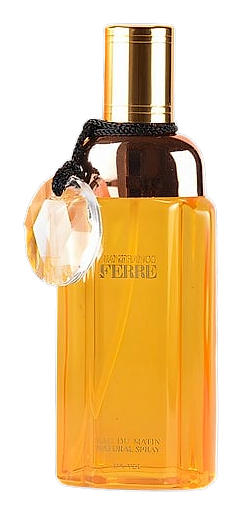
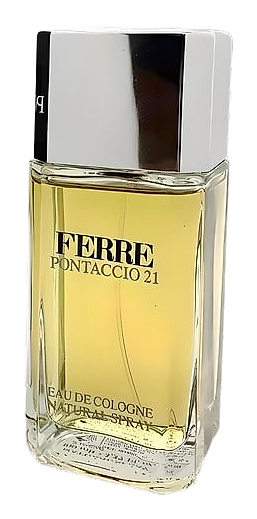
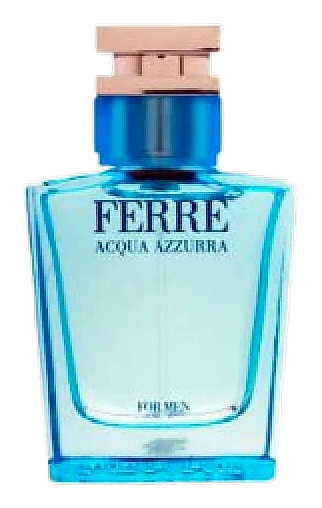
Gianfranco Ferré founded his eponymous fashion house in 1978, quickly gaining a reputation for architectural tailoring that blended Italian tradition with a stark, almost Bauhaus aesthetic. The brand expanded beyond clothing in the early 1980s, launching its first perfume in 1984 under the distribution of Diana de Silva, an Italian firm known for introducing fashion houses to the fragrance market. The debut scent, simply titled Gianfranco Ferre, carried the same structural clarity as his garments, using a restrained palette of citrus, aromatic herbs, and a subtle woody base. Throughout the 1990s the house released a series of gender‑specific fragrances, including Ferre by Ferre (1991) and GFF Uomo (1998), each reflecting the evolving runway silhouettes of the time. In 2005 the brand introduced Pontaccio 21, a cologne that married marine accords with the brand’s signature minimalism, followed a year later by Ferre for Men, a modern reinterpretation crafted by celebrated perfumer Pierre Bourdon. While the fashion side of Gianfranco Ferré closed its doors in 2009, the fragrance line continued under the stewardship of the original perfume partners, preserving the founder’s design philosophy in olfactory form. The house’s perfume portfolio now spans more than two dozen releases, each anchored in the same architectural rigor that defined Ferré’s clothing archives. The creative vision behind Gianfranco Ferre’s fragrances mirrors the founder’s belief that clothing and scent are parallel expressions of space. Ferré once described his work as constructing “architectural lines” that guide the eye; the perfume team translates that language into olfactory architecture, layering notes as if they were structural beams. The brand values restraint over excess, preferring a clear silhouette of scent that reveals itself gradually, much like a well‑cut suit unfolds on the body. Sustainability entered the conversation in the 2010s, prompting the house to prioritize responsibly sourced raw materials and to work with suppliers who adhere to fair‑trade standards. Transparency about ingredient origins is now a core tenet, allowing consumers to understand the provenance of ingredients such as Sicilian bergamot or Tuscan lavender. By treating fragrance as a built environment, Gianfranco Ferre seeks to create experiences that feel both personal and universally resonant, inviting wearers to inhabit a scent‑filled space that reflects their own inner architecture.
