
The Story
Why it exists.
The beginning
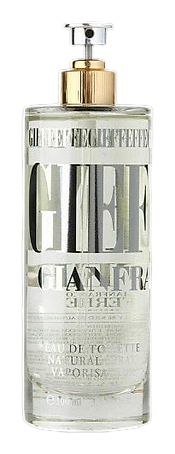
Michele Saramito created Gieffeffe in 1995 for Gianfranco Ferre, the Milanese designer whose work in fashion operated on precise geometric logic. The fragrance name itself reflects Ferre's playful relationship with form and initials. Saramito approached the brief with an architectural sensibility, constructing the opening around osmanthus and stone fruit to establish immediate character differentiation from conventional citrus references. Bergamot and mandarin orange provide the familiar anchor points, while coriander introduces an herbal sharpness that signals intellectual intent rather than casual freshness. The pairing of peach with osmanthus was deliberate, creating a creamy-fruity impression distinct from the linear citrus archetypes dominating the era.
The note philosophy underlying Gieffeffe treats each ingredient as both structural element and expressive agent. Osmanthus serves dual purposes: its apricot-like floralcy distinguishes the opening from predictable citrus compositions while simultaneously foreshadowing the amber warmth that will anchor the drydown. Cardamom was selected for the heart not merely as spice but as bridge, linking the fruit brightness of the top notes to the warmth of the base. Similarly, orris root bridges florals and woods through its powdery, violet-root character. The cedarwood-sandalwood pairing in the drydown reflects deliberate contrast between cedar's sharp, vertical quality and sandalwood's soft, enveloping warmth.
The evolution
Wearing Gieffeffe reveals a tripartite structure of genuine sophistication. The citrus and stone fruit opening registers quickly, with bergamot and mandarin orange establishing bright,clean tartness before osmanthus and peach introduce their honeyed apricot warmth and ripe fruit softness. Coriander's presence remains subtle but essential, lending an herbal counterpoint that prevents the top notes from reading as merely sweet. By the thirty-minute mark, the heart begins its work: cardamom and nutmeg deliver a gently spiced warmth, while freesia provides cool, slightly metallic florality and jasmine offers deeper, indolic floral richness. Rose and orris root mediate the transition, threading powdery violet and soft floralcy through the spiced heart. The drydown takes its time arriving, but when cedarwood, sandalwood, patchouli, and amber establish their presence, they create a woody foundation of considerable depth. Musk rounds the composition with skin-close intimacy, ensuring the drydown feels personal rather than abstract.
Cultural impact
Gieffeffe reflects a period when Italian fashion houses began to emphasize bright, citrus‑forward fragrances that could complement both daytime and evening attire. Its blend of bergamot, mandarin orange, and peach captures a youthful optimism that resonated with the early 2000s cultural shift toward casual elegance. By pairing traditional notes like coriander with modern fruit accents, the perfume helped bridge classic Italian craftsmanship with contemporary lifestyle trends, influencing a wave of similar compositions across the market. The fragrance also contributed to a broader conversation about gender‑fluid scent choices, as its fresh yet warm profile appealed to a diverse audience seeking versatility in their personal style.