Japanese gardenia
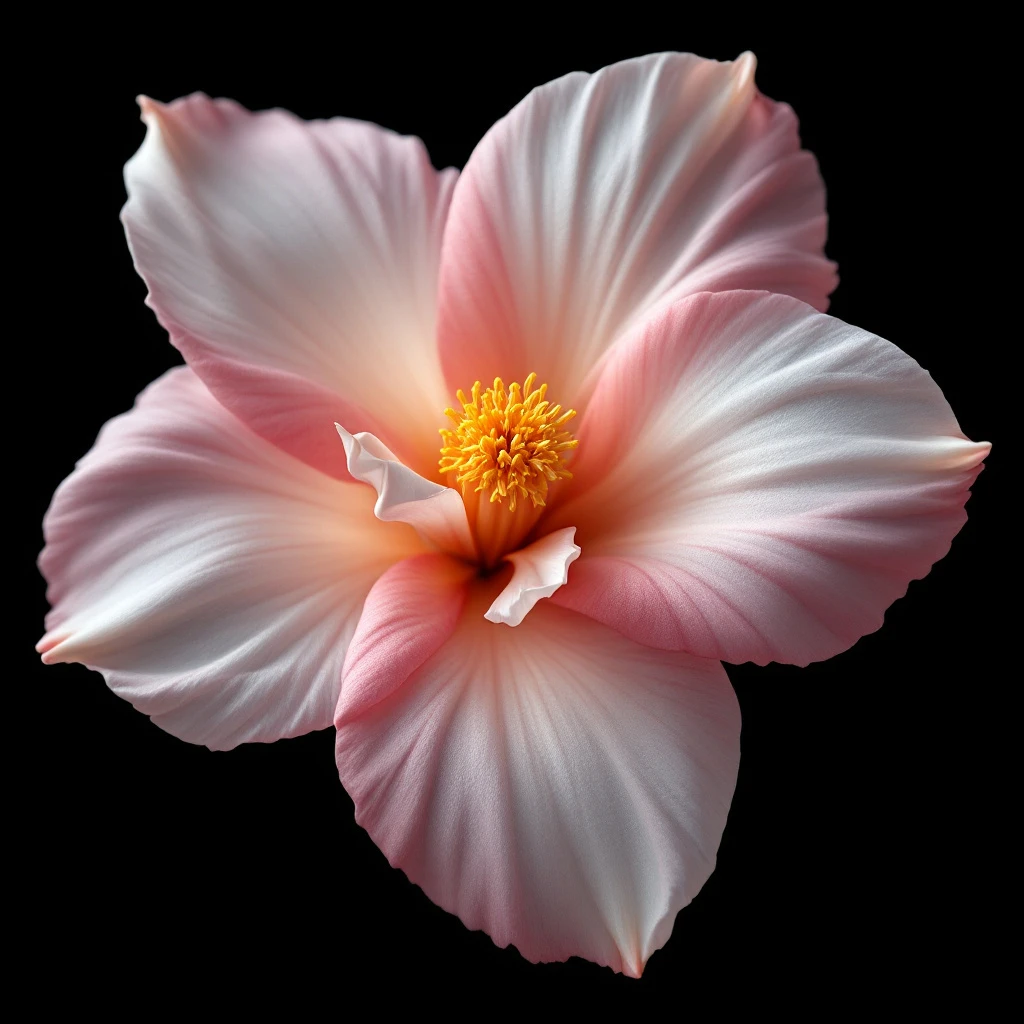
Gardenia jasmine-like warmth and creamy white florality made it a perfumery obsession long before synthesis made the note reproducible at scale. The flower defied extraction for decades, driving chemists to recreate its intoxicating scent entirely in the lab.
Character
How it smells
The white flower that challenged chemistry itself.
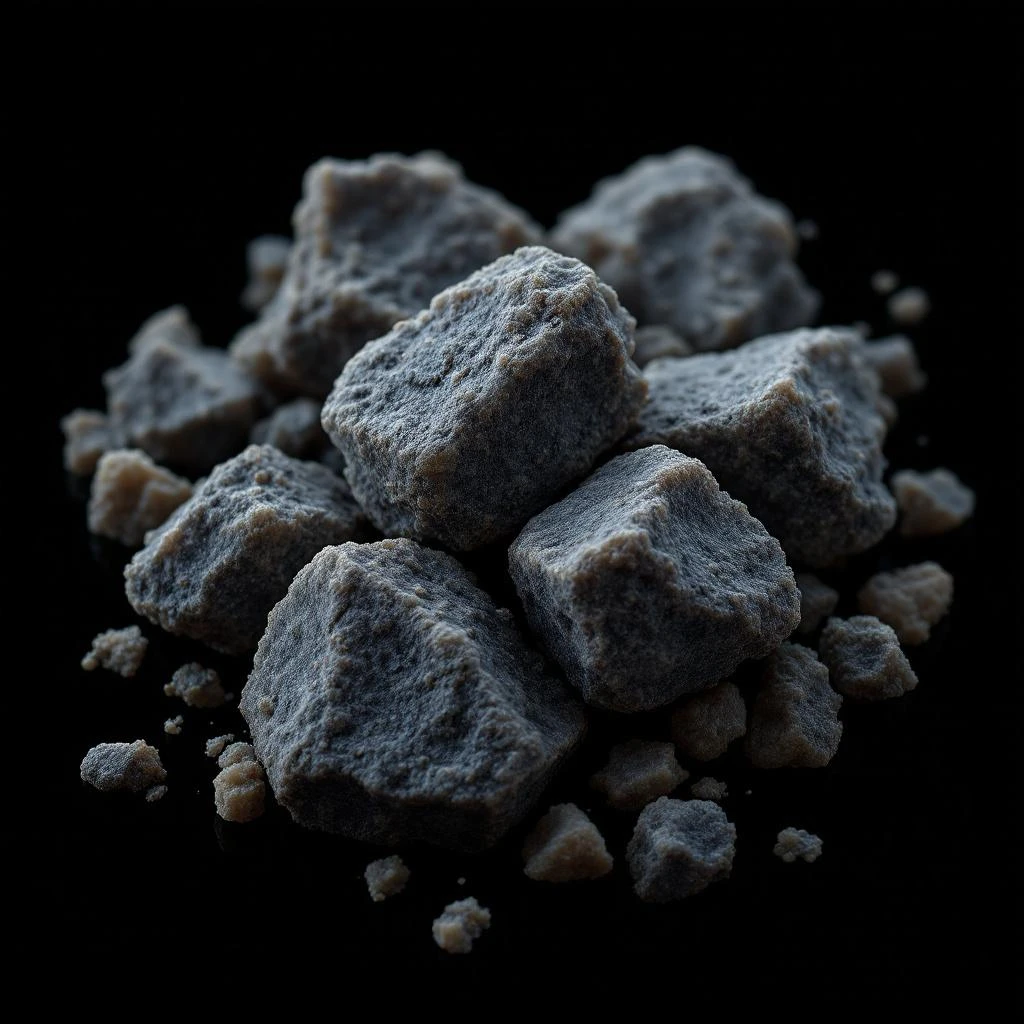
Gardenia absolute cannot be extracted from the living blossom. Every gardenia fragrance on the market relies on synthetic reconstruction.





Origin
China
Gardenia jasminoides originated in southern China, with native populations across Fujian, Guangdong, Yunnan, Sichuan, and Taiwan. The species spread to Japan where it became embedded in cultivation traditions for ornamental gardens, herbal medicine, and ceremonial use. Chinese perfumers used gardenia to make incense and fragrant preparations long before Western perfumery existed.
The flower reached Europe in the 18th century via the Dutch Cape Colony, carried along trade routes that moved Asian botanical specimens westward. European perfumers embraced gardenia gradually, later than jasmine, rose, and violet, with early 20th century fragrances incorporating gardenia flower oil extracted through enfleurage. The lack of a steam-distillable oil constrained its use until modern synthetic chemistry offered an alternative.
Today gardenia occupies a significant position in white floral perfumery, particularly in East Asian markets where jasmine-gardenia combinations anchor cultural fragrance preferences.
Wears it best
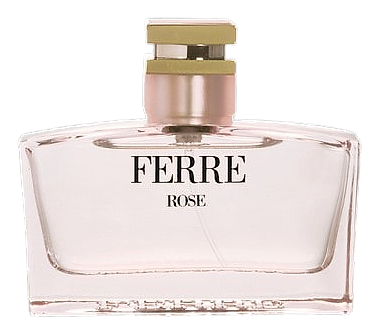
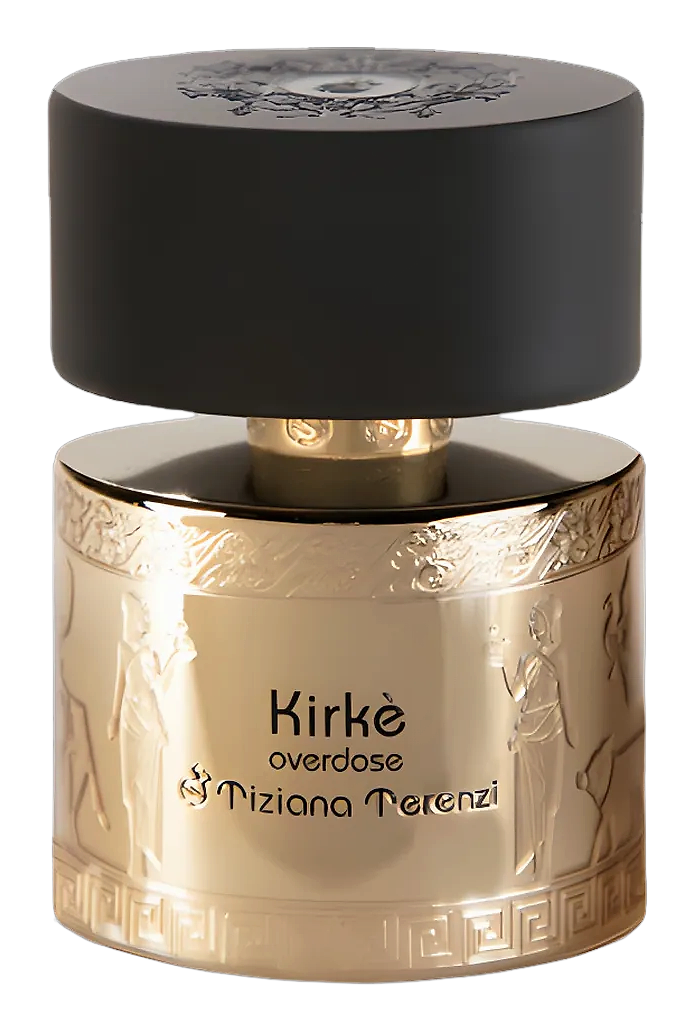
Fragrances featuring Japanese gardenia
Brands
Brands known for Japanese gardenia
Good to know
Questions, answered
The essentials on Japanese gardenia in perfumery: how it smells, where it comes from, and how it behaves on skin.
Is there a natural gardenia essential oil?
No. Gardenia blossom cannot be processed into a natural essential oil. The molecular structure of the scent compounds breaks down under heat and solvent extraction. Every gardenia note in perfume comes from synthetic reconstruction, primarily using styrallyl acetate.
What does Japanese gardenia smell like?
Gardenia smells creamy, heady, and intensely floral with a sweet green undertone. Think rich white florals, warm coconut-like sweetness, and a slightly waxy texture. It reads more opulent and rounded than jasmine, with less of that sharp indolic edge.
Why is gardenia so expensive in perfumery?
Because it cannot be extracted naturally, perfumers must build the scent from scratch using multiple synthetic aroma chemicals. Each combination requires expertise to achieve a convincing, natural-smelling result. The cost lies in the chemistry and formulation skill rather than raw material scarcity.
Which fragrance families use gardenia most often?
White florals dominate. Gardenia appears heavily in chypre structures, oriental fragrances, and modern florals. It pairs naturally with jasmine, ylang-ylang, tuberose, and green notes like galbanum or hyacinth.
What is styrallyl acetate?
Styrallyl acetate is a synthetic aromatic compound that forms the backbone of most gardenia reconstructions. It has a green, floral, slightly fruity scent profile that mimics one of gardenia key odorant components. Perfumers layer it with other materials to build fuller gardenia character.
Does gardenia have cultural significance in Japan?
Gardenia jasminoides was cultivated extensively in Japan for ornamental and ceremonial purposes. The flowers were used in temple offerings and traditional perfumes. Japanese perfumery traditions long valued gardenia as part of the broader white floral palette rooted in East Asian botanical culture.
When did gardenia first appear in Western perfumery?
Gardenia flower oil began appearing in Western fragrances in the early 20th century, primarily obtained through enfleurage and pommade methods. Its perfumery presence lagged behind jasmine, rose, and violet, which had established extraction traditions earlier.
Can gardenia be blended with other white florals?
Absolutely. Gardenia layers seamlessly with jasmine sambac, ylang-ylang, and tuberose. It also works well with green notes and citrus elements. In chypre and oriental frameworks, it adds depth and sweetness that anchors lighter floral compositions.