The Story
Why it exists.
The beginning
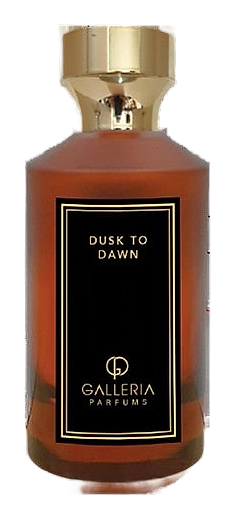
Bertrand Duchaufour builds compositions like architects build timelines. For Dusk to Dawn, he compressed the hours between sunset and sunrise into a single bottle, the last bright notes giving way to something that lives and breathes in the dark. The 2020 launch arrived without fanfare or trend-chasing, just seven fragrances dropped simultaneously into the market, each one an argument that scent is a form of art. Dusk to Dawn is the hour that separates what you were doing from what comes next. That tension, between the social exterior and the unguarded interior, is the whole point. Duchaufour has spent decades understanding how materials hand off to one another across time. Here that skill becomes the concept itself: the opening is public-facing, the heart is where things get honest, and the base is what remains when no one's watching.
The structure is unusually compressed for an extrait. Where most fragrances spread their layers across the day, Dusk to Dawn condenses the arc into something you can experience in an evening. Guatemala cardamom leads with a sharp, almost biting warmth that grapefruit and Sicilian bergamot keep from becoming aggressive. The clary sage adds an herbal green counterpoint, the smell of something growing, not synthetic. In the heart, leather and blond tobacco arrive together. This is not a leathery fragrance that happens to have tobacco in it, nor a tobacco fragrance with leather as a backdrop.
The evolution
The opening is the shortest act. Citrus and cardamom arrive together, bright and confrontational, before the bergamot softens and the clary sage introduces its herbal counterpoint. You've got maybe forty minutes before the leather enters. Not gradual. Decisive. It doesn't emerge from the citrus, it replaces it, like a door closing in another room. The heart holds longest. Tobacco and leather exist in tension here, neither one ceding ground to the other. Peony peeks through occasionally, a floral sweetness that feels almost surprised to be here. The cyclamen adds a watery, slightly bitter green quality that keeps the florals from going soft. This is the middle act of the fragrance, and it's where Dusk to Dawn reveals what it actually is: a conversation between warmth and restraint. The base arrives around the two-hour mark and doesn't leave. Vanilla and myrrh arrive together, settling over the leather like a weighted blanket over something sharp. Indonesian patchouli adds its earthy, slightly bitter finish. Cedarwood and Haitian vetiver keep everything grounded.
Cultural impact
Dusk to Dawn occupies a specific position in the niche fragrance landscape, it doesn't chase trends or position itself as an alternative to anything. The leather-tobacco base places it firmly in the warm, resinous camp that has its own devoted audience, while the compressed arc and ambergris drydown distinguish it from more linear compositions in the same category. Wearers describe it as the fragrance of someone who walks into a room and doesn't need to announce themselves. The strong sillage and eight-hour longevity have made it a consistent performer in cooler months, particularly in evening wear contexts. The brand's art-world positioning attracts a wearer who approaches fragrance as a form of personal curation rather than social signal.