The Story
Why it exists.
The beginning
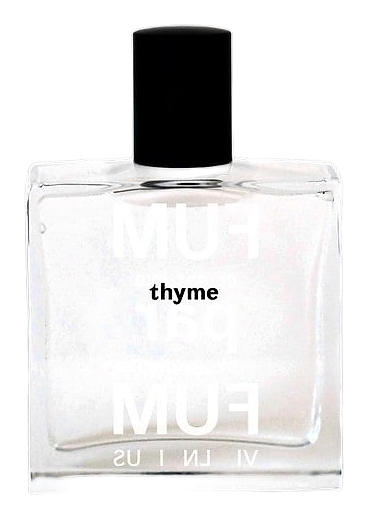
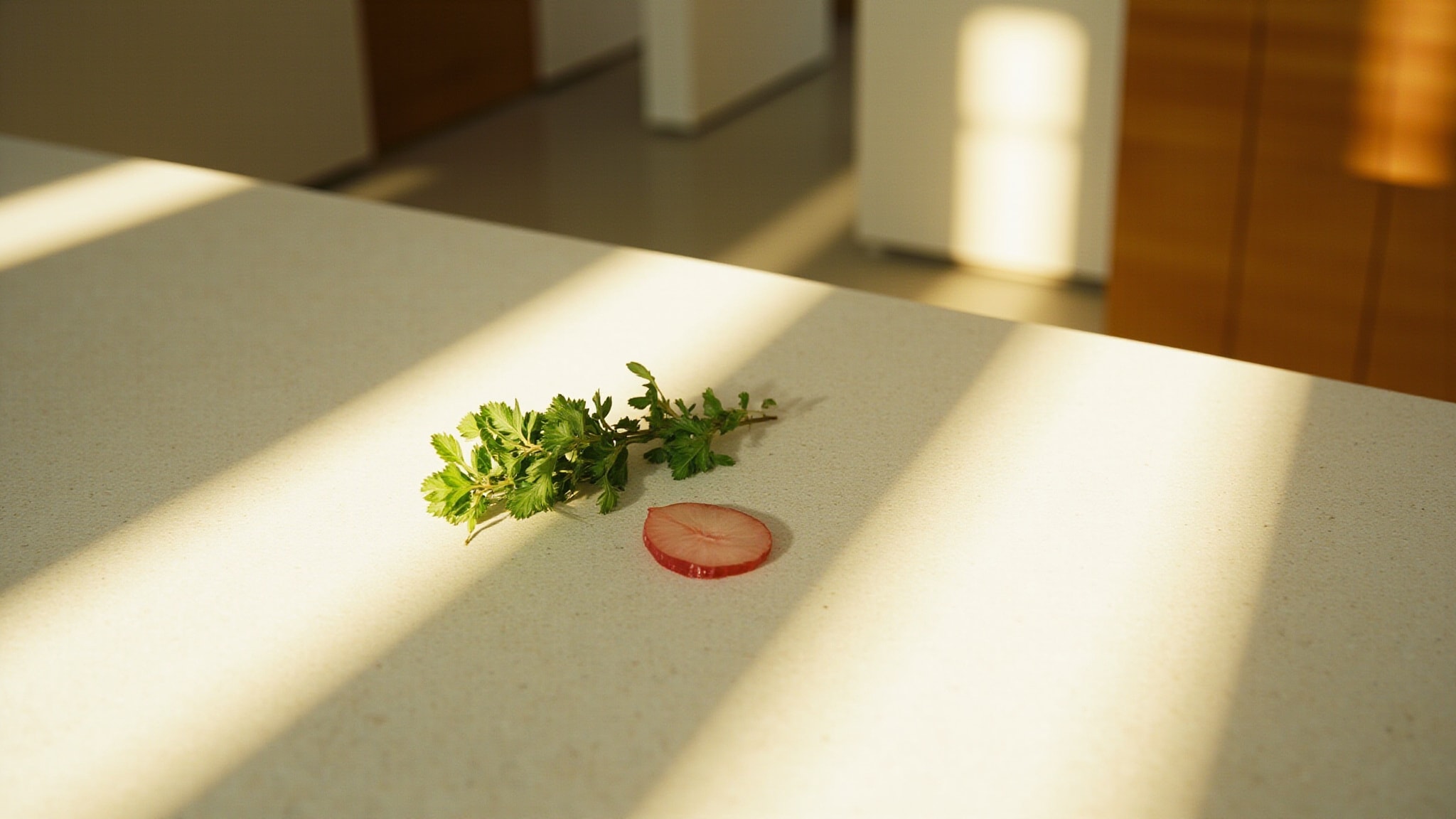
Thyme arrived in 2024, composed by perfumer Aistis Mickevičius. Its inspiration is rooted in the herb itself: delicate thyme recalling a wild meadow during a hot summer afternoon, with the chirp of grasshoppers in the distance. Mickevičius gives the name a tactile setting. Thyme becomes a character with a clear environment, earthy composure and the restless energy of insects moving through sun-warmed grass. The result is a cologne that treats freshness as something physical, not merely clean. The opening feels lively and aromatic, with citrus brightness bringing the herb forward rather than obscuring it. As the scent settles, green, woody and earthy notes create the impression of leaves, dry stems and warm ground.
What makes the composition interesting is its friction. Thyme brings an aromatic, herbal clarity, while tangerine and rhubarb introduce citrus brightness and tart edge. Cedar, patchouli and amber then anchor that opening in earth and warmth, with White Musk giving the final shape a soft, skin-close finish. Nothing here is decorative. Each material changes the pace, moving from sharp brightness toward a dry herbal pulse, then into a restrained base that feels more tactile than loud.
The evolution
The first impression is brisk and articulate. Tangerine cuts through the aromatic thyme, while rhubarb adds a tart, almost crystalline edge. As the citrus recedes, the composition reveals more of its texture: thyme turns greener and more herbaceous, cedar brings a dry linear grain, and patchouli settles earthy notes beneath it. Amber develops gradually, adding warmth without turning the cologne heavy or overtly sweet. White Musk is the quiet closer, smoothing the dry herbs and earthy base into a wearable second skin. Over time, the freshness softens, but thyme remains the clearest thread. The citrus gives way to a denser herbal heart, where the green character of thyme sits beside the dry structure of cedar. Patchouli deepens the base without becoming dominant, while amber adds a gentle warmth.
Cultural impact
Thyme places the familiar herb at the center of a vivid natural setting. Its notes evoke green leaves, warm ground and insects in summer air, while tangerine and rhubarb give the composition a bright, tart opening. Cedar, patchouli, amber and White Musk add depth as the fragrance develops, turning a simple aromatic idea into a tactile portrait. The result invites close attention to how each element changes, revealing freshness in the herbs, dryness in the woods and warmth in the base.
The House
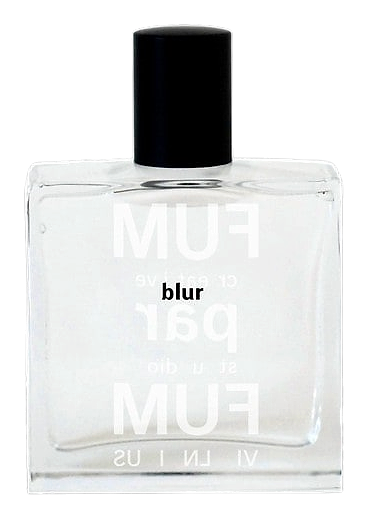
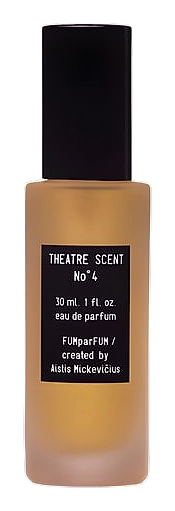
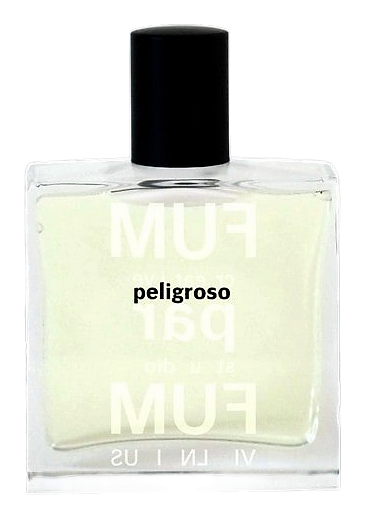
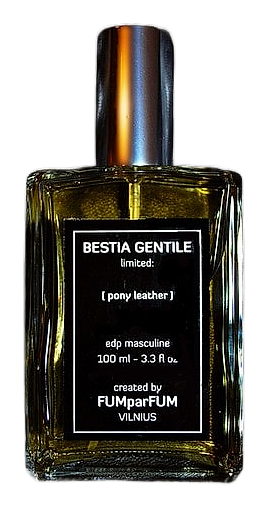
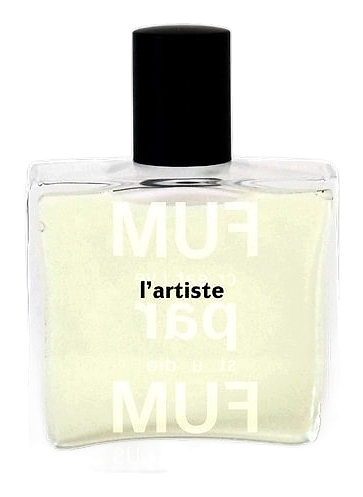
FUMparFUMFUMparFUM is a micro‑brand that lives at the intersection of performance art and olfactory craft. Founded in Vilnius, Lithuania in 2011 by actor‑turned‑perfumer Aistis Mickevičius, the house produces a handful of hand‑blended scents each year. Its catalogue reads like a personal diary, with titles such as Theatre Scent No 4 (2014), Blur (2016) and Thyme (2024). Each bottle arrives in a simple, matte‑finished container that lets the fragrance speak for itself. Though the studio now operates out of Los Angeles, the brand retains its Baltic roots, offering collectors a glimpse into a sensibility that values narrative over hype.
The Creator
Aistis MickevičiusHis technique blends classic French structure with Baltic raw materials. He often begins with a mineral or forest‑derived base, then layers bright citrus or aromatic herbs to create contrast.