
The Story
Why it exists.
The beginning
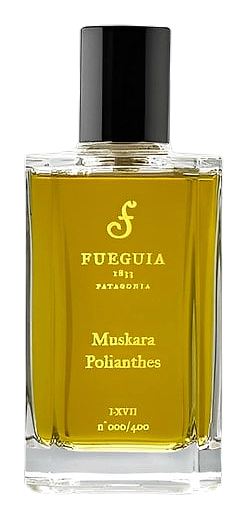
Muskara Polianthes sits inside Fueguia 1833's Muskara collection, a series built around a single obsessive thread: how a given botanical behaves when you strip away everything around it. The name itself almost gives the game away. Polianthes is the old genus for tuberose, retired by taxonomists decades ago, and Bedel kept it on purpose. This isn't a rebranded flower wearing Patagonia credentials. It's a deliberate return to the plant's first name, treated with the same field-research ethic that runs through the entire house. Julian Bedel launched the fragrance in 2017, during a period when the Muskara line was expanding fast. Each entry isolates one ingredient and lets it breathe. Muskara Polianthes narrows the lens further, skipping the usual builder notes and going almost monochrome.
What makes this composition distinctive is what isn't in it. Most tuberose-heavy fragrances shore up the flower with indolic dampeners, sweet vanillas, or coconut-cream fatty notes designed to tame its medicinal, almost rubbery edge. Muskara Polianthes refuses the scaffolding. The tuberose arrives nearly naked, and the musk underneath doesn't blunt it. It absorbs. The animalic green facets of the flower stay exposed, the way they would in a garden at dusk when the air goes heavy and the petals start to overheat. That restraint is the whole point of the exercise.
The evolution
The opening is a wall of tuberose. Not the soapy, cosmetic version. The living one: waxy, green, faintly chemical, almost like crushed stems and warm pollen. It can read as medicinal on a cold sniff, even slightly fecal to anyone who has only met the flower through perfumery's softer interpretations. That shock is part of the design. As the composition settles, the musk arrives underneath like a slow exhalation. The tuberose softens but never disappears. What changes is the texture. The flower becomes the dress; the musk becomes the skin underneath. The combination is creamy in a non-dairy way, warm rather than sweet, the kind of warmth a room gets when the afternoon sun hits the carpet. There's no sweetness to chase, no gourmand undertone pulling you toward dessert. Just two materials leaning into each other.
Cultural impact
Muskara Polianthes arrived in 2017 as part of Fueguia 1833's deliberate project to isolate single botanicals within the Muskara series, which Julian Bedel began around 2014. By stripping tuberose down to its raw, indolic character and threading musk through the heart, the fragrance challenged the prevailing 2010s trend of sweetened, gourmand-fied florals that dominated department store shelves. Collectors and niche wearers who had grown fatigued by the dessert-like direction of mainstream perfumery took notice, treating the release as a quiet counter-statement rather than a blockbuster.