The Story
Why it exists.
The beginning
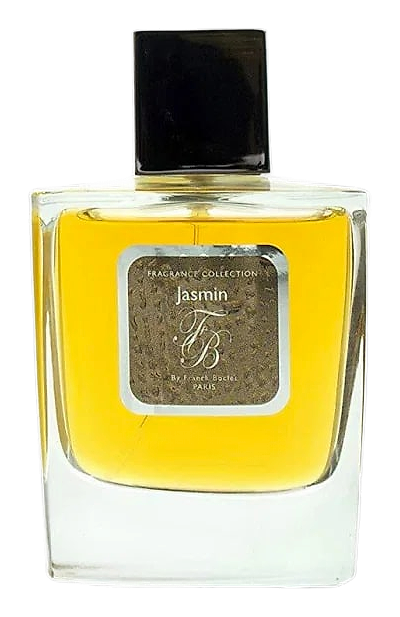
Franck Boclet named it Jasmin, and meant it literally. Released in 2016, it takes a flower most people associate with lightness and rebuilds it around weight and texture. The pink pepper and coriander open like a slap of cold air, sharp and almost savory, giving the composition a briskness that overrules the floral naming before any flower appears. The jasmine comes second, not first, arriving only after the spices have staked their claim. This sequencing matters: you get the architecture before the decoration, the bones before the skin. By the time the jasmine finally shows up, it's been invited into a room already furnished by pepper and seed, and it has to negotiate for space rather than simply take the spotlight.
What makes this composition interesting is what Boclet chose to do with a flower that's usually the star. The jasmine here shares the stage with rose, violet, and ylang-ylang, then gets grounded by animalic notes and leather. The flowers never get to behave like flowers in the conventional sense. They arrive already shadowed, already weighted down by materials that pull them toward something warmer and more textured. The animalic accord is where this composition becomes itself, lending the whole thing the quality of skin rather than soap, of something living rather than manufactured.
The evolution
The first ten minutes belong entirely to the spices. Coriander seed and pink pepper crackle across the opening, sharp and almost savory, giving the whole thing a cologne-like briskness that feels more assertive than floral. This isn't the delicate, dewy jasmine of a summer perfume. It's the jasmine of a wool coat in November, dense and slightly bitter at the edges. Around the twenty-minute mark, the florals start surfacing. Rose enters first, then jasmine, then violet and ylang-ylang filling out a heart that reads more like a bouquet wrapped in brown paper than a bridal arrangement. The flowers never fully dominate, because the base is already pulling them down. Animalic notes and leather arrive around the two-hour mark, grounding everything in warmth and musk.
Cultural impact
Jasmin sits in an unusual space among Franck Boclet's releases: a fragrance named after a flower but constructed with materials that push it far from conventional floral territory. It appeals to wearers who want jasmine without the sweetness, who prefer their florals weighted down with leather and animalic warmth rather than left light and dewy. The composition finds its audience among those drawn to heavier, more textured takes on white florals, people who think of the genre as something capable of carrying depth rather than just brightness.