The Story
Why it exists.
The beginning
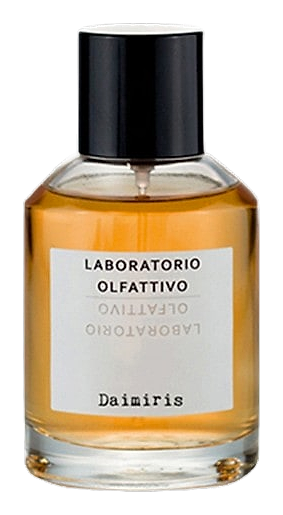
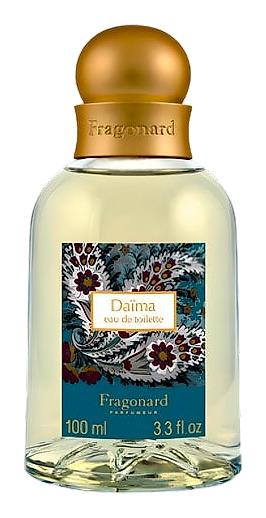
Daïma arrived in 2010 from Fragonard's classic collection, a house that has worked the fields around Grasse since 1926. The name carries weight in perfumery, it echoes the Arabic concept of judgement, of seeing clearly. Fragonard's fourth-generation perfumers built this scent as a study in contrast: cool citrus against warm gourmand sweetness, structured opening against a powdery close. It was designed for wearers who prefer depth over drama, and sweetness that doesn't shout. The result sits comfortably between playful and sophisticated, a scent that knows what it is without needing to prove it.
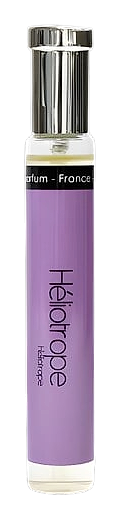
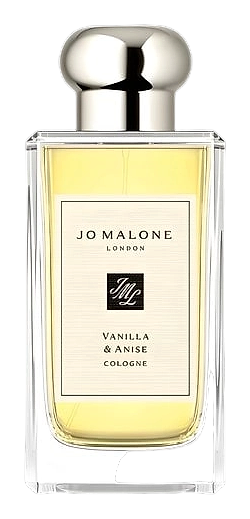
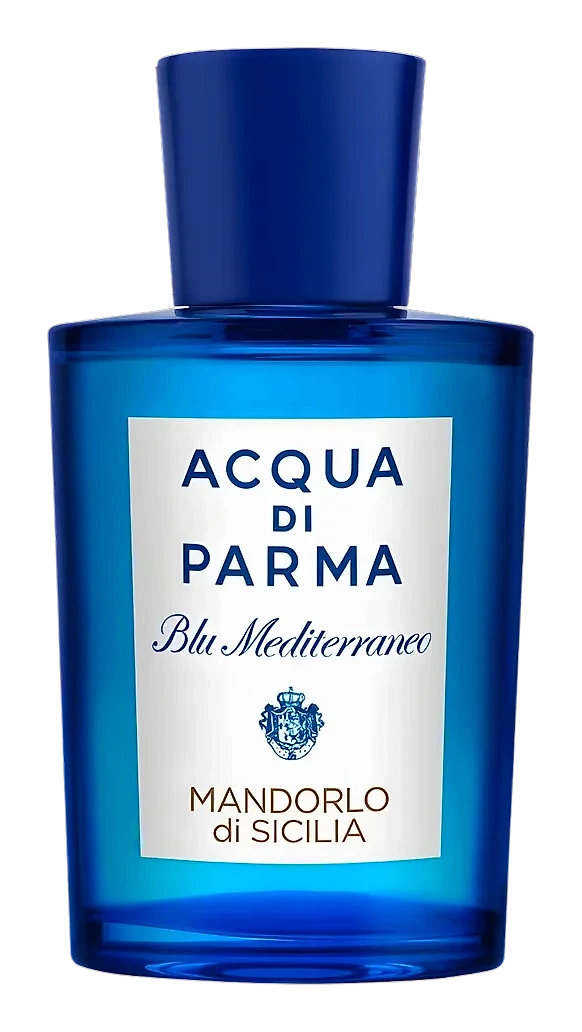
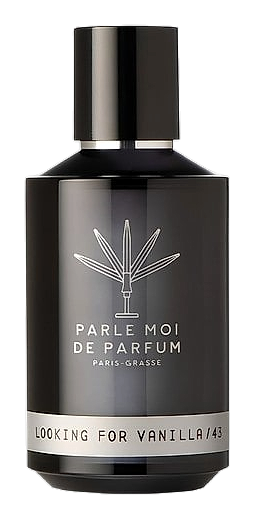
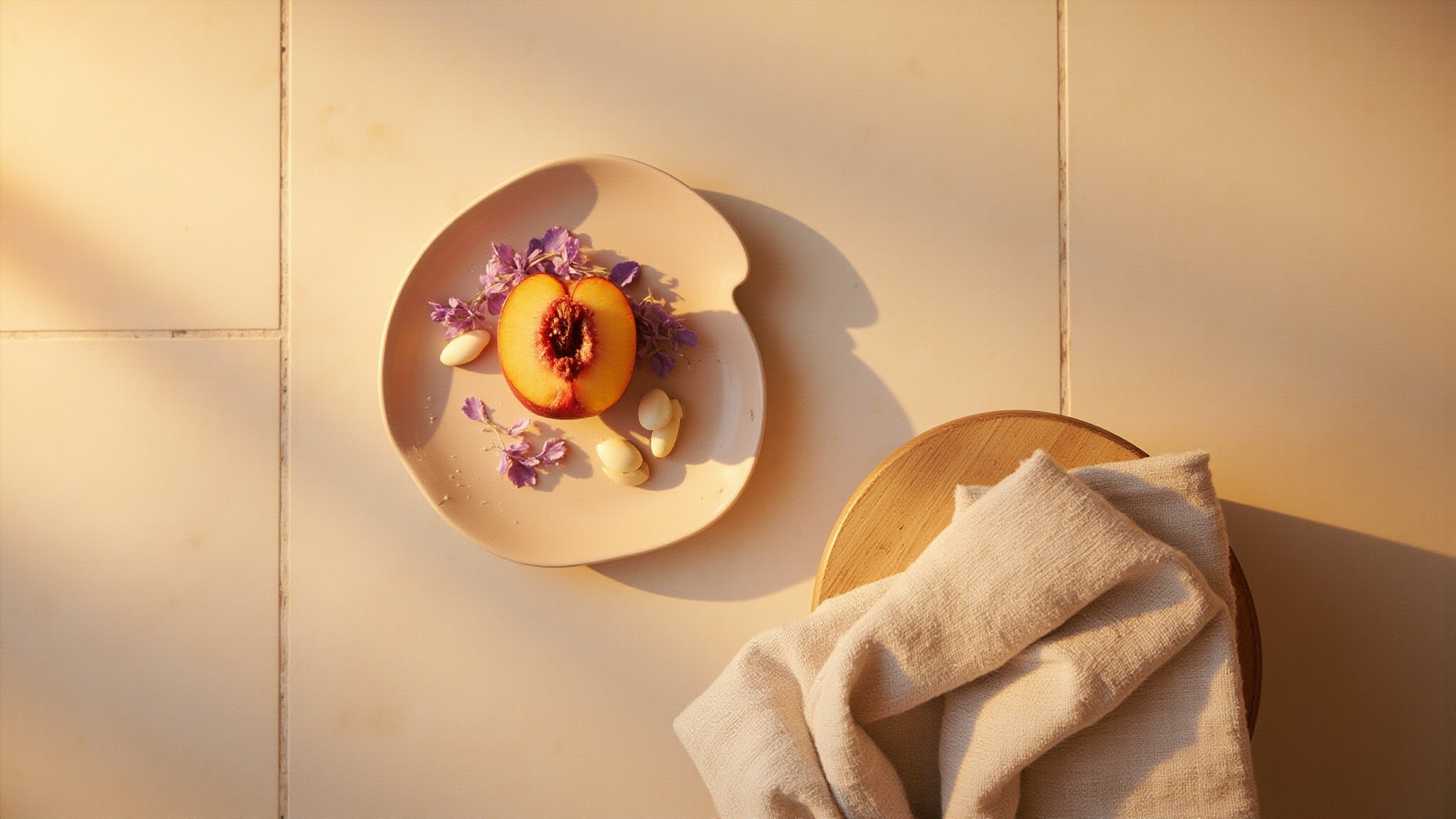
The note architecture is what makes Daïma interesting. Anise opens the composition with a clean, slightly medicinal sharpness, unexpected in a fragrance this sweet. Then almond takes over, bringing its characteristic warm, nutty sweetness that reads almost edible. Peach and gardenia soften the transition, adding a ripe, creamy floral quality that keeps the heart from feeling too heavy. The real character, though, is in the base: heliotrope and violet create a powdery signature that lingers long after the top notes fade. Sandalwood grounds everything, keeping the powder soft and warm rather than sharp or synthetic. The result is cohesive, each phase hands off to the next without jarring transitions.
The evolution
The opening hits fast: citrus and anise arrive together, the mandarin adding a sweet brightness that softens the anise before it gets too sharp. Within fifteen minutes, the almond moves in and dominates, pulling the fragrance from cool and bright into warm and sweet. The peach and gardenia ride underneath, adding ripeness and cream. By the second hour, the powdery base takes over, heliotrope and violet create that soft, talc-like quality that Fragonard does so well. The sandalwood keeps it grounded, warm, and skin-close. Six to eight hours later, on most skin types, a quiet powdery warmth remains. It doesn't project much by then, but it's there, the kind of drydown that someone notices when you lean in close.
Cultural impact
Fragonard launched Daïma in 2010 during a period when the house was expanding beyond its traditional Grasse lavender and rose heritage into broader international markets. The anise note placed it within a small but notable cohort of Western fragrances exploring liquorice and herbal accords in the late 2000s and early 2010s, a trend influenced by earlier successes in niche perfumery. Daïma's almond-heavy heart connects it to the broader gourmand movement that dominated the 2000s, but its powdery heliotrope drydown grounds it in a distinctly French feminine tradition.