
The Story
Why it exists.
The beginning
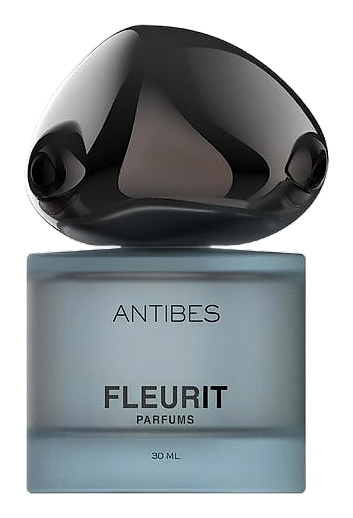
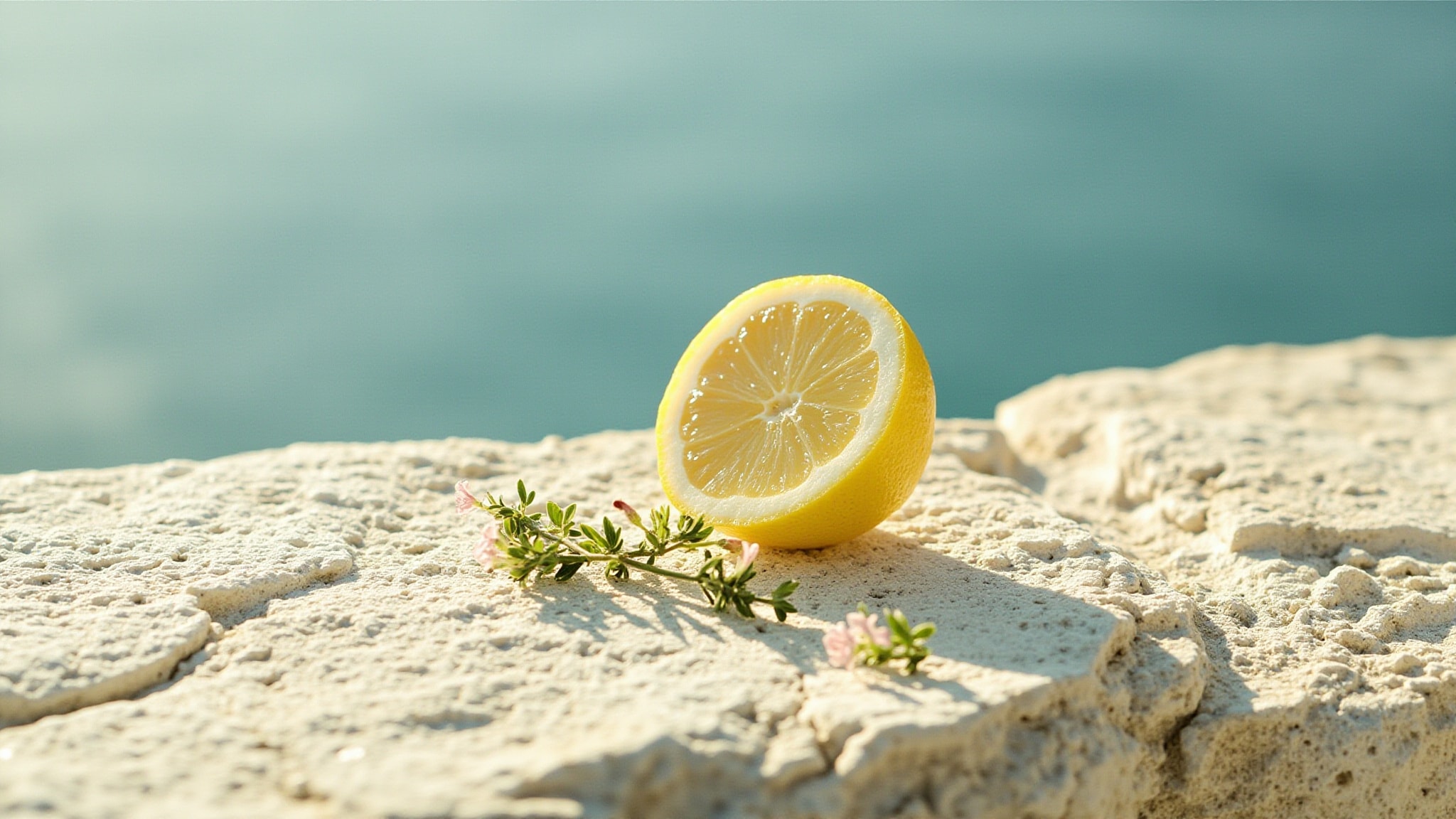
Antibes names the hillside town on the French Riviera, but the house pointedly says this is not a marine scent. It is garrigue, the wild scrub that climbs the limestone slopes above the bay, where rosemary, thyme and lavender grow wild and bake dry in the sun. Maud Chabanis wrote the formula for 2026. The name of the town carries weight of its own in perfumery, but the direction of the scent is inland, uphill and arid. Citrus, herbs and floral notes create a composition that shifts from a green opening into warmer layers, with woody elements gradually defining the base. The result is aromatic and sunlit without relying on the familiar image of sea spray and beaches, an invitation to explore the fragrance through its botanical facets.
What makes Antibes interesting is the handoff between two botanical families that usually sit far apart. Petitgrain and lemon introduce a bright citrus presence, while thyme and rosemary add a distinctly herbal dimension. Together they create an impression of sun-baked scrub rather than a fresh shower. Neroli contributes a white floral element that sits between the citrus and the herbs, while lavender brings a recognizable floral accent. The base adds another layer: sandalwood, vetiver and musk form the composition's foundation, with each note remaining distinct within the structure.
The evolution
The opening establishes the fragrance with a clear aromatic character. Petitgrain and lemon bring brightness, while thyme and rosemary give the blend an herbal edge. Lavender and Neroli weave through that combination, adding floral notes that make the citrus and herbs feel more intertwined. As the scent develops, the transition becomes gradual rather than abrupt. Neroli gives continuity between the fresh opening and the herbaceous middle, while the composition gradually leans toward its woody base. Sandalwood and vetiver add depth, followed by musk, which contributes to the final impression. The result moves from citrus and herbs into a quieter, more grounded finish, remaining recognizable without staying visually or compositionally static.
Cultural impact
Antibes is part of the house's Coastal Collection, a series connected to named locations. Its connection to the Riviera comes through the image of garrigue rather than an explicitly marine profile, inviting attention toward the inland landscape beyond the bay. The fragrance brings together petitgrain, lemon, thyme, rosemary, Neroli, lavender, sandalwood, vetiver and musk in a way that can be read as citrus aromatic, herbal green and woody.
The House
Fleurit ParfumsFleurit Parfums is an independent niche fragrance house founded by Lynn King, a New York native who now creates from Southern California. The label presents a concise catalogue of 2024 releases that explore personal memory, place, and precise composition. Each scent is framed as a quiet companion rather than a statement, inviting wearers to layer the aromas into everyday moments. The brand’s communication emphasizes individuality, quality, and a restrained aesthetic that appeals to collectors who value subtle storytelling through scent.
The Creator
Maud ChabanisMaud’s signature technique rests on contrast. She often pairs a bright, juicy fruit accord with a smoky, resinous heart, letting the two extremes dance before settling into a warm, earthy base.