The Story
Why it exists.
The beginning
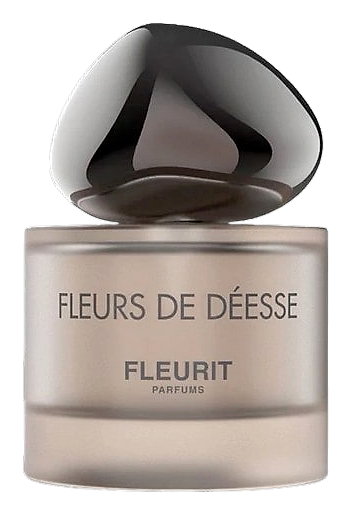
Lynn King created Fleurs de Déesse after returning home from a luxury retailer with a problem she couldn't shake. That gap sent her to her collection of discontinued perfumes, the ones she'd never been able to replace, and it clarified something: she wasn't chasing nostalgia. She was chasing precision. Working with Maud Chabanis, she built Fleurs de Déesse around a single material most perfumers sidestep entirely. Linden blossom. Almost never the headline note, but King had a theory: give linden the space it deserves, and it rewards with a honeyed warmth that nothing else quite replicates. The fragrance unfolds with a delicate interplay between sweet and green, the linden blossom revealing its golden, slightly indolic character as it settles into the skin.
Linden blossom occupies an unusual position in perfumery, beloved by those who know it, almost unknown to everyone else. That's partly because it behaves strangely. On its own, it's fleeting, sometimes vanishing within minutes of application. Most perfumers work with it as a background material, a softening agent, something that adds warmth without demanding attention. Fleurs de Déesse inverts that logic. By pairing linden blossom with orange blossom, another material that can easily overpower a composition, the perfumer created a counterweight that extends the honeyed warmth rather than amplifying it into something cloying.
The evolution
The opening hits with a clean green bite, galbanum's herbal sharpness cutting through mandarin's sweetness and a whisper of cinnamon leaf warmth. It reads bright and intentional, a brief flash of citrus before the composition shifts. The linden blossom arrives first, soft and honeyed, immediately joined by orange blossom's cleaner brightness. There's a resinous quality from elemi that adds a touch of depth without sweetness, a subtle counterweight that keeps the florals from feeling like a bouquet in a closed room. As the florals take hold, the green notes begin their gradual retreat, their herbal sharpness softening into the background. What remains is warm, powdery, and close to the skin. Cedarwood and cypriol form a woody base, but it's the musk that defines this stage, clean, intimate, almost skin-like.
Cultural impact
Fleurs de Déesse stands apart from the usual rose-and-jasmine territory with its specific focus on linden blossom, a material that brings a honeyed warmth rarely explored in contemporary perfumery. Early wearers describe it as both masculine and feminine, a word that gets overused, but fits here because the green notes and woody drydown keep the honeyed florals from reading as one thing or the other. It's the kind of fragrance that collects compliments from people standing close enough to catch the drydown rather than the sillage.